

- 1. Curious if you might be pregnant before your missed period? Discover the earliest physical and hormonal signs backed by science.
- 1. 1. Why Early Pregnancy Signs Matter
- 2. 2. What Happens in Your Body Before a Missed Period
- 3. 3. The Earliest Signs of Pregnancy Before a Missed Period
- 3.1. 1. Light Spotting (Implantation Bleeding)
- 3.2. 2. Mild Cramping
- 3.3. 3. Fatigue and Low Energy
- 3.4. 4. Heightened Sense of Smell
- 3.5. 5. Nausea or Food Aversions
- 3.6. 6. Breast Changes
- 3.7. 7. Frequent Urination
- 3.8. 8. Mood Shifts
- 3.9. 9. Bloating and Digestive Changes
- 4. 4. PMS vs Early Pregnancy Symptoms
- 5. 5. When to Take a Pregnancy Test
- 6. 6. When Symptoms May Not Be Pregnancy
- 7. 7. Final Thoughts
- 8. 8. Sources
Curious if you might be pregnant before your missed period? Discover the earliest physical and hormonal signs backed by science.
1. Why Early Pregnancy Signs Matter
Many women notice changes in their bodies long before their period is due.
Some of these signs can be subtle, others surprisingly obvious—but all are influenced by rapidly shifting hormones in the first days after conception.
While every woman’s experience is different, the symptoms below are the ones most commonly reported in medical literature and fertility clinics.
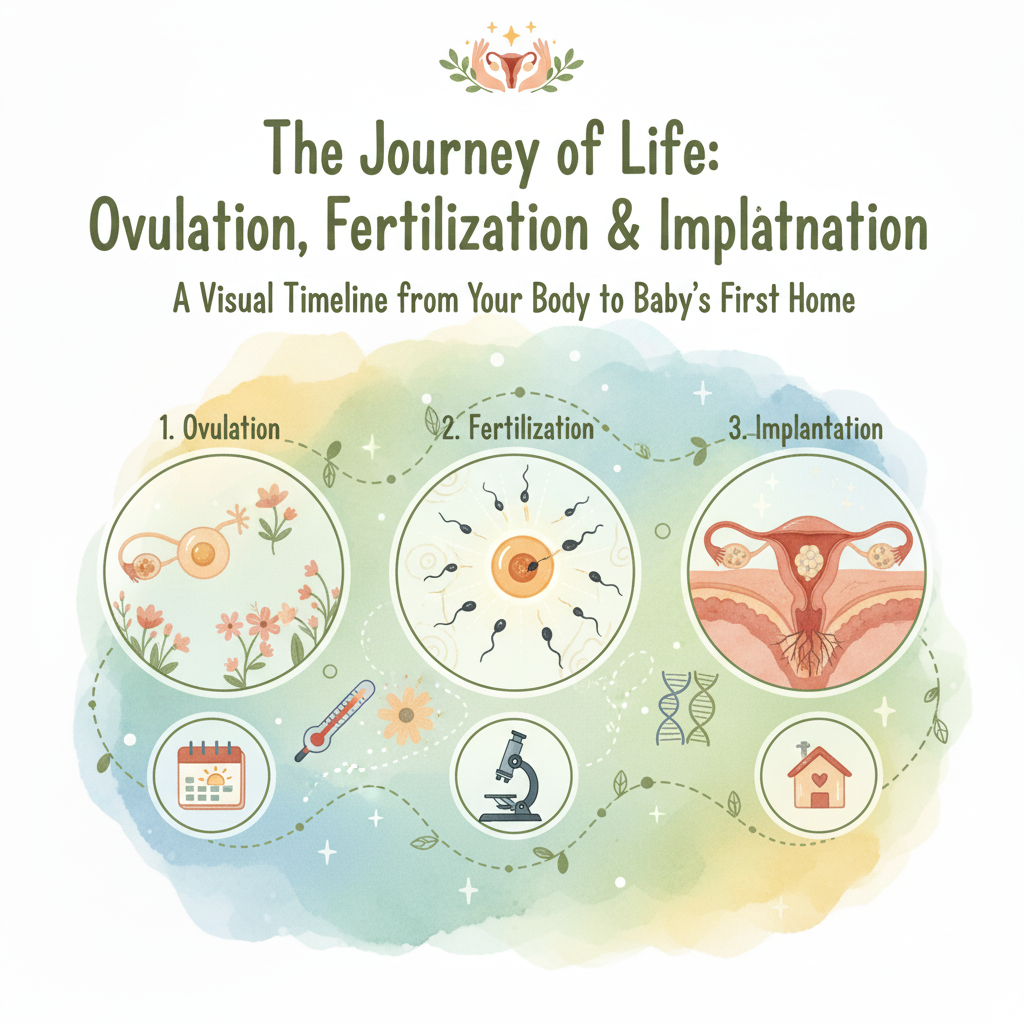
2. What Happens in Your Body Before a Missed Period
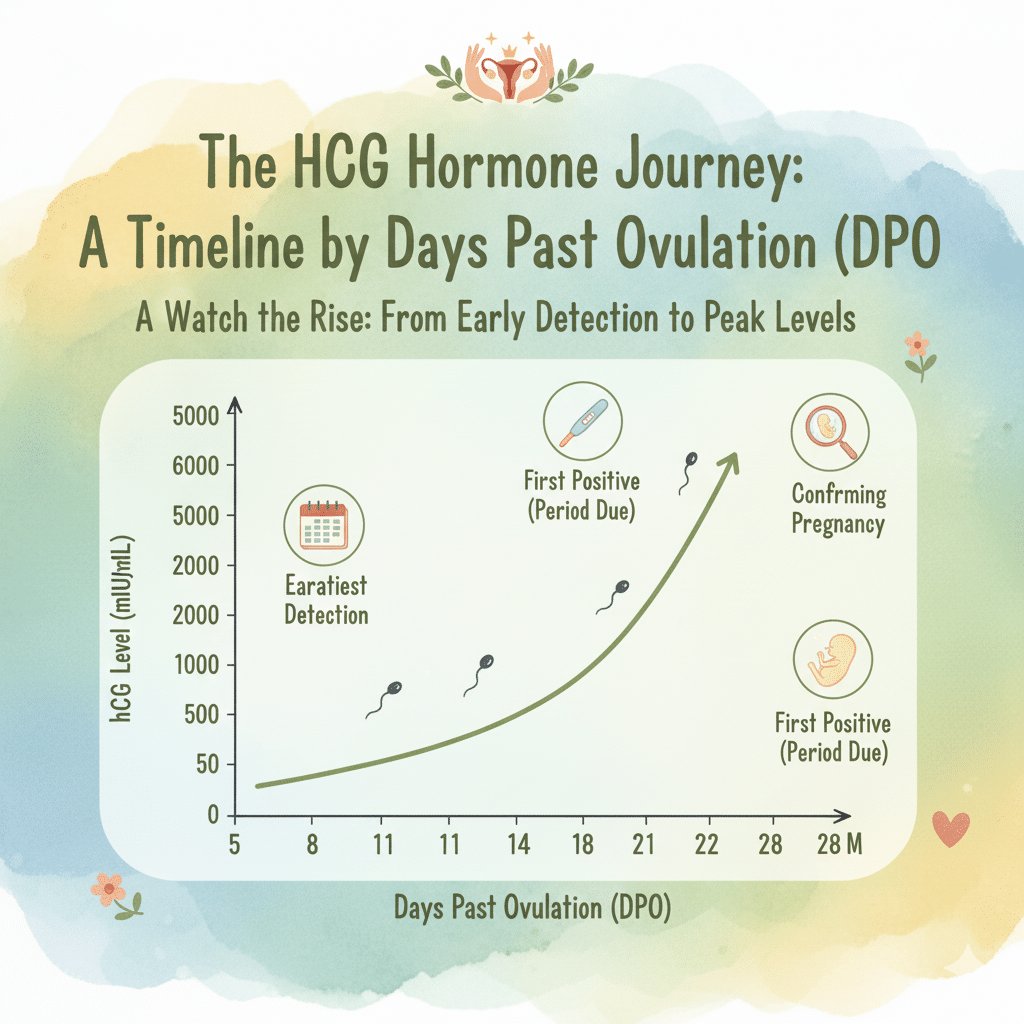
If conception occurs, your body begins releasing hCG (human chorionic gonadotropin) shortly after implantation—typically 6–12 days after ovulation.
At the same time, progesterone levels rise sharply, causing many early pregnancy symptoms before your period ever has a chance to be late.
3. The Earliest Signs of Pregnancy Before a Missed Period
Below are the early indicators most frequently reported by women and supported by medical research.
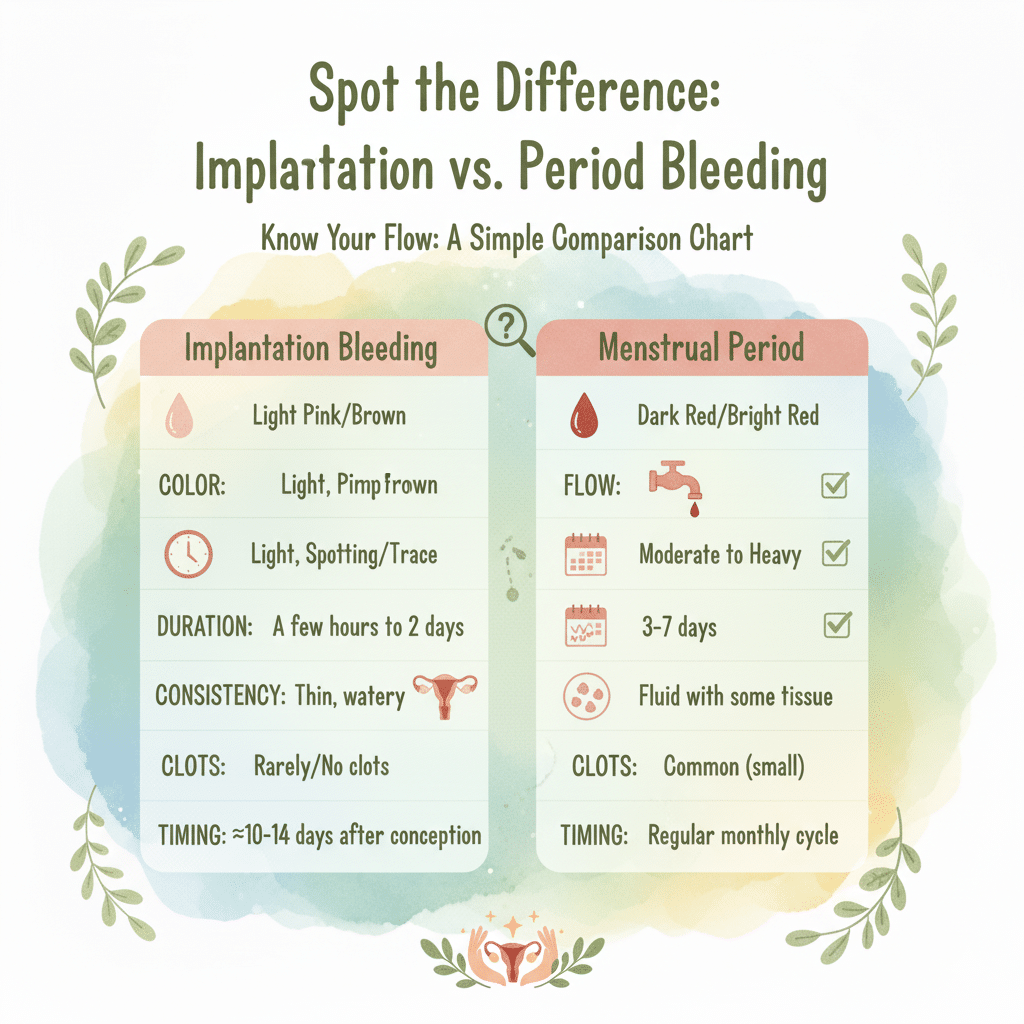
1. Light Spotting (Implantation Bleeding)
Some women experience very light spotting when the fertilized egg attaches to the uterine lining. This is known as implantation bleeding.
Characteristics:
- Light pink or brown
- Lasts a few hours to 1–2 days
- Not heavy like a normal period
2. Mild Cramping
Early pregnancy cramps can feel similar to PMS, but often:
- Are lighter
- Come and go
- Happen earlier than usual period cramps
These cramps happen as the uterus begins adjusting to early pregnancy.
3. Fatigue and Low Energy
Extreme tiredness is one of the earliest pregnancy symptoms.
Progesterone rises significantly after implantation, which can make you feel unusually exhausted—even with normal sleep.
4. Heightened Sense of Smell
Many women report a sudden sensitivity to odors:
- Perfume
- Food smells
- Coffee
- Cigarette smoke
This symptom often shows up even before nausea begins.
5. Nausea or Food Aversions
While classic morning sickness usually starts around week 6, mild nausea or sudden food dislikes can appear earlier.
These changes are linked to hCG rising soon after implantation.
6. Breast Changes
Common early breast changes include:
- Increased sensitivity
- Tingling or “fullness”
- Slight swelling
These changes can occur even a week before your expected period.
7. Frequent Urination
Even before your period is late, your body increases blood flow to the kidneys. This can lead to more frequent bathroom visits earlier than expected.
8. Mood Shifts
Shifting early pregnancy hormones can cause:
- Emotional sensitivity
- Irritability
- Tearfulness
These can feel similar to PMS—but often happen slightly earlier than usual.
9. Bloating and Digestive Changes
Progesterone slows digestion during early pregnancy, which may cause:
- Bloating
- Gas
- Mild constipation
This can appear days before your missed period.
4. PMS vs Early Pregnancy Symptoms
Some symptoms overlap:
- Breast tenderness
- Mood swings
- Bloating
- Mild cramping
But pregnancy symptoms often begin earlier and feel slightly different—especially if you’re familiar with your normal PMS pattern.
5. When to Take a Pregnancy Test
For the most accurate results, take a test:
- On the first day of your missed period, or
- 10–12 days after ovulation using an early-detection test
6. When Symptoms May Not Be Pregnancy
Early symptoms can sometimes be caused by:
- PMS
- Stress
- Hormonal fluctuations
- Thyroid changes
- Sleep deprivation
If symptoms become severe or unusual, a healthcare provider should be consulted.
7. Final Thoughts
You can notice signs of pregnancy before a missed period—but every woman’s experience is unique.
While these early symptoms can offer helpful clues, only a pregnancy test can confirm things for sure.
Listening to your body and tracking patterns over time makes the early days of the two-week wait a little less confusing.
8. Sources
Human-edited, natural-style source list:
- Mayo Clinic – Early Pregnancy Symptoms Guide
- Cleveland Clinic – Implantation Bleeding Overview
- American Pregnancy Association – hCG Levels in Early Pregnancy
- Harvard Health – Hormonal Changes During Early Pregnancy
- ACOG – Early Pregnancy and Hormonal Effects
What is your reaction to this article?

Hi, I’m Mary! I’m a women’s health educator, certified Fertility Awareness Method (FAM) instructor, and a total cycle nerd who’s been charting my own cycles for over a decade. After ditching hormonal birth control in my mid-20s and realizing how little I actually knew about my body, I dove head-first into the science of natural fertility tracking. What started as a personal experiment turned into a full-on passion: helping women reclaim their cycles, conceive confidently, or avoid pregnancy without side effects. When I’m not geeking out over cervical mucus patterns or BBT charts, you’ll find me sipping herbal tea, tending my (slightly chaotic) houseplant jungle, or walking my rescue dog with a podcast in my ears. I believe knowledge is power, and understanding your cycle is one of the kindest things you can do for yourself. Thanks for being here — let’s decode your body together! 🌿
VIEW AUTHOR PROFILE

Comments
-
Thank you for this wonderful article! As someone who scrutinizes every symptom during that “two-week wait” and is impatient, this was incredibly helpful.
The emphasis on how implantation bleeding and mild cramping can be felt earlier and lighter than typical pre-menstrual cramps was especially spot on. These symptoms are often confused with PMS, which leads to a lot of uncertainty. Your scientific explanation of how fatigue and heightened sense of smell can start so early due to the sharp rise in progesterone and hCG hormones was very reassuring.
The reminder that symptoms vary from person to person and that only a test can give a definitive result is also crucial. I realized once again how valuable it is to listen to your body and track patterns during this process.
Great job! This article is truly a roadmap for all women in hopeful anticipation!