
- 1. 1. What Actually Happens to Fertility After 30?
- 2. 2. Modern Lifestyle Factors Matter (Sometimes More Than Age)
- 3. 3. Stress Plays a Bigger Role than Most Women Realize
- 4. 4. Weight, Nutrition, and Metabolic Health Are Key at 30+
- 5. 5. Signs That Fertility May Be Slowing Down
- 6. 6. So When Should a Woman in Her 30s Seek Help?
- 7. 7. The Modern Reality: Women in Their 30s DO Get Pregnant
- 8. Doctor’s Insight
Over the past decade, more women in the United States have chosen to build their careers, finish graduate school, or establish financial stability before starting a family. As a result, starting a pregnancy journey in the early to mid-30s has become increasingly common.
But with this cultural shift comes a major question:
“Is it actually harder to get pregnant after 30?”
The short answer: Fertility does change — but not in the dramatic, fear-based way many women are told.
This guide breaks down what research really shows, while also acknowledging the lifestyle, stress patterns, and health realities of modern American women.


1. What Actually Happens to Fertility After 30?
Biologically, egg quantity begins to decline gradually in the late 20s and continues into the 30s.
But this doesn’t mean a woman in her early 30s can’t get pregnant naturally.
In fact, according to major U.S.-based reproductive organizations, a healthy woman:
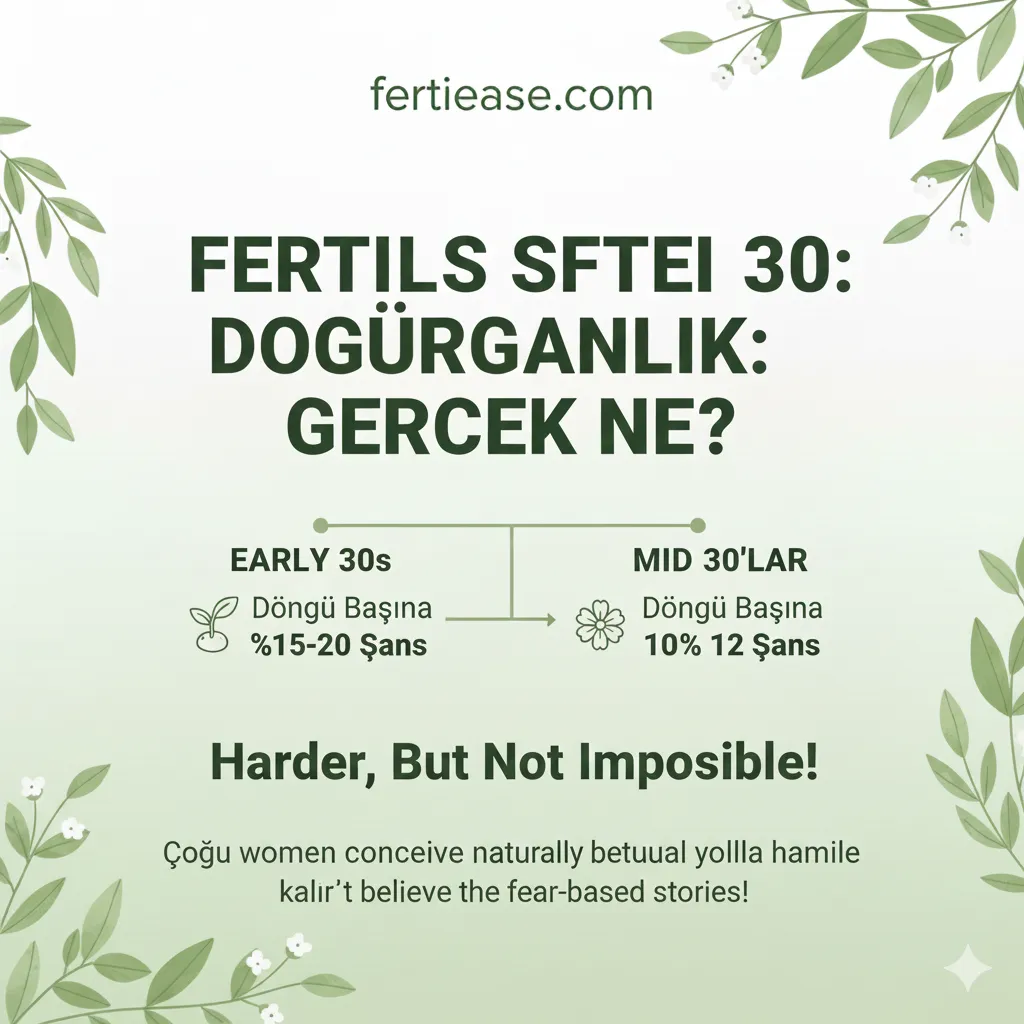
in her early 30s has about 15–20% chance of conceiving each cycle
in her mid-30s has roughly 10–12% chance per cycle
in her late 30s still has meaningful chances, though the decline becomes more pronounced
So yes — it’s somewhat harder, but far from impossible.
Many women conceive naturally between 30–38 without any intervention.
2. Modern Lifestyle Factors Matter (Sometimes More Than Age)
American women today juggle:
high-pressure jobs
inconsistent sleep
chronic stress
intensive screen time
long commutes
irregular eating patterns
limited daylight exposure
frequent caffeine use
All these have real biological impact on hormones, ovulation, inflammation, and metabolic health.
For some women, the lifestyle load, not the birthday, becomes the bigger barrier.

3. Stress Plays a Bigger Role than Most Women Realize
Studies show women in their 30s often experience heavier stress than during their 20s — career transitions, financial responsibilities, and relationship pressures all converge.
Chronic stress can:
disrupt ovulation
shorten or lengthen cycles
impact egg maturation
reduce libido
elevate cortisol, which interferes with reproductive hormones
This is one reason U.S. fertility clinics increasingly look at stress markers during evaluations.

4. Weight, Nutrition, and Metabolic Health Are Key at 30+
American nutrition trends — skipping breakfast, high sugar intake, processed foods — contribute to:
insulin resistance
inflammation
hormonal imbalance
irregular ovulation
A woman in her 30s with stable metabolic health may have better fertility than a woman in her 20s with poor metabolic function.
It’s not just about age.
It’s about the environment your body operates in.

5. Signs That Fertility May Be Slowing Down
Not every woman feels changes — but some subtle shifts include:
shorter cycles
lighter or unpredictable periods
reduced cervical mucus
lower libido
more noticeable PMS
increased fatigue
difficulty maintaining weight
These don’t confirm a problem — but they can be early signals worth monitoring.

6. So When Should a Woman in Her 30s Seek Help?
Here’s the clinical guidance used in U.S. reproductive medicine:
Under 35: seek evaluation after 12 months of trying
35 and older: seek evaluation after 6 months
Any age: seek evaluation immediately if cycles are irregular, very painful, or absent
Early evaluation does not mean you’re committing to treatment — it’s simply information, much like a routine health screening.

7. The Modern Reality: Women in Their 30s DO Get Pregnant
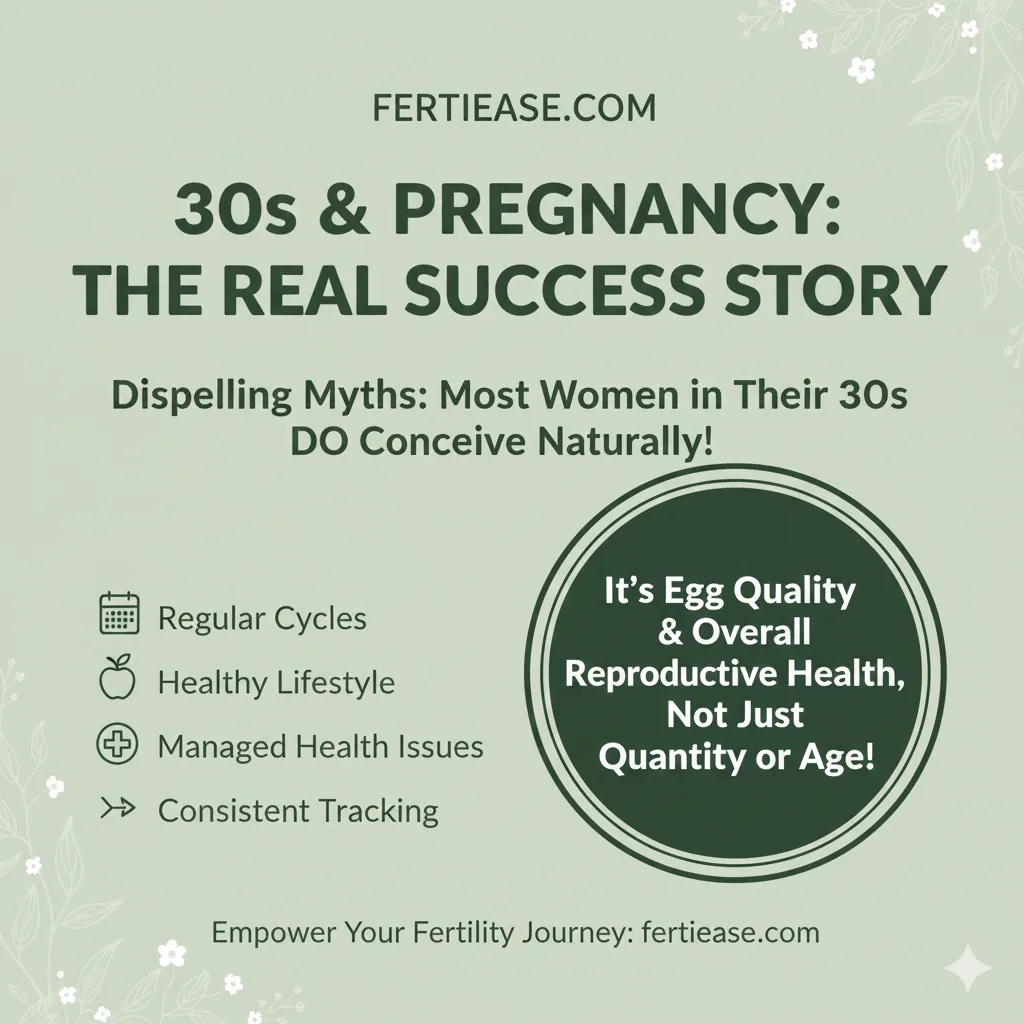
Despite the fear-driven narratives circulating online, most women in their 30s conceive naturally, especially if:
cycles are regular
lifestyle is relatively healthy
underlying medical issues are managed
timing and ovulation tracking are consistent
Egg quantity declines with age — but it’s egg quality and overall reproductive health that determine real-world fertility outcomes.
Doctor’s Insight
“Age affects fertility, yes. But I’ve seen women with excellent ovarian function at 36 and women with low reserve at 28. The real key is understanding your individual profile rather than relying solely on age charts.”
— Dr. Melissa Grant, MD – Reproductive Endocrinology
What is your reaction to this article?

Penelope Smith is a certified fertility wellness coach and passionate advocate for natural conception with over 8 years of experience guiding couples on their TTC journeys. Drawing from her background in holistic nutrition and reproductive health counseling, she empowers women and men through evidence-based strategies, compassionate support, and practical lifestyle insights. A mother of two conceived naturally after her own fertility challenges, Penelope blends science, empathy, and real-world results in her writing. Her articles have helped thousands optimize ovulation, balance hormones, and embrace the emotional side of trying to conceive. Connect with her at hello@fertiease.com
VIEW AUTHOR PROFILE