
- 1. 1. A Predictable Menstrual Cycle (Typically 24–35 Days)
- 2. 2. Clear Changes in Cervical Mucus (Egg-White Phase)
- 3. 3. A Noticeable LH Surge (Ovulation Test Positive)
- 4. 4. Mild Mid-Cycle Cramping or “Ovulation Pain” (Mittelschmerz)
- 5. 5. A Clear Rise in Basal Body Temperature (BBT)
- 6. 6. Increased Libido and Energy
- 7. 7. Breast Sensitivity in the Luteal Phase
- 8. 8. Consistent Premenstrual Symptoms (Predictable Luteal Phase)
- 9. What Healthy Ovulation Should NOT Look Like
- 10. When to Seek Medical Advice
- 11. Doctor’s Insight
Ovulation is the central event of the menstrual cycle — the moment when a mature egg is released and becomes available for fertilization. Although many women ovulate regularly, few truly know what healthy ovulation looks like. Understanding these signs not only helps with conception but also offers important insight into your overall reproductive health.
This guide explains the clinically recognized signs of a healthy ovulation, what’s normal, what’s not, and when it might be time to seek medical advice.
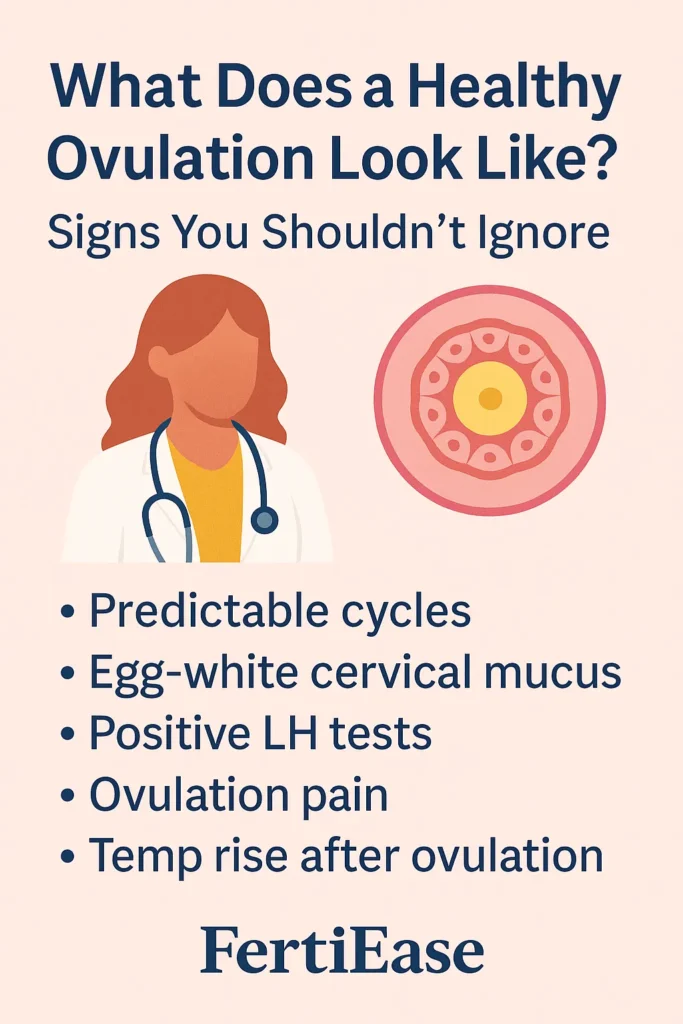

1. A Predictable Menstrual Cycle (Typically 24–35 Days)
Healthy ovulation relies on a stable menstrual rhythm.
Cycles shorter than 24 days or longer than 35 days may indicate inconsistent or absent ovulation.
Most women with healthy ovulation notice:
similar cycle length each month
predictable PMS patterns
a clear mid-cycle shift in symptoms
A predictable cycle suggests that hormones — particularly estrogen, FSH, LH, and progesterone — are functioning in balance.

2. Clear Changes in Cervical Mucus (Egg-White Phase)
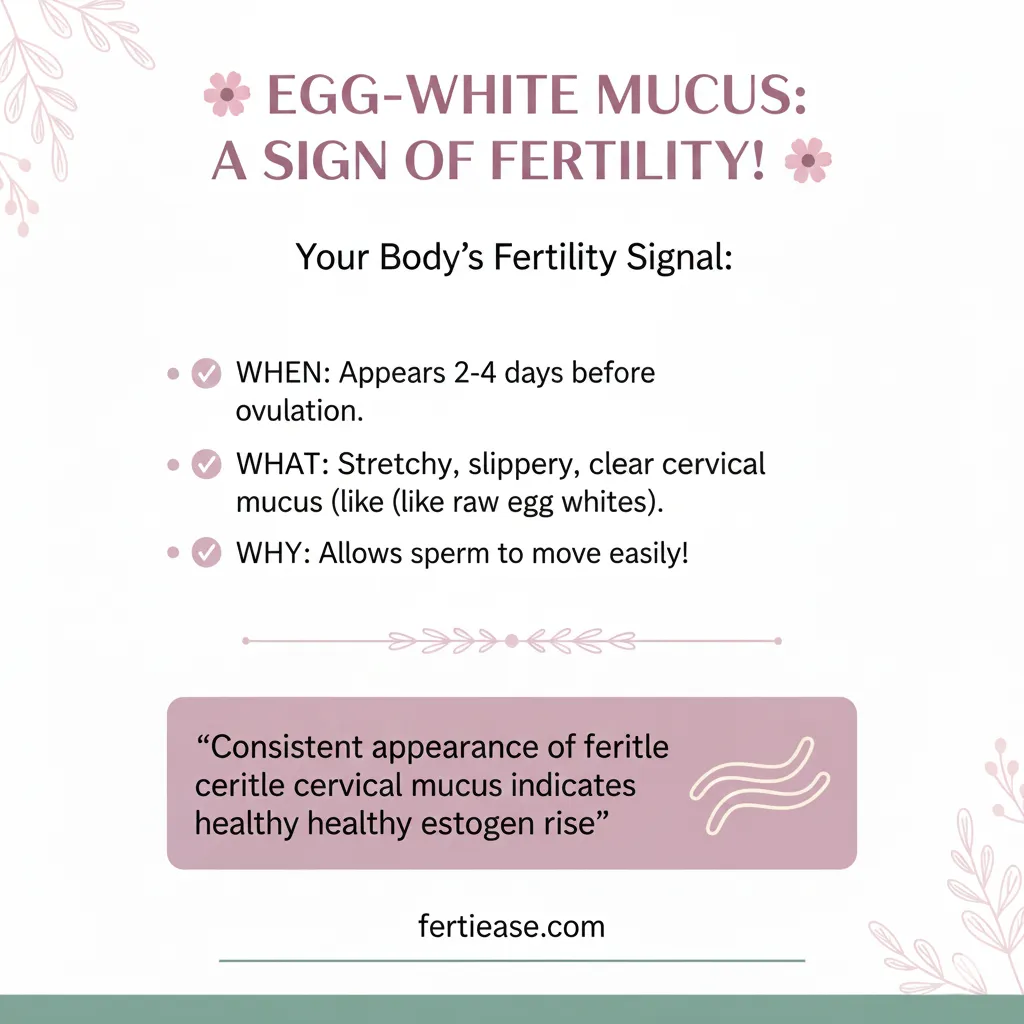
One of the most reliable signs of ovulation is the appearance of stretchy, slippery, clear cervical mucus — often compared to raw egg whites.
This type of mucus:
appears 2–4 days before ovulation
becomes more slippery and abundant
stretches between your fingers
allows sperm to move easily
If fertile cervical mucus appears consistently, it’s a strong indicator that estrogen is rising as expected.
3. A Noticeable LH Surge (Ovulation Test Positive)
Ovulation predictor kits measure luteinizing hormone (LH), which spikes 24–36 hours before ovulation.
A healthy ovulatory cycle typically shows:
a clear, strong positive
predictable timing month after month
surge lasting 12–24 hours
If your LH tests fluctuate wildly or never peak, ovulation may be irregular.

4. Mild Mid-Cycle Cramping or “Ovulation Pain” (Mittelschmerz)
Not all women feel it, but many notice:
a light twinge
pelvic pressure
mild one-sided cramping
This can last anywhere from a few minutes to a few hours.
It’s caused by the ovary releasing the mature egg.
Severe or debilitating pain is never normal and should be evaluated medically.

5. A Clear Rise in Basal Body Temperature (BBT)
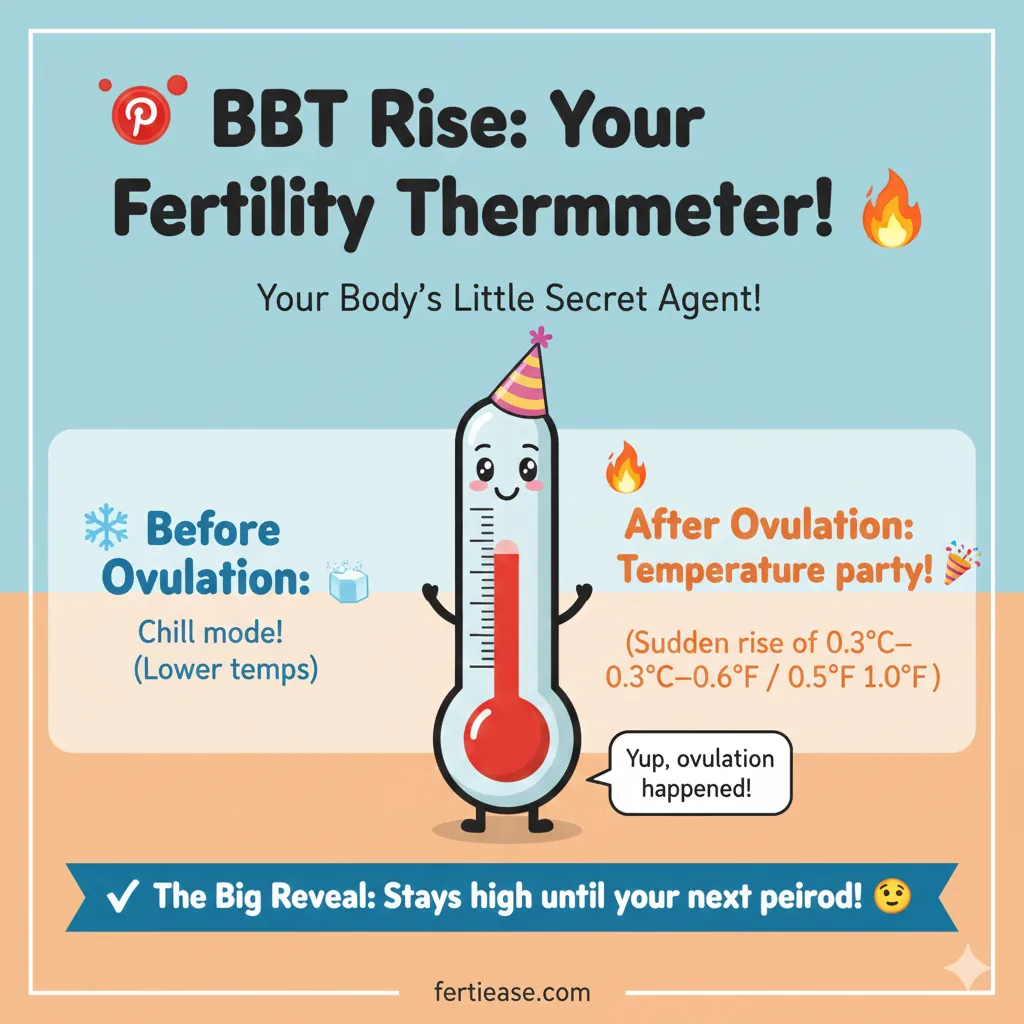
Healthy ovulation causes progesterone to rise, which gently increases body temperature.
A reliable pattern includes:
lower temperatures before ovulation
sudden rise of 0.3°C–0.6°C (0.5°F–1.0°F)
temperatures staying high until your next period
This sustained rise is one of the strongest signs that ovulation did occur.
6. Increased Libido and Energy
Around ovulation, many women feel:
boosted sexual desire
slight energy increase
improved mood
increased confidence
These changes occur naturally as estrogen peaks and testosterone rises slightly mid-cycle.
If libido drops sharply each month, it may indicate hormonal disruptions.

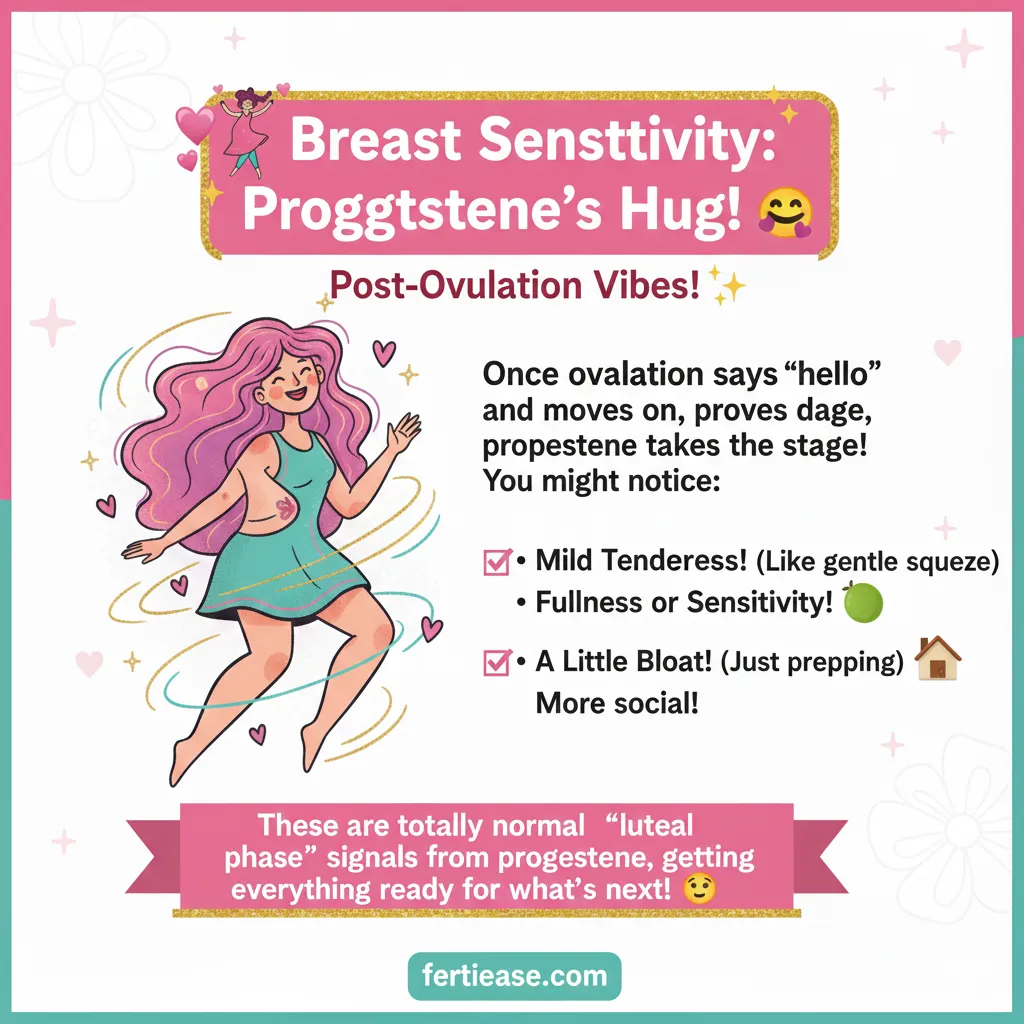
7. Breast Sensitivity in the Luteal Phase
After ovulation, progesterone rises — this is normal and expected.
Healthy ovulation may cause:
mild breast tenderness
fullness or sensitivity
slight bloating
These are typical luteal-phase symptoms caused by progesterone priming the uterine lining.
8. Consistent Premenstrual Symptoms (Predictable Luteal Phase)
A healthy cycle has a predictable luteal phase (the period between ovulation and your next period), usually 12–14 days.
Signs include:
mild mood changes
subtle bloating
increased appetite
warmth due to progesterone
A very short luteal phase (less than 9–10 days) may signal progesterone deficiency.

What Healthy Ovulation Should NOT Look Like
If you consistently experience these symptoms, ovulation may not be functioning normally:
cycles longer than 35 days or shorter than 24
no fertile cervical mucus
irregular or absent LH surges
extremely heavy or very light periods
unpredictable bleeding
intense pelvic pain
luteal phase shorter than 10 days
These patterns may signal PCOS, thyroid imbalances, stress, or low ovarian reserve.

When to Seek Medical Advice
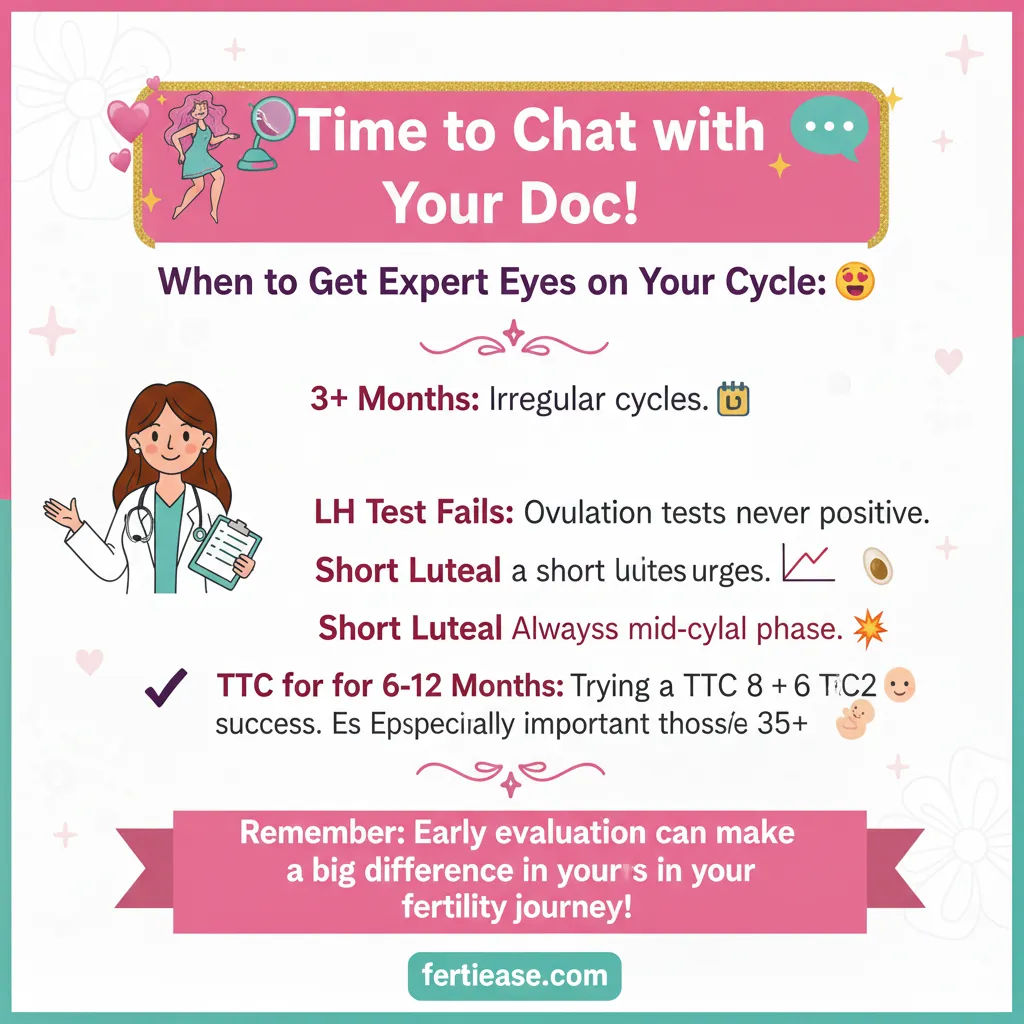
You should consider seeing a healthcare professional if:
your cycles are irregular for 3+ months
ovulation tests never turn positive
your luteal phase is always short
you experience intense mid-cycle pain
you’ve been trying to conceive for 6–12 months without success
you’re over 35 and trying for 6 months
Early evaluation can prevent delays in fertility planning.
Doctor’s Insight
“Healthy ovulation is not just about the release of an egg. It reflects a coordinated symphony of hormones, metabolic stability, and ovarian responsiveness. When any part of that rhythm shifts, the signs of ovulation often change long before fertility issues appear.”
— Dr. Elena Brooks, Reproductive Endocrinology
What is your reaction to this article?

Penelope Smith is a certified fertility wellness coach and passionate advocate for natural conception with over 8 years of experience guiding couples on their TTC journeys. Drawing from her background in holistic nutrition and reproductive health counseling, she empowers women and men through evidence-based strategies, compassionate support, and practical lifestyle insights. A mother of two conceived naturally after her own fertility challenges, Penelope blends science, empathy, and real-world results in her writing. Her articles have helped thousands optimize ovulation, balance hormones, and embrace the emotional side of trying to conceive. Connect with her at hello@fertiease.com
VIEW AUTHOR PROFILE