
- 1. 🌱 What Does a Healthy and Fit Pregnancy Really Mean?
- 2. 💪 9 Powerful Rules for a Healthy and Fit Pregnancy
- 2.1. 1. Focus on Strength, Not Weight
- 2.2. 2. Stay Active With Pregnancy-Safe Exercises
- 2.3. 3. Prioritize Core and Pelvic Floor Health
- 2.4. 4. Eat to Nourish, Not to Restrict
- 2.5. 5. Stay Hydrated and Support Digestion
- 2.6. 6. Manage Stress as Seriously as Exercise
- 2.7. 7. Get Enough Rest and Quality Sleep
- 2.8. 8. Adjust Fitness by Trimester
- 2.9. 9. Ditch Comparison and Social Media Pressure
- 3. 🤰 Benefits of Staying Fit During Pregnancy
- 4. 🔍 When to Avoid Exercise During Pregnancy
- 5. 📌 Related Article
- 6. ✅ Final Thoughts
Many women wonder how to maintain a healthy and fit pregnancy without harming their baby or their own body. Pregnancy is not an illness—it’s a natural, powerful process that your body is designed for. With the right habits, mindset, and balance, it’s absolutely possible to stay strong, active, and healthy throughout all three trimesters.
In fact, women who prioritize physical and mental wellness during pregnancy often experience:
Easier labor
Better mood stability
Faster postpartum recovery
Reduced pregnancy complications
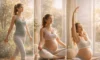
In this guide, you’ll learn 9 powerful, science-backed rules for having a healthy and fit pregnancy—without extremes, guilt, or unrealistic expectations.

How To Have A Healthy And Fit Pregnancy 9 Powerful Rules Every Woman Should Know 2 Fertiease
🌱 What Does a Healthy and Fit Pregnancy Really Mean?
A healthy and fit pregnancy does not mean:
Trying to lose weight
Pushing your body to exhaustion
Chasing a “perfect” body
Instead, it means:
Supporting your changing body
Staying active in safe ways
Nourishing yourself and your baby
Protecting both physical and mental health
Fitness during pregnancy is about strength, flexibility, circulation, and balance—not aesthetics.
💪 9 Powerful Rules for a Healthy and Fit Pregnancy
1. Focus on Strength, Not Weight
Weight gain during pregnancy is normal and necessary. The goal is not to avoid it—but to gain weight in a healthy, controlled way.
Healthy weight gain supports:
Baby’s growth
Hormone balance
Energy levels
Reduced pregnancy complications
Tracking habits is far more important than tracking the scale.
2. Stay Active With Pregnancy-Safe Exercises
Unless advised otherwise by your doctor, exercise during pregnancy is highly beneficial.
Safe and effective options include:
Walking
Prenatal yoga
Swimming
Light strength training
Pilates (pregnancy-adapted)
Aim for 20–30 minutes most days, listening closely to your body.
🔗 External reference:
https://www.acog.org (American College of Obstetricians and Gynecologists)
3. Prioritize Core and Pelvic Floor Health
A strong core during pregnancy is not about visible abs—it’s about support.
Benefits of pelvic floor and deep core work:
Reduced back pain
Better posture
Easier labor
Faster postpartum recovery
Kegel exercises and gentle core engagement are key throughout pregnancy.
4. Eat to Nourish, Not to Restrict
A healthy and fit pregnancy requires adequate nutrition, not restriction.
Focus on:
Lean proteins
Healthy fats
Whole grains
Fruits and vegetables
Iron- and calcium-rich foods
Skipping meals or dieting during pregnancy can harm both mother and baby.
🔗 External reference:
5. Stay Hydrated and Support Digestion
Hydration plays a critical role in pregnancy fitness.
Drinking enough water helps:
Reduce bloating and constipation
Support circulation
Prevent fatigue
Regulate body temperature
Pair hydration with fiber-rich foods to support digestion and comfort.
6. Manage Stress as Seriously as Exercise
Mental health is a core part of a healthy pregnancy.
High stress levels can:
Increase fatigue
Disrupt sleep
Affect hormone balance
Impact overall pregnancy experience
Effective stress-reduction strategies include:
Deep breathing
Gentle stretching
Journaling
Mindful walks
Reducing unnecessary pressure
7. Get Enough Rest and Quality Sleep
Rest is not laziness—it’s biological necessity during pregnancy.
Your body is:
Growing a placenta
Increasing blood volume
Supporting fetal development
Prioritize:
Regular sleep routines
Short naps when needed
Comfortable sleep positions
Fitness improves when recovery is respected.
8. Adjust Fitness by Trimester
Each trimester brings different physical demands.
First trimester:
Focus on rest and gentle movement
Second trimester:
Ideal time for strength and stamina
Third trimester:
Emphasize mobility, breathing, and relaxation
Adapting your routine keeps your pregnancy safe and sustainable.
9. Ditch Comparison and Social Media Pressure
Every pregnancy body is different.
Comparing yourself to:
Influencers
Celebrities
Other pregnancies
can damage confidence and mental health.
A healthy and fit pregnancy looks different on every woman—and that’s exactly how it should be.
🤰 Benefits of Staying Fit During Pregnancy
Women who maintain healthy movement and nutrition during pregnancy often experience:
Lower risk of gestational diabetes
Reduced back and joint pain
Improved mood
Shorter labor duration
Faster postpartum recovery
Fitness supports both mother and baby—physically and emotionally.

How To Have A Healthy And Fit Pregnancy 9 Powerful Rules Every Woman Should Know 3 Fertiease
🔍 When to Avoid Exercise During Pregnancy
Always consult your healthcare provider if you experience:
Severe dizziness
Vaginal bleeding
Strong abdominal pain
Shortness of breath
Medical pregnancy complications
Safety always comes first.
📌 Related Article
👉 [Can You Be Pregnant and Have No Symptoms? 7 Powerful Truths You Must Know]
✅ Final Thoughts
A healthy and fit pregnancy is not about perfection—it’s about balance, awareness, and self-respect. By moving gently, eating mindfully, managing stress, and honoring your body’s changes, you give both yourself and your baby the best possible foundation.
Strength during pregnancy isn’t measured by appearance—but by how supported, calm, and resilient you feel.
What is your reaction to this article?

Here is a professional English bio for Dr. Elizabeth Williams, Obstetrician-Gynecologist: Dr. Elizabeth Williams, MD, FACOG, is a board-certified obstetrician-gynecologist with over 15 years of experience providing compassionate, evidence-based women’s healthcare. She earned her medical degree from Johns Hopkins University School of Medicine and completed her residency in Obstetrics and Gynecology at Massachusetts General Hospital, Harvard Medical School, where she served as Chief Resident. Dr. Williams specializes in high-risk pregnancies, minimally invasive gynecologic surgery, adolescent gynecology, and menopause management. Known for her warm bedside manner and clear communication, she is dedicated to empowering her patients through every stage of life, from prenatal care and childbirth to preventive wellness and complex gynecologic conditions. In addition to her clinical practice, Dr. Williams is actively involved in medical education and has published research on preeclampsia, labor induction, and robotic-assisted surgery. She is a Fellow of the American College of Obstetricians and Gynecologists (FACOG) and a member of the Society for Maternal-Fetal Medicine. Patients describe Dr. Williams as “attentive, knowledgeable, and truly caring,” and she is proud to deliver hundreds of babies each year while building long-term relationships with the families she serves. Dr. Williams practices in [City/State] and is affiliated with [Hospital Name]. She welcomes new patients and offers both in-person and telemedicine appointments.
VIEW AUTHOR PROFILE