
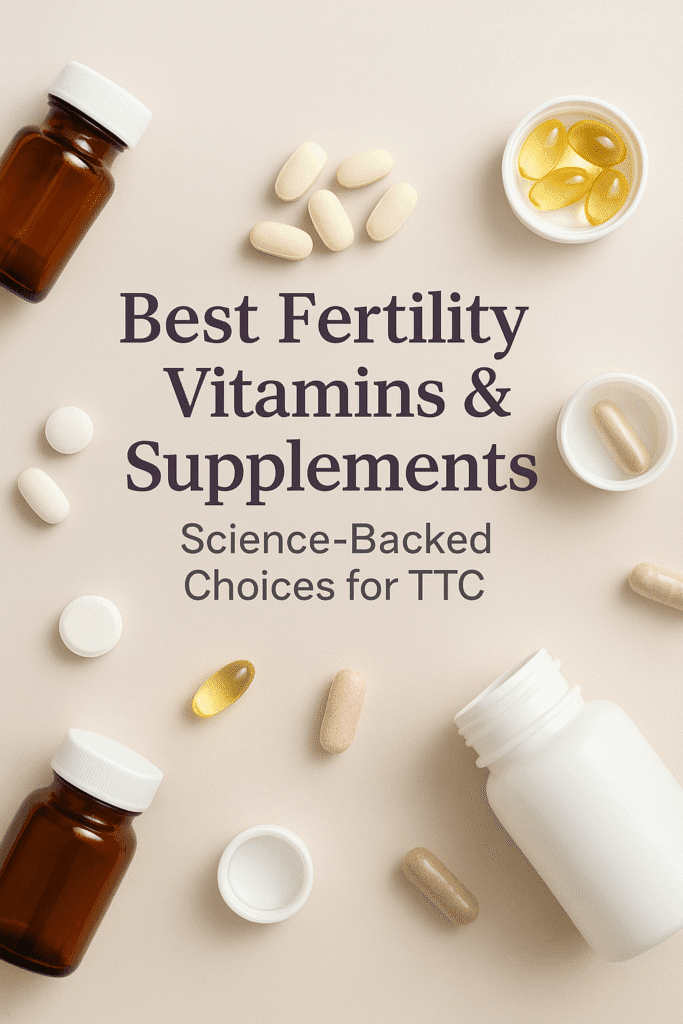
Trying to conceive can feel overwhelming, especially when you start exploring which vitamins or supplements might actually support fertility. The good news? Research shows that certain nutrients can play a meaningful role in reproductive health, hormonal balance, and egg quality. Below is a clear, science-backed breakdown of the most important fertility supplements for women who are trying to conceive.
- 1. 1. Folic Acid (Folate): The Non-Negotiable Start
- 2. 2. Vitamin D: Often Low, Always Important
- 3. 3. Omega-3 Fatty Acids (DHA & EPA): Anti-Inflammatory Support
- 4. 4. CoQ10: Egg Quality & Mitochondrial Support
- 5. 5. Iron: Only If You’re Deficient
- 6. 6. Prenatal Multivitamin: A Complete Backup Plan
- 7. 7. What About Herbal Supplements?
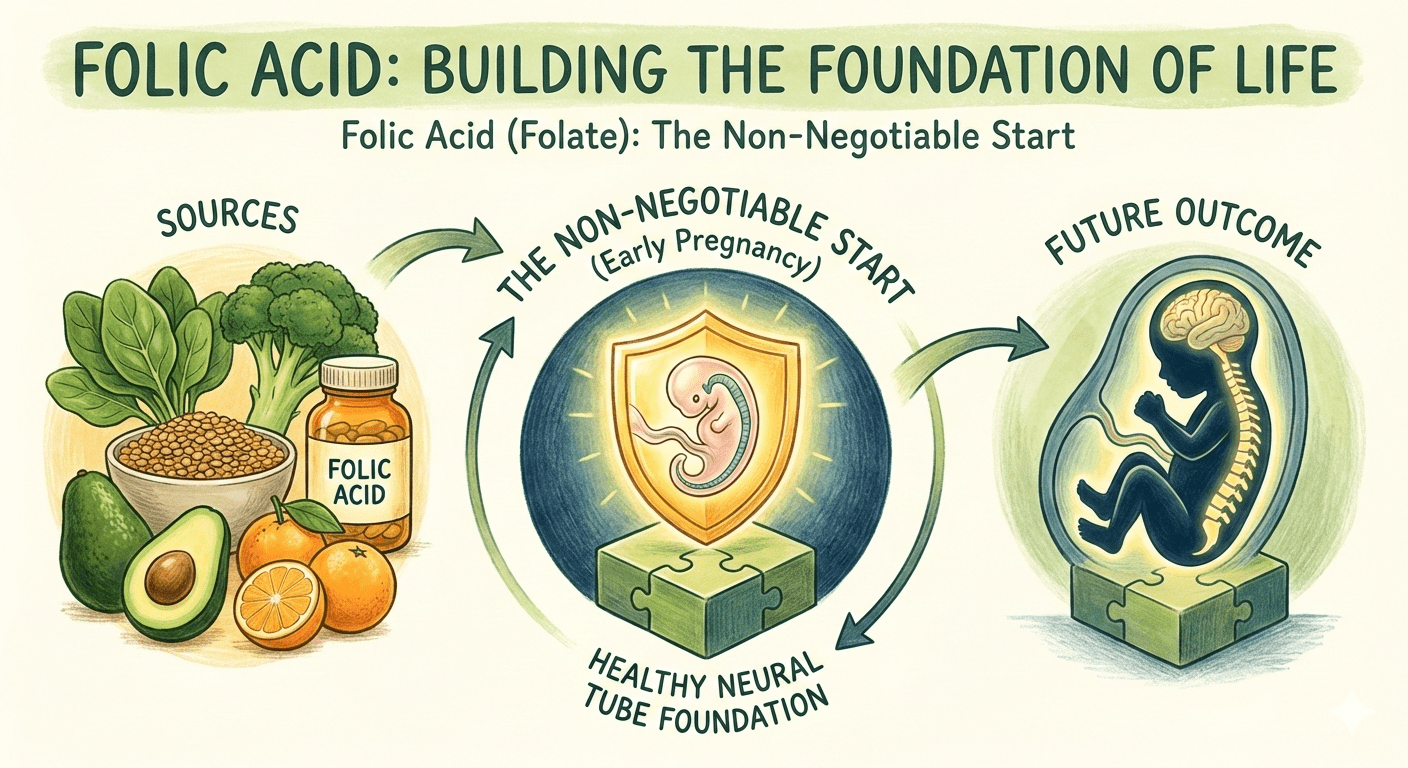
1. Folic Acid (Folate): The Non-Negotiable Start
Folic acid is the single most recommended nutrient for anyone trying to get pregnant. It supports early fetal development and reduces the risk of neural tube defects.

Organizations like the Centers for Disease Control and Prevention (CDC) recommend 400 mcg of folic acid daily for individuals capable of becoming pregnant (CDC, 2024).
Even before pregnancy occurs, folate contributes to healthier cell division—an essential process for egg development.
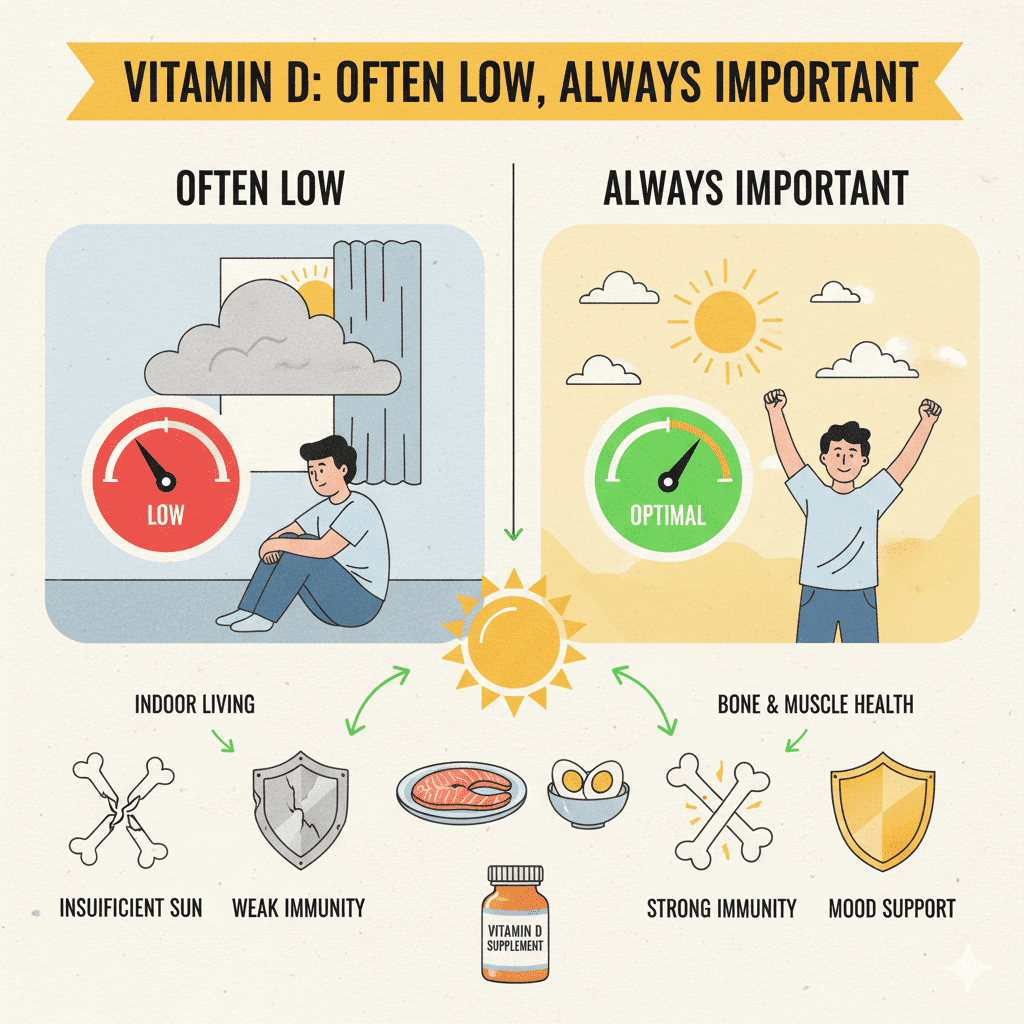
2. Vitamin D: Often Low, Always Important
Vitamin D deficiency is extremely common worldwide and has been linked to hormonal imbalances and irregular cycles. According to research referenced by the National Institutes of Health (NIH), adequate vitamin D levels are associated with improved reproductive health and better fertility outcomes.
Most people don’t get enough from sunlight alone, so a supplement may be beneficial—especially if blood tests show deficiency.
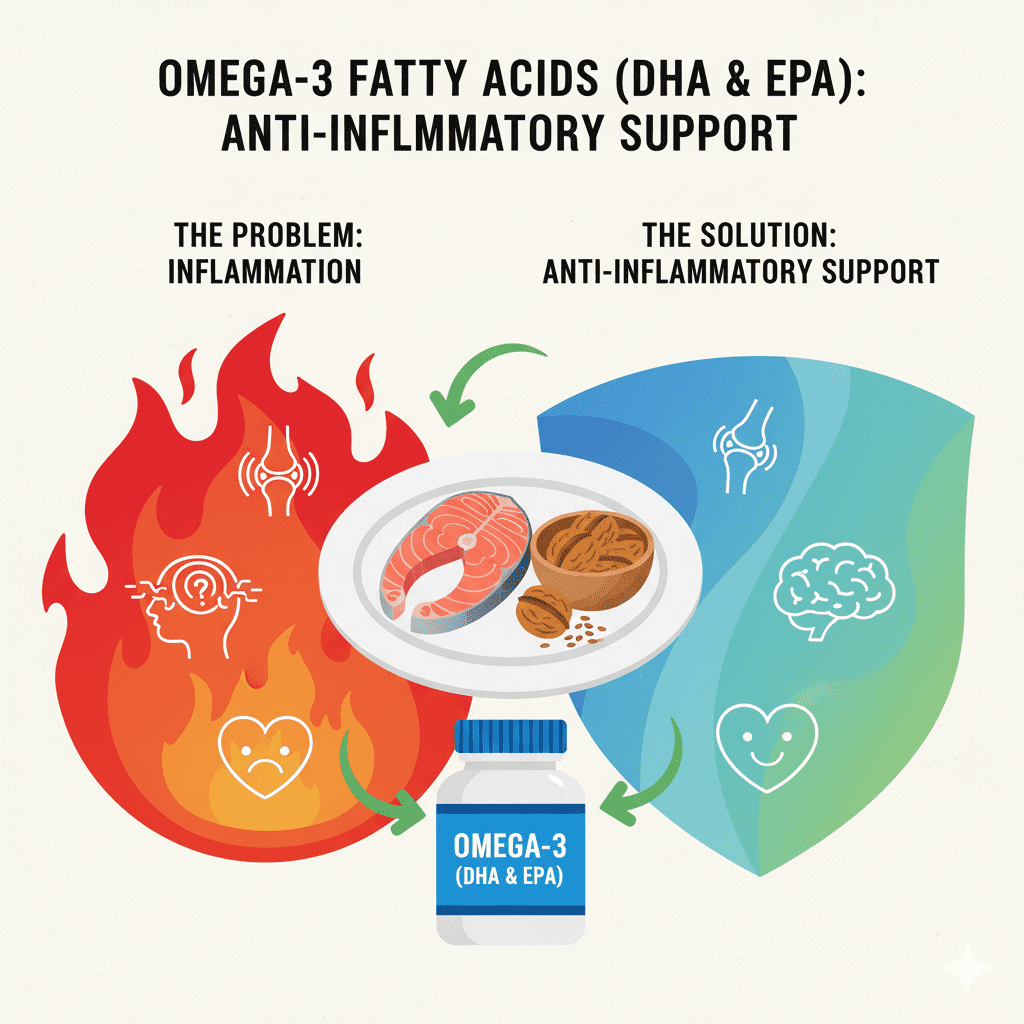
3. Omega-3 Fatty Acids (DHA & EPA): Anti-Inflammatory Support
Omega-3s help regulate inflammation, support hormone production, and may improve egg quality.
Clinical and observational studies summarized by NIH highlight that omega-3 intake is linked with improved overall reproductive function and healthier cycles.
They also support early pregnancy health, which is why many prenatal vitamins include DHA.
4. CoQ10: Egg Quality & Mitochondrial Support
CoQ10 (Coenzyme Q10) has become one of the most discussed fertility supplements—and for good reason.
Studies referenced in peer-reviewed journals (NIH PubMed) indicate that CoQ10 may support:
- mitochondrial function in developing eggs
- improved egg maturation
- better ovarian response
It’s especially popular for women over 30, when natural CoQ10 levels slowly decline.
5. Iron: Only If You’re Deficient
Iron deficiency is common among women of reproductive age and may impact ovulation and energy levels.
The American College of Obstetricians and Gynecologists (ACOG) notes that iron deficiency can affect overall reproductive health and recommends supplementation only when deficiency is confirmed.
Taking iron “just in case” isn’t recommended—too much iron can be harmful. Always check with a healthcare provider before starting.
6. Prenatal Multivitamin: A Complete Backup Plan
A high-quality prenatal vitamin is often the easiest way to ensure you’re covering all key nutrients, including:
- folate
- vitamin D
- iodine
- iron (if included)
- choline
- B-vitamins
According to NIH Office of Dietary Supplements, prenatals support both preconception health and early pregnancy development.
7. What About Herbal Supplements?
Herbal options like maca root, evening primrose oil, or vitex are popular online but lack strong scientific evidence.
Most major medical organizations—including ACOG—do not endorse them due to limited research and inconsistent formulations.
If you choose to explore herbal supplements, do so with a qualified healthcare professional.
Final Thoughts
While supplements can support fertility, they work best when paired with:
- balanced nutrition
- regular cycle tracking
- healthy lifestyle habits
- guidance from a healthcare professional
The goal is not to take “more,” but to take the right nutrients your body actually needs.
Before starting any supplement—especially iron, vitamin D, or CoQ10—it’s always wise to consult a physician or fertility specialist.
What is your reaction to this article?

Hi, I’m Mary! I’m a women’s health educator, certified Fertility Awareness Method (FAM) instructor, and a total cycle nerd who’s been charting my own cycles for over a decade. After ditching hormonal birth control in my mid-20s and realizing how little I actually knew about my body, I dove head-first into the science of natural fertility tracking. What started as a personal experiment turned into a full-on passion: helping women reclaim their cycles, conceive confidently, or avoid pregnancy without side effects. When I’m not geeking out over cervical mucus patterns or BBT charts, you’ll find me sipping herbal tea, tending my (slightly chaotic) houseplant jungle, or walking my rescue dog with a podcast in my ears. I believe knowledge is power, and understanding your cycle is one of the kindest things you can do for yourself. Thanks for being here — let’s decode your body together! 🌿
VIEW AUTHOR PROFILE