
- 1. 🌱 Why Vitamins Matter When TTC
- 2. 🧠 11 Essential Vitamins to Help Conceive
- 2.1. 1️⃣ Folate (Vitamin B9) — The TTC Essential
- 2.2. 2️⃣ Vitamin D — Hormone & Cycle Support
- 2.3. 3️⃣ Vitamin B12 — Energy, Egg Quality & Implantation
- 2.4. 4️⃣ Vitamin B6 — PMS Relief & Cycle Regulation
- 2.5. 5️⃣ Vitamin C — Antioxidant & Progesterone Support
- 2.6. 6️⃣ Vitamin E — Blood Flow & Egg Cell Protection
- 2.7. 7️⃣ Choline — Early Development Support
- 2.8. 8️⃣ Iron — Oxygen & Energy for Early Pregnancy
- 2.9. 9️⃣ Omega-3 DHA + EPA — Anti-Inflammatory & Egg Support
- 2.10. 🔟 CoQ10 — Egg Quality & Cellular Energy
- 2.11. 1️⃣1️⃣ Myo-Inositol — Cycle Regularity & Ovulation
- 3. 🎯 Which Vitamins to Start With First?
- 4. 🧪 When Should You Start Vitamins to Help Conceive?
- 5. 🚫 Vitamins to Avoid or Use Carefully
- 6. 🩺 Talk to Your Healthcare Provider If…
- 7. 🔗 Related TTC Articles (Internal Linking)
- 8. 🧠 Final Thoughts
Trying to conceive (TTC) can feel like a hopeful yet uncertain journey. Whether you’ve just started or you’ve been trying for months, one question comes up again and again:
“Are there vitamins that can actually help me get pregnant?”
The short answer is yes — some vitamins and nutrients play important roles in ovulation, hormone balance, menstrual regularity, and early embryo development.
They won’t guarantee pregnancy, but they can support your body’s natural fertility process, especially if you’re deficient or nutrient levels are low.
In this guide, we’ll break down the most important vitamins to help conceive, what they do, how much your body typically needs, and smart TTC tips to support your fertility journey.

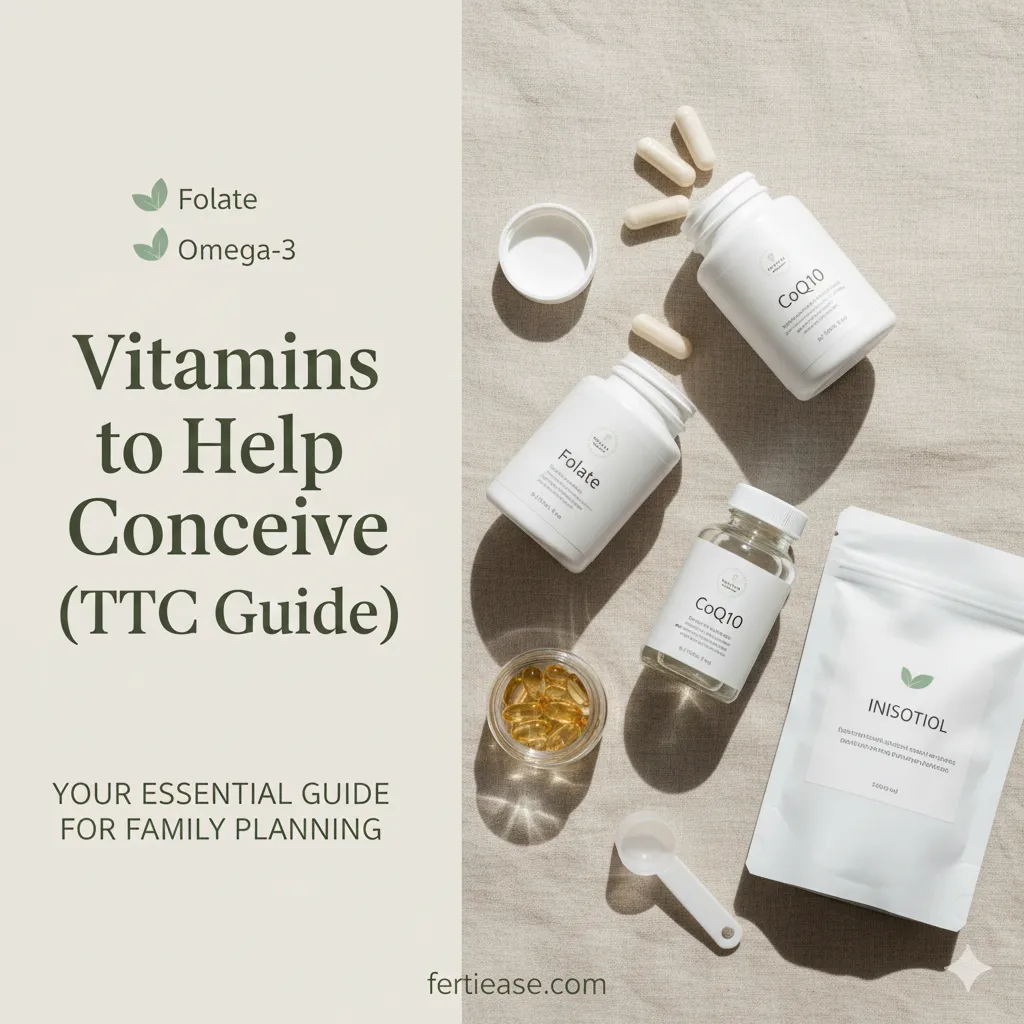
Vitamins To Help Conceive 11 Key Nutrients That Support Fertility Cycle Health 2 Fertiease
🌱 Why Vitamins Matter When TTC
Your reproductive system relies on:
stable hormone levels
consistent ovulation
healthy ovarian function
nutrient-rich egg development
thick, receptive endometrium (uterine lining)
Deficiencies in key vitamins can make it harder for your body to do these jobs smoothly.
Supporting your nutritional foundation may improve your chances — especially when combined with lifestyle choices and medical guidance where needed.
🧠 11 Essential Vitamins to Help Conceive

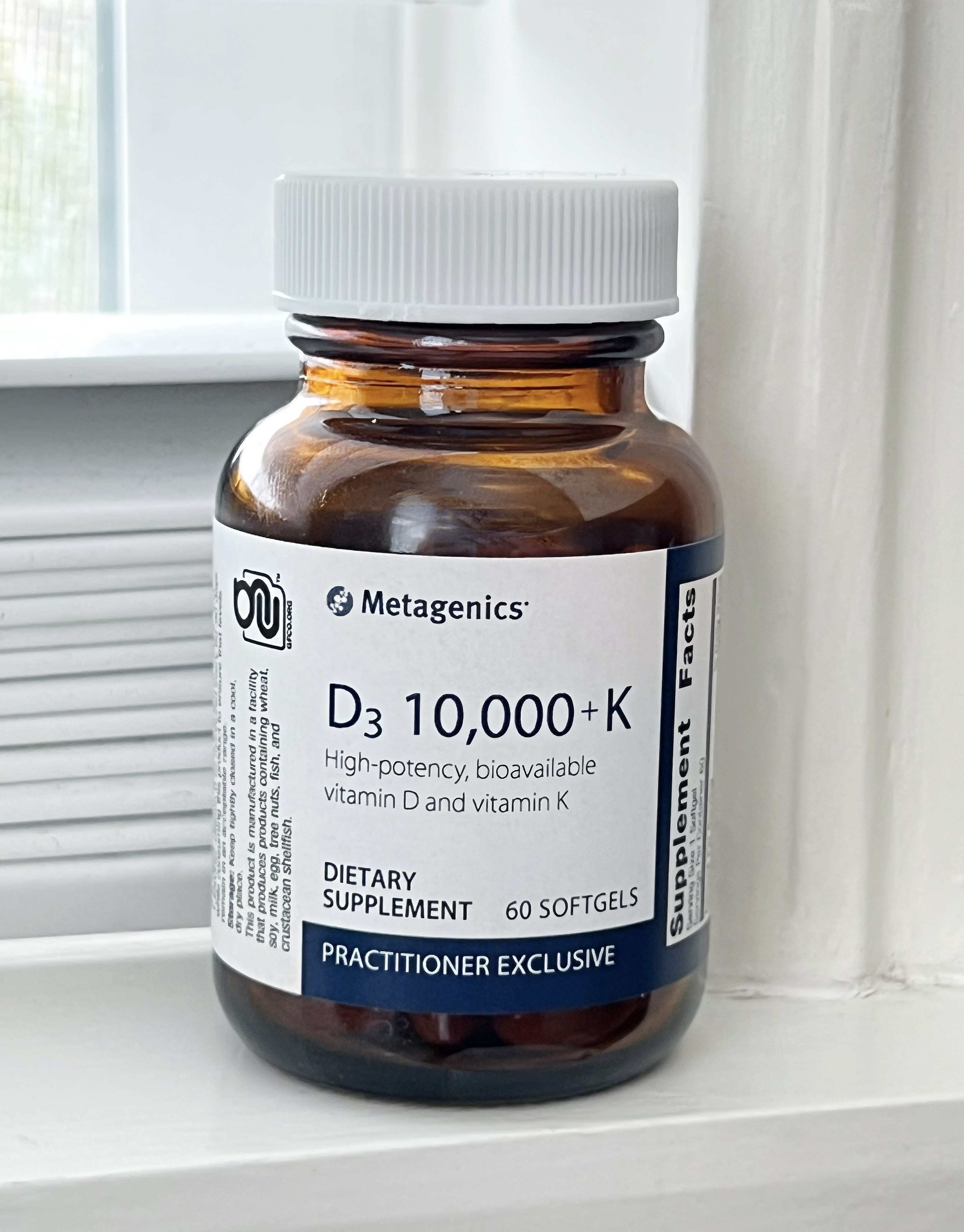

1️⃣ Folate (Vitamin B9) — The TTC Essential
Folate supports cell division and early neural tube development.
Why it helps conception:
Supports early embryo development
Reduces neural tube defect risk
Encourages healthy ovulation
💡 Tip: Choose methylated folate instead of folic acid if possible — it’s more bioavailable, especially if you have MTHFR mutations.
2️⃣ Vitamin D — Hormone & Cycle Support
Vitamin D acts like a hormone and is linked to reproductive health.
Why it helps:
Supports hormone balance
May improve cycle regularity
Linked to ovarian function & implantation
🚨 Low vitamin D is very common — testing can be useful.
3️⃣ Vitamin B12 — Energy, Egg Quality & Implantation
Vitamin B12 supports:
red blood cell production
cellular energy
DNA synthesis
B12 deficiency can contribute to anovulation and irregular cycles.
Plant-based diet? B12 is especially important.
4️⃣ Vitamin B6 — PMS Relief & Cycle Regulation
B6 may help:
balance progesterone
reduce PMS symptoms
regulate menstrual cycles
It won’t fix hormonal disorders alone — but it can support smoother cycles.
5️⃣ Vitamin C — Antioxidant & Progesterone Support
Vitamin C protects egg cells from oxidative stress and may support luteal phase health.
Why TTC women use it:
Supports progesterone production
May help with luteal phase length
Antioxidant protection
Especially helpful if cycles feel short.
6️⃣ Vitamin E — Blood Flow & Egg Cell Protection
Vitamin E is a fat-soluble antioxidant.
Why it matters:
Supports egg membrane stability
Aids uterine blood flow
Works synergistically with omega-3 and selenium
Often used alongside CoQ10 in fertility protocols.
7️⃣ Choline — Early Development Support
Often overlooked but crucial for brain and spinal development.
Best sources:
eggs
prenatal vitamins containing choline
supplemental forms (CDP-choline)
Choline + folate = powerful TTC foundation.
8️⃣ Iron — Oxygen & Energy for Early Pregnancy
Iron deficiency can lead to:
fatigue
low energy
poor oxygen circulation
ovulation challenges
Test levels before supplementing — too much iron is not ideal.
9️⃣ Omega-3 DHA + EPA — Anti-Inflammatory & Egg Support
Omega-3s are among the most evidence-backed nutrients for fertility.
Why:
improves egg membrane structure
reduces inflammation
supports implantation
supports mood during TTC
Most people are deficient — food + supplement approach works well.
🔟 CoQ10 — Egg Quality & Cellular Energy
Technically not a vitamin — but a powerful fertility nutrient.
Benefits:
supports mitochondrial function in egg cells
boosts energy production
often used in IVF prep
Especially useful for women over 30.
1️⃣1️⃣ Myo-Inositol — Cycle Regularity & Ovulation
A game-changer for women with:
irregular cycles
PCOS
insulin sensitivity issues
Why:
may regulate cycles
supports healthy ovulation
improves egg quality markers
Often combined with folate when TTC.
🎯 Which Vitamins to Start With First?
If TTC and unsure where to begin, a good starting point is:
| Priority | Vitamin / Nutrient |
|---|---|
| Foundation | Folate + Vitamin D + Omega-3 |
| Hormone Balance | B6 + Myo-Inositol |
| Egg Quality | CoQ10 + Vitamin E |
| Common Deficiency | Iron + B12 |
You don’t need all supplements — choose based on bloodwork, symptoms, and guidance.
🧪 When Should You Start Vitamins to Help Conceive?
Ideally:
3–6 months before trying
or as soon as you’re TTC
Why? Egg maturation takes ~90 days — nutrients support the process in advance, not instantly.
🚫 Vitamins to Avoid or Use Carefully
❌ high-dose vitamin A (retinol form)
❌ megadoses of fat-soluble vitamins without guidance
❌ herbal blends without transparency
❌ supplements with proprietary formulas
When TTC, clarity matters — know what’s in your bottle.
🩺 Talk to Your Healthcare Provider If…
cycles are absent or highly irregular
you have PCOS, thyroid conditions, or endometriosis
you’ve been TTC ≥ 12 months (≥ 6 months if over 35)
you experience recurrent miscarriages
Supplements support — but don’t replace — medical care when needed.
🔗 Related TTC Articles (Internal Linking)
👉 [Pregnancy Symptoms Before Missed Period: 13 Real Signs You Might Be Pregnant]
👉 [Best Fertility Supplements for Women: 12 Doctor-Backed Picks]
👉 TTC Vitamins: What Actually Works?

Vitamins To Help Conceive 11 Key Nutrients That Support Fertility Cycle Health 3 Fertiease
🧠 Final Thoughts
Vitamins to help conceive are tools — not guarantees.
They work best when paired with:
balanced nutrition
consistent sleep
gentle movement
stress reduction
medical guidance when needed
Think of vitamins as building blocks that prepare your body for conception — not shortcuts.
Support is strength.
Preparation is power.
Patience is part of the journey.
What is your reaction to this article?

Here is a professional English bio for Dr. Elizabeth Williams, Obstetrician-Gynecologist: Dr. Elizabeth Williams, MD, FACOG, is a board-certified obstetrician-gynecologist with over 15 years of experience providing compassionate, evidence-based women’s healthcare. She earned her medical degree from Johns Hopkins University School of Medicine and completed her residency in Obstetrics and Gynecology at Massachusetts General Hospital, Harvard Medical School, where she served as Chief Resident. Dr. Williams specializes in high-risk pregnancies, minimally invasive gynecologic surgery, adolescent gynecology, and menopause management. Known for her warm bedside manner and clear communication, she is dedicated to empowering her patients through every stage of life, from prenatal care and childbirth to preventive wellness and complex gynecologic conditions. In addition to her clinical practice, Dr. Williams is actively involved in medical education and has published research on preeclampsia, labor induction, and robotic-assisted surgery. She is a Fellow of the American College of Obstetricians and Gynecologists (FACOG) and a member of the Society for Maternal-Fetal Medicine. Patients describe Dr. Williams as “attentive, knowledgeable, and truly caring,” and she is proud to deliver hundreds of babies each year while building long-term relationships with the families she serves. Dr. Williams practices in [City/State] and is affiliated with [Hospital Name]. She welcomes new patients and offers both in-person and telemedicine appointments.
VIEW AUTHOR PROFILE