
- 1. 🌱 How Birth Control Affects Fertility (Short-Term vs Long-Term)
- 2. ⏳ The Short Answer
- 3. 🧠 Fertility Return Timeline by Birth Control Type
- 3.1. 💊 Birth Control Pills (Combined or Progestin-Only)
- 3.2. 💉 Birth Control Shot (Depo-Provera)
- 3.3. 🧷 Hormonal IUD (Mirena, Kyleena, etc.)
- 3.4. 🔗 Copper IUD (Non-Hormonal)
- 3.5. 💍 Implant (Nexplanon)
- 4. 🤰 Can You Get Pregnant Immediately After Stopping Birth Control?
- 5. ⚠️ Common Symptoms After Coming Off Birth Control
- 6. 🧪 When Should You Expect Regular Ovulation?
- 7. 🧠 TTC Tip: Birth Control Can Mask Underlying Issues
- 8. 🌿 How to Support Fertility After Coming Off Birth Control
- 8.1. ✔️ Nutrition & Supplements
- 8.2. ✔️ Track Ovulation Gently
- 8.3. ✔️ Reduce Stress on the Transition
- 9. 🚫 What NOT to Do After Stopping Birth Control
- 10. 🧠 When to Talk to a Healthcare Provider
- 11. 🔗 Internal Links (Cluster Support)
- 12. 🧠 Final Thoughts
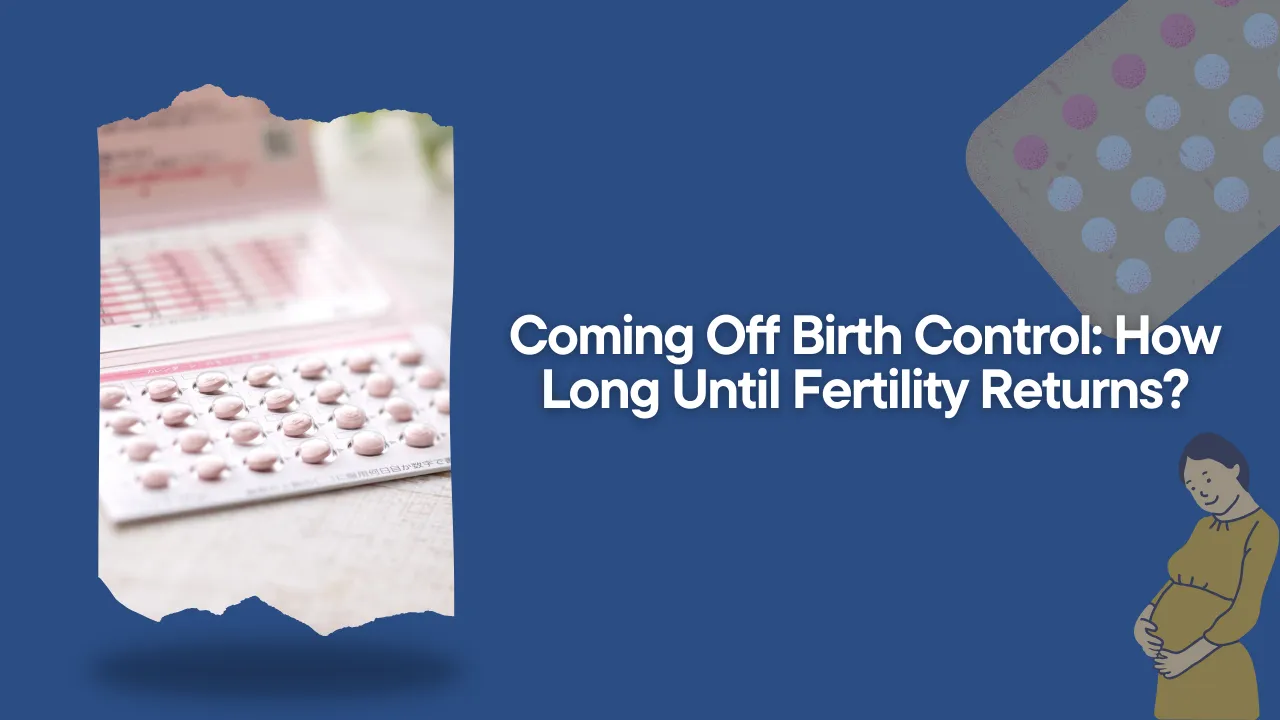
Coming Off Birth Control How Long Until Fertility Returns Realistic Timeline What To Expect Fertiease
Deciding to stop birth control is an exciting step—especially if you’re thinking about trying to conceive (TTC). But one big question usually comes next: coming off birth control, how long until fertility returns?
You might hear everything from “you can get pregnant immediately” to “it takes a year.” The truth is more nuanced—and depends on the type of birth control, your body, and how long you used it.
In this guide, you’ll get a clear, realistic timeline for fertility returning after birth control, what symptoms are normal, what may delay ovulation, and how to support your body naturally during the transition.

🌱 How Birth Control Affects Fertility (Short-Term vs Long-Term)
Hormonal birth control works by:
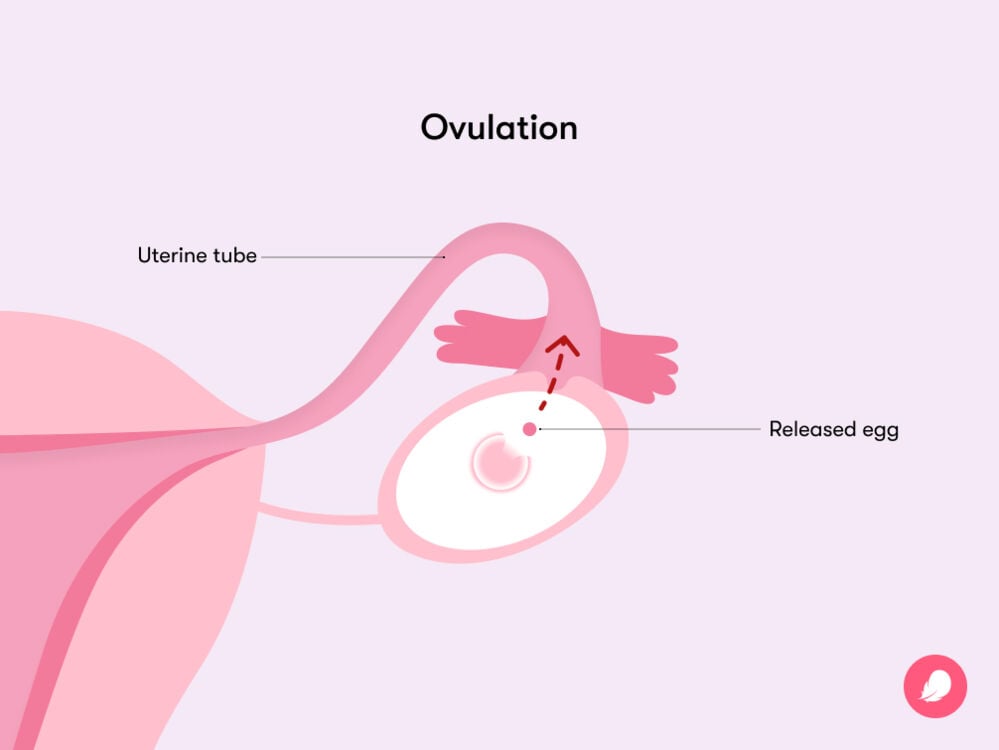
suppressing ovulation
thinning the uterine lining
thickening cervical mucus
Important truth:
👉 Birth control does NOT permanently harm fertility for most women.
However, it can take time for your:
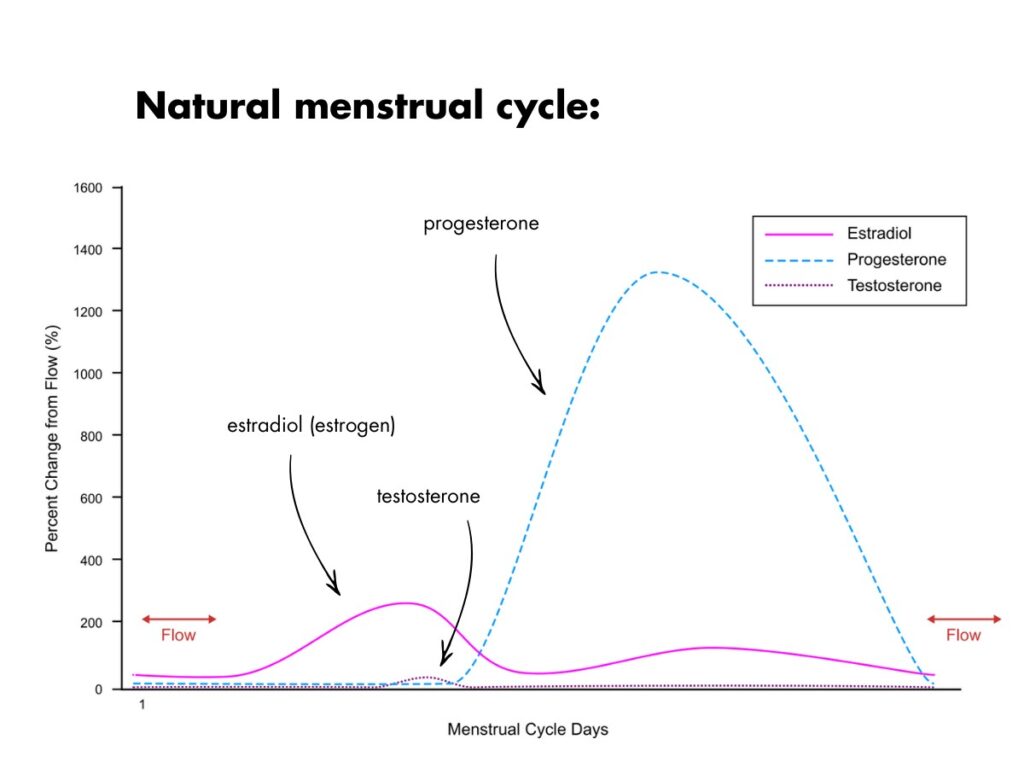
natural hormone rhythm
ovulation patterns
cervical mucus production
to re-establish after stopping.
⏳ The Short Answer
👉 Most women regain fertility within 1–3 months after stopping birth control.
👉 Some ovulate immediately.
👉 Others may take 3–6 months (or longer) to normalize cycles.
This variation is normal.
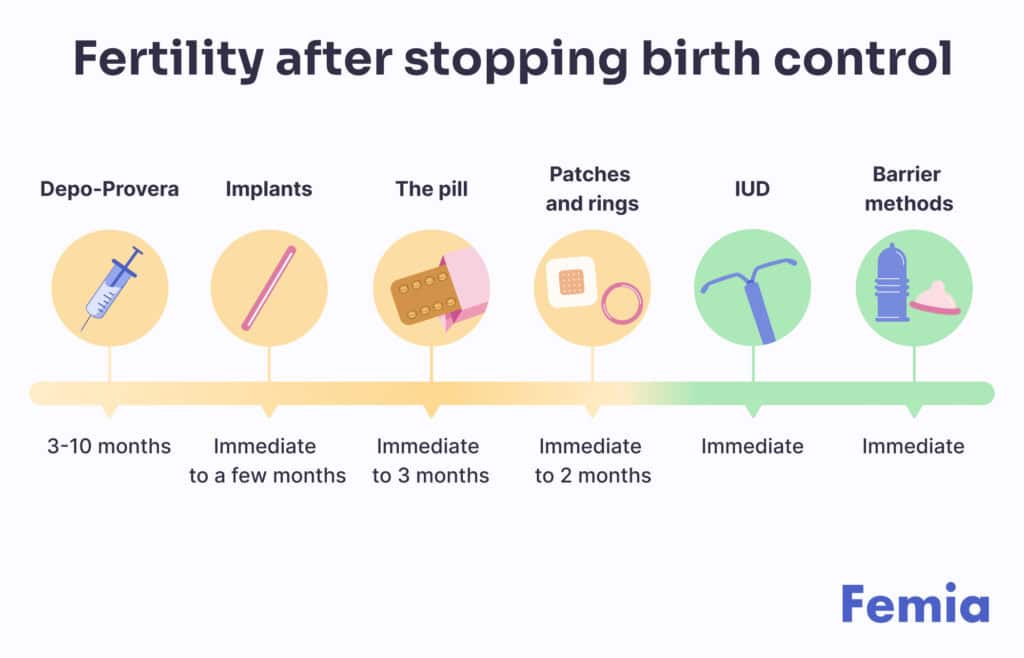
🧠 Fertility Return Timeline by Birth Control Type
💊 Birth Control Pills (Combined or Progestin-Only)
How long until fertility returns?
Ovulation can return within 2–4 weeks
Many women ovulate in their first cycle off the pill
What’s normal after stopping the pill:
Irregular periods for 1–3 months
Lighter or heavier flow than expected
Temporary acne or mood changes
💡 The pill doesn’t delay fertility—but it can mask underlying cycle issues that reappear once you stop.
💉 Birth Control Shot (Depo-Provera)
This one is different.
How long until fertility returns?
6–12 months on average
Sometimes up to 18 months
Why it takes longer:
The hormone stays in your system
Ovulation suppression is stronger and longer-lasting
This delay is common and not a sign of infertility.
🧷 Hormonal IUD (Mirena, Kyleena, etc.)
How long until fertility returns?
Immediately to 1 month for many women
After removal:
Ovulation can occur quickly
Cycles may take 1–2 months to regulate
Because hormones are mostly local, systemic suppression is minimal.
🔗 Copper IUD (Non-Hormonal)
How long until fertility returns?
👉 Immediately
Copper IUDs don’t suppress ovulation. Once removed, fertility returns as soon as your cycle allows.
💍 Implant (Nexplanon)
How long until fertility returns?
Typically 1–3 months
Hormones leave the body quickly, but cycles may need time to normalize.
🤰 Can You Get Pregnant Immediately After Stopping Birth Control?
Yes—it’s possible to conceive right away.
However:
Ovulation timing may be unpredictable in the first cycle
Cervical mucus may be temporarily low
Luteal phase length may be short initially
This doesn’t mean something is wrong—it means your body is recalibrating.
⚠️ Common Symptoms After Coming Off Birth Control
Experiencing symptoms doesn’t mean fertility is delayed—it means hormones are adjusting.
Common changes include:
Irregular cycles
Breakouts or oily skin
Hair shedding or regrowth
Mood swings
Breast tenderness
Changes in libido
These typically improve within 3–6 months.
🧪 When Should You Expect Regular Ovulation?
Most women:
ovulate within 1–3 months
see cycle regularity improve by 3–6 months
If ovulation hasn’t returned by:
3 months (pill, IUD, implant)
6–9 months (shot)
it’s reasonable to seek guidance.
🧠 TTC Tip: Birth Control Can Mask Underlying Issues
Birth control can temporarily hide:
PCOS
thyroid imbalance
luteal phase defects
insulin resistance
If cycles don’t normalize after stopping, this doesn’t mean birth control caused the issue—it may have covered it up.
🌿 How to Support Fertility After Coming Off Birth Control
Your body benefits from gentle support—not pressure.
✔️ Nutrition & Supplements
Prenatal vitamin with folate
Vitamin D (if low)
Omega-3 fatty acids
Myo-inositol (if cycles are irregular)
📌 Related reads:
👉 Vitamins to Help Conceive
👉 How Long Should You Take Supplements Before TTC?
✔️ Track Ovulation Gently
Basal body temperature (BBT)
Cervical mucus awareness
Ovulation predictor kits (OPKs)
Avoid obsessing—patterns matter more than perfection.
✔️ Reduce Stress on the Transition
Prioritize sleep
Avoid extreme dieting
Keep exercise moderate
Give your body time
Stress hormones can delay ovulation more than birth control ever did.
🚫 What NOT to Do After Stopping Birth Control
❌ Panic if you don’t ovulate immediately
❌ Jump into extreme detoxes
❌ Take random hormone-balancing supplements
❌ Compare your timeline to others
Fertility is personal—not competitive.
🧠 When to Talk to a Healthcare Provider
Consider professional guidance if:
No period after 3 months (pill/IUD/implant)
No ovulation after 6 months
You’re over 35 and TTC for 6 months
You had irregular cycles before birth control
You used Depo-Provera and are concerned
Early support can shorten the TTC journey.
🔗 Internal Links (Cluster Support)
👉 Pregnancy Symptoms Before Missed Period
👉 Foods That Support Fertility Naturally
👉 TTC Vitamins: What Actually Works?
👉 Best Fertility Supplements
🧠 Final Thoughts
So, coming off birth control—how long until fertility returns?
👉 For most women: weeks to a few months
👉 For some: a longer but still normal adjustment period
Your body isn’t broken.
It’s remembering its natural rhythm.
Be patient, nourish yourself, and trust that fertility is a process—not a switch.
Coming off birth control is not the end of control.
It’s the beginning of reconnection.
What is your reaction to this article?

Here is a professional English bio for Dr. Elizabeth Williams, Obstetrician-Gynecologist: Dr. Elizabeth Williams, MD, FACOG, is a board-certified obstetrician-gynecologist with over 15 years of experience providing compassionate, evidence-based women’s healthcare. She earned her medical degree from Johns Hopkins University School of Medicine and completed her residency in Obstetrics and Gynecology at Massachusetts General Hospital, Harvard Medical School, where she served as Chief Resident. Dr. Williams specializes in high-risk pregnancies, minimally invasive gynecologic surgery, adolescent gynecology, and menopause management. Known for her warm bedside manner and clear communication, she is dedicated to empowering her patients through every stage of life, from prenatal care and childbirth to preventive wellness and complex gynecologic conditions. In addition to her clinical practice, Dr. Williams is actively involved in medical education and has published research on preeclampsia, labor induction, and robotic-assisted surgery. She is a Fellow of the American College of Obstetricians and Gynecologists (FACOG) and a member of the Society for Maternal-Fetal Medicine. Patients describe Dr. Williams as “attentive, knowledgeable, and truly caring,” and she is proud to deliver hundreds of babies each year while building long-term relationships with the families she serves. Dr. Williams practices in [City/State] and is affiliated with [Hospital Name]. She welcomes new patients and offers both in-person and telemedicine appointments.
VIEW AUTHOR PROFILE