
- 1. 🌱 Why Ovulation Symptoms Matter for Conception
- 2. 🧠 The Fertile Window: A Quick Overview
- 3. 🌸 Ovulation Symptoms: How to Know You’re Fertile
- 3.1. 1️⃣ Egg-White Cervical Mucus (Most Important Sign)
- 3.2. 2️⃣ Increased Libido
- 3.3. 3️⃣ Ovulation Pain (Mittelschmerz)
- 3.4. 4️⃣ Cervix Changes
- 3.5. 5️⃣ Light Spotting
- 3.6. 6️⃣ Breast Tenderness (Before or After Ovulation)
- 3.7. 7️⃣ Changes in Energy & Mood
- 3.8. 8️⃣ Basal Body Temperature (BBT) Rise
- 4. 🧠 Which Ovulation Symptoms Matter Most?
- 5. 📅 Ovulation Symptoms: Day-by-Day Fertile Window
- 6. ⚠️ Common Ovulation Myths (Quick Reality Check)
- 7. 🧪 What If You Don’t Notice Ovulation Symptoms?
- 8. 🌿 How to Support Clear Ovulation Signals Naturally
- 9. 💛 How Often Should You Have Sex During the Fertile Window?
- 10. 🩺 When to Seek Guidance
- 11. 🔗 Internal Links (Fertility & Conception Hub)
- 12. 🧠 Final Thoughts
Ovulation Symptoms How To Know Youre Fertile Day By Day Guide Fertiease
Knowing when you’re fertile is one of the most powerful tools when trying to conceive (TTC). Yet many people are never taught how ovulation actually feels—or how to recognize the subtle signs their body gives each month.
The truth is: your body usually tells you when you’re fertile. You just need to know what to look for.
In this guide, you’ll learn the most reliable ovulation symptoms, how they change day by day, which signs matter most, and how to combine them for the highest chance of conception—without obsession or guesswork.

🌱 Why Ovulation Symptoms Matter for Conception
Ovulation is the release of an egg from the ovary. Once released:
the egg lives ~24 hours
sperm can survive up to 5 days
That’s why the fertile window spans about 5–6 days, not just ovulation day itself.
Recognizing ovulation symptoms helps you:
time intercourse effectively
avoid missing your fertile window
reduce stress from “trying every day”
understand your cycle naturally
🧠 The Fertile Window: A Quick Overview
Typical cycle (28 days as an example):
Day 1 = first day of your period
Ovulation ≈ Day 14
Fertile window ≈ Days 9–14
⚠️ Important: Not everyone ovulates on Day 14.
Ovulation depends on your cycle length, stress, health, and hormones.
🌸 Ovulation Symptoms: How to Know You’re Fertile

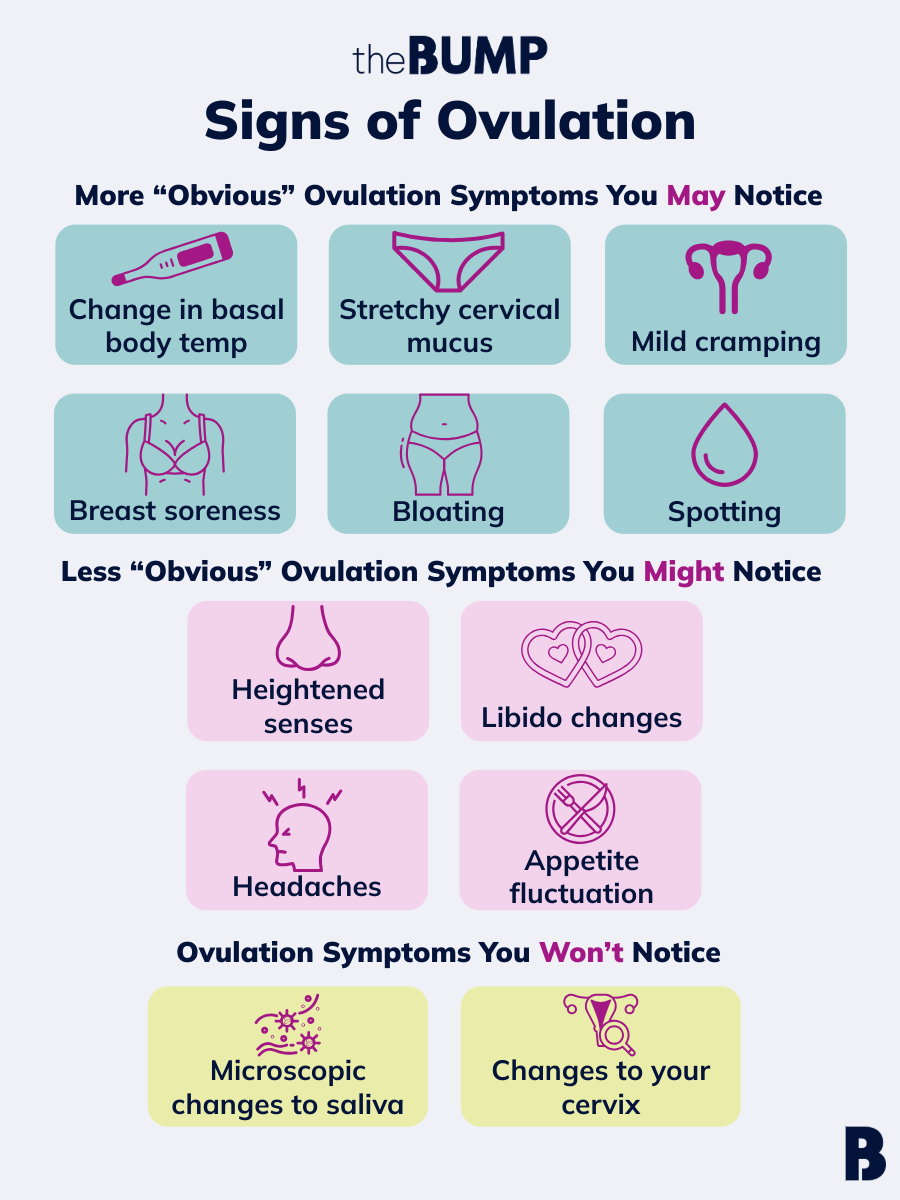
Below are the most common and reliable ovulation symptoms, ranked from strongest to most subtle.
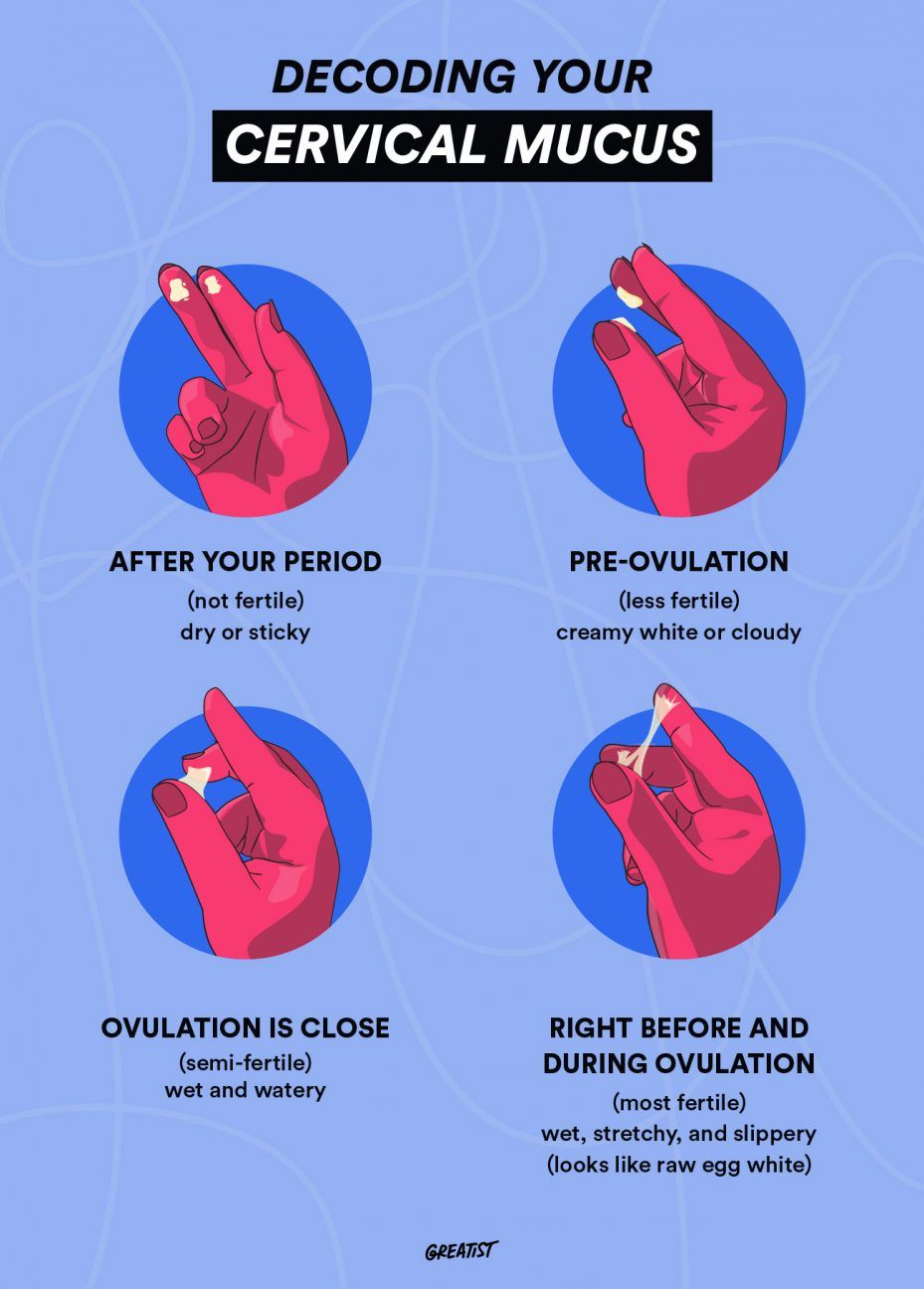
1️⃣ Egg-White Cervical Mucus (Most Important Sign)
This is the gold standard fertility sign.
What it looks like:
clear
slippery
stretchy (like raw egg whites)
What it means:
estrogen is high
sperm can survive longer
fertility is at its peak
👉 If you see this mucus, you’re fertile right now.
Many people miss this sign because they’re not checking or they confuse it with discharge.
2️⃣ Increased Libido
Around ovulation, many people notice:
stronger sexual desire
feeling more attractive
increased confidence
This isn’t random—it’s biology.
Hormones naturally increase libido during your fertile window.
3️⃣ Ovulation Pain (Mittelschmerz)
Some people feel:
mild cramping
pulling or twinge on one side of the lower abdomen
This may happen:
just before
during
or right after ovulation
⚠️ Not everyone feels this—but if you do, it’s a helpful clue.
4️⃣ Cervix Changes
If you check internally, the cervix becomes:
higher
softer
more open
During non-fertile days, it feels lower and firmer.
This sign takes practice, but it’s very accurate when learned.
5️⃣ Light Spotting
Some people notice:
very light spotting
pink or brown discharge
This can occur due to the hormonal shift around ovulation.
It’s not common—but it’s normal when it happens.
6️⃣ Breast Tenderness (Before or After Ovulation)
Hormonal shifts may cause:
sensitivity
fullness
This often appears after ovulation, signaling the fertile window is closing—but it helps confirm ovulation happened.
7️⃣ Changes in Energy & Mood
Around ovulation, many report:
higher energy
better focus
more social motivation
After ovulation, energy may dip slightly as progesterone rises.
8️⃣ Basal Body Temperature (BBT) Rise
BBT tracking shows ovulation after it happens.
What to know:
temperature rises ~0.3–0.5°C (or ~0.5–1°F)
rise confirms ovulation already occurred
BBT is best for:
confirming ovulation
learning cycle patterns
improving future timing
🧠 Which Ovulation Symptoms Matter Most?
If you only focus on two things, make them:
1️⃣ Cervical mucus
2️⃣ Cycle consistency
These outperform apps and predictions when learned correctly.
📅 Ovulation Symptoms: Day-by-Day Fertile Window
5 days before ovulation
mucus becomes creamy
libido begins rising
2–3 days before ovulation
egg-white mucus appears
peak fertility
Ovulation day
slippery mucus
possible ovulation pain
1 day after ovulation
mucus dries up
temperature rises
This is why intercourse before ovulation is so effective.
⚠️ Common Ovulation Myths (Quick Reality Check)
❌ “You only get pregnant on ovulation day”
❌ “Apps always know when you ovulate”
❌ “Regular periods = predictable ovulation”
📌 Related read:
👉 Fertility Myths vs Reality (Evidence-Based)
Your body > your app.
🧪 What If You Don’t Notice Ovulation Symptoms?
Possible reasons:
hormonal imbalance
coming off birth control
stress
PCOS
breastfeeding
perimenopause
This doesn’t mean infertility—but it may mean ovulation is inconsistent.
📌 Related reads:
👉 Coming Off Birth Control: How Long Until Fertility Returns?
👉 Low AMH: Can You Still Get Pregnant?
🌿 How to Support Clear Ovulation Signals Naturally
Ovulation symptoms become clearer when your body is supported.
Helpful basics:
balanced nutrition
stable blood sugar
adequate sleep
gentle movement
stress reduction
📌 Related reads:
👉 Foods That Support Fertility Naturally
👉 How to Improve Egg Quality Naturally
💛 How Often Should You Have Sex During the Fertile Window?
Best approach:
every 1–2 days during fertile window
especially when egg-white mucus appears
Daily sex is not required and can increase pressure.
🩺 When to Seek Guidance
Consider support if:
no ovulation signs for 3+ months
cycles are very irregular
ovulation tests are always positive or never positive
TTC for 12 months (or 6 months if 35+)
Early clarity saves time and stress.
🔗 Internal Links (Fertility & Conception Hub)
👉 Trying to Conceive After 35: What Changes?
👉 Signs Ovulation Is Returning After Birth Control (next logical read)
👉 How Long Should You Take Supplements Before TTC?
👉 Foods That Support Fertility Naturally
🧠 Final Thoughts
So—ovulation symptoms: how to know you’re fertile?
👉 Watch your cervical mucus
👉 Notice your energy and libido
👉 Confirm patterns over time
Your body isn’t silent.
It speaks every cycle—quietly, consistently.
Fertility is not a mystery.
It’s a rhythm you can learn.
Once you understand ovulation symptoms, TTC becomes less stressful—and far more intentional.
What is your reaction to this article?

Here is a professional English bio for Dr. Elizabeth Williams, Obstetrician-Gynecologist: Dr. Elizabeth Williams, MD, FACOG, is a board-certified obstetrician-gynecologist with over 15 years of experience providing compassionate, evidence-based women’s healthcare. She earned her medical degree from Johns Hopkins University School of Medicine and completed her residency in Obstetrics and Gynecology at Massachusetts General Hospital, Harvard Medical School, where she served as Chief Resident. Dr. Williams specializes in high-risk pregnancies, minimally invasive gynecologic surgery, adolescent gynecology, and menopause management. Known for her warm bedside manner and clear communication, she is dedicated to empowering her patients through every stage of life, from prenatal care and childbirth to preventive wellness and complex gynecologic conditions. In addition to her clinical practice, Dr. Williams is actively involved in medical education and has published research on preeclampsia, labor induction, and robotic-assisted surgery. She is a Fellow of the American College of Obstetricians and Gynecologists (FACOG) and a member of the Society for Maternal-Fetal Medicine. Patients describe Dr. Williams as “attentive, knowledgeable, and truly caring,” and she is proud to deliver hundreds of babies each year while building long-term relationships with the families she serves. Dr. Williams practices in [City/State] and is affiliated with [Hospital Name]. She welcomes new patients and offers both in-person and telemedicine appointments.
VIEW AUTHOR PROFILE