

- 1. 🌱 What Is Progesterone (and Why It Matters)
- 2. 🧠 Signs Progesterone May Be Low
- 3. 🌿 How to Boost Progesterone Naturally (What Actually Helps)
- 3.1. 1️⃣ Support Ovulation First
- 3.2. 2️⃣ Eat Enough (Underrated but Critical)
- 3.3. 3️⃣ Balance Blood Sugar
- 3.4. 4️⃣ Prioritize Sleep (Progesterone Loves Sleep)
- 3.5. 5️⃣ Reduce Chronic Stress (Without Blaming Yourself)
- 3.6. 6️⃣ Choose Progesterone-Supportive Foods
- 3.7. 7️⃣ Gentle, Consistent Exercise
- 3.8. 8️⃣ Avoid Endocrine Disruptors
- 4. 💊 Supplements Sometimes Discussed for Progesterone Support (With Guidance)
- 5. 🚫 What Does NOT Boost Progesterone
- 6. 🧬 Progesterone, Luteal Phase & TTC
- 7. 🩺 When to Seek Medical Guidance
- 8. 🧠 A Simple Progesterone-Support Routine
- 9. 🔗 Internal Links (Fertility & Conception Hub)
- 10. 🧠 Final Thoughts
How To Boost Progesterone Naturally Support Your Luteal Phase Fertility Fertiease
If you’re trying to conceive (TTC) and struggling with symptoms like spotting before your period, short cycles, or repeated early losses, progesterone often comes up. Many people ask: How can I boost progesterone naturally?
Progesterone is a key hormone for implantation, pregnancy maintenance, and cycle stability. The good news? While severe deficiencies may need medical care, there are natural, evidence-based ways to support progesterone production—especially by supporting ovulation and the luteal phase.
In this guide, you’ll learn what progesterone does, signs it may be low, and how to boost progesterone naturally with realistic, sustainable steps.

🌱 What Is Progesterone (and Why It Matters)
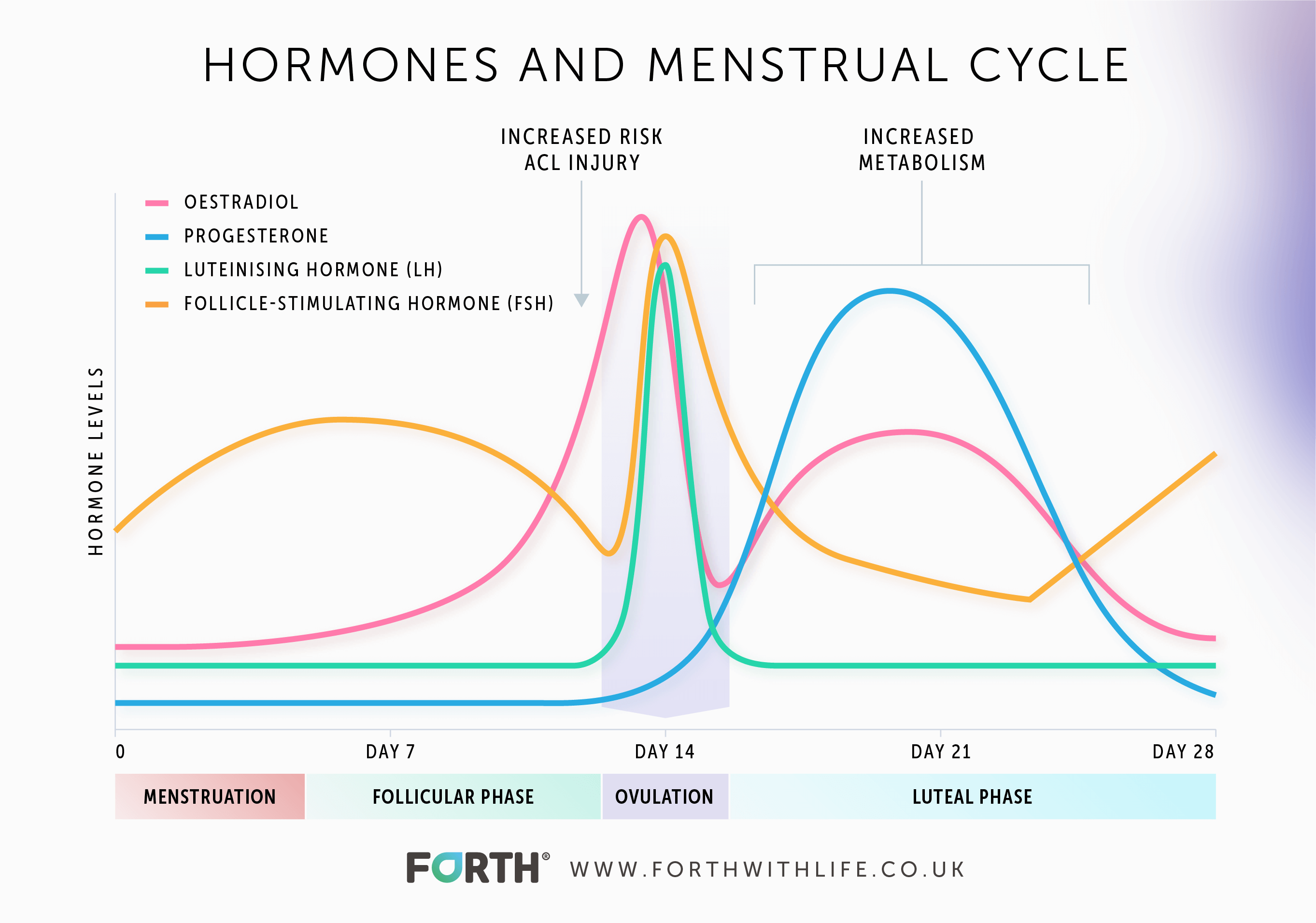
Progesterone is produced after ovulation by the corpus luteum. Its roles include:
thickening and stabilizing the uterine lining
supporting implantation
maintaining early pregnancy
balancing estrogen
regulating the luteal phase
👉 No ovulation = no progesterone.
That’s why supporting ovulation is the foundation of healthy progesterone levels.
🧠 Signs Progesterone May Be Low
Common signs include:
short luteal phase (less than 10–11 days)
spotting before your period
PMS that feels intense or sudden
anxiety or sleep issues after ovulation
cycles that vary widely month to month
Low progesterone doesn’t always mean “too little hormone”—sometimes it means ovulation quality or timing needs support.
🌿 How to Boost Progesterone Naturally (What Actually Helps)


1️⃣ Support Ovulation First
This is the most important step.
Progesterone is only produced after ovulation. If ovulation is weak or inconsistent, progesterone will be low by default.
How to support ovulation:
eat enough calories
stabilize blood sugar
reduce chronic stress
avoid over-exercising
📌 Related reads:
👉 Ovulation Symptoms: How to Know You’re Fertile
👉 Can You Get Pregnant Without Ovulation?
2️⃣ Eat Enough (Underrated but Critical)
Under-eating is one of the most common—and overlooked—causes of low progesterone.
Your body needs:
sufficient calories
healthy fats
protein
Chronic calorie restriction signals the body that pregnancy isn’t “safe,” reducing progesterone output.
Aim for nourishment, not restriction.
3️⃣ Balance Blood Sugar
Insulin spikes and crashes disrupt ovarian hormone signaling.
Helpful habits:
pair carbs with protein & fat
avoid skipping meals
limit refined sugar
choose whole-food carbohydrates
Stable blood sugar = better ovulation = stronger progesterone.
4️⃣ Prioritize Sleep (Progesterone Loves Sleep)
Progesterone has a calming, sleep-promoting effect—and sleep supports its production in return.
Aim for:
7–9 hours per night
consistent sleep/wake times
low light exposure at night
Poor sleep increases cortisol, which can suppress progesterone.
5️⃣ Reduce Chronic Stress (Without Blaming Yourself)
Stress doesn’t “cause” infertility—but chronic stress elevates cortisol.
Cortisol and progesterone share precursor pathways. When stress is high:
progesterone production may drop
luteal phase may shorten
Helpful stress support:
gentle movement
breathwork
time outdoors
reducing TTC pressure
📌 Related read:
👉 Fertility Myths vs Reality (Evidence-Based)
6️⃣ Choose Progesterone-Supportive Foods
Certain nutrients support hormone production.
Focus on:
Healthy fats: avocado, olive oil, nuts
B vitamins: leafy greens, eggs
Magnesium: pumpkin seeds, dark chocolate
Zinc: oysters, seeds, legumes
📌 Related read:
👉 Foods That Support Fertility Naturally
Food doesn’t “force” progesterone—but it creates the environment for it.
7️⃣ Gentle, Consistent Exercise
Movement improves circulation and insulin sensitivity—both helpful for progesterone.
Best options:
walking
yoga
pilates
moderate strength training
Avoid:
excessive HIIT
overtraining
constant exhaustion
Your body needs energy to sustain the luteal phase.
8️⃣ Avoid Endocrine Disruptors
Some chemicals interfere with hormone signaling.
Reduce exposure to:
BPA (plastics)
phthalates (synthetic fragrances)
pesticides
Small, gradual changes add up.
💊 Supplements Sometimes Discussed for Progesterone Support (With Guidance)
While lifestyle is the foundation, some supplements are commonly discussed:
Vitamin B6 – supports luteal phase length
Magnesium – supports relaxation & hormone balance
Vitamin C – may support corpus luteum function
Vitex (chasteberry) – can help some, worsen others
⚠️ Vitex is not universal. It should only be used with cycle awareness or guidance.
📌 Related read:
👉 TTC Vitamins: What Actually Works?
🚫 What Does NOT Boost Progesterone
Be cautious of:
❌ extreme detoxes
❌ progesterone creams without testing
❌ hormone “balancing” supplements with proprietary blends
❌ panic-driven supplementation
More hormones ≠ better fertility.
🧬 Progesterone, Luteal Phase & TTC
A healthy luteal phase is typically:
11–14 days long
stable (no early spotting)
If implantation occurs, progesterone continues to rise.
If not, it drops and menstruation begins.
Supporting progesterone supports:
implantation
early pregnancy stability
cycle predictability
📌 Related reads:
👉 Fertile Window Explained (Day by Day)
👉 How Often Should You Have Sex to Get Pregnant?
🩺 When to Seek Medical Guidance
Consider professional support if:
luteal phase is consistently <10 days
recurrent early losses occur
progesterone labs are low
cycles remain irregular after 3–6 months of support
Sometimes medical progesterone is helpful—and that’s okay.
Natural support and medical care can work together.
🧠 A Simple Progesterone-Support Routine
Daily basics
eat regular, balanced meals
include healthy fats
hydrate well
After ovulation
prioritize sleep
reduce intense workouts
manage stress gently
Monthly
track luteal phase length
notice spotting or symptoms
Consistency matters more than perfection.
🔗 Internal Links (Fertility & Conception Hub)
👉 Ovulation Symptoms: How to Know You’re Fertile
👉 Fertile Window Explained (Day by Day)
👉 How to Improve Egg Quality Naturally
👉 Trying to Conceive After 35: What Changes?
🧠 Final Thoughts
So—how to boost progesterone naturally?
👉 Support ovulation
👉 Nourish your body
👉 Reduce chronic stress
👉 Be consistent over time
Progesterone thrives in stability, safety, and nourishment.
Your body doesn’t need pressure.
It needs support.
When progesterone is supported naturally, the luteal phase strengthens—and fertility becomes more resilient.
What is your reaction to this article?

Penelope Smith is a certified fertility wellness coach and passionate advocate for natural conception with over 8 years of experience guiding couples on their TTC journeys. Drawing from her background in holistic nutrition and reproductive health counseling, she empowers women and men through evidence-based strategies, compassionate support, and practical lifestyle insights. A mother of two conceived naturally after her own fertility challenges, Penelope blends science, empathy, and real-world results in her writing. Her articles have helped thousands optimize ovulation, balance hormones, and embrace the emotional side of trying to conceive. Connect with her at hello@fertiease.com
VIEW AUTHOR PROFILE