

- 1. 🌱 Why Timing Beats Frequency
- 2. 🧠 The Short Answer (If You Want It Fast)
- 3. 🗓️ How Often Should You Have Sex to Get Pregnant? (By Situation)
- 3.1. 🟢 During the Fertile Window
- 3.2. 🟡 If Cycles Are Irregular
- 3.3. 🔵 If You’re Using Ovulation Tests (OPKs)
- 3.4. 🟣 If Sperm Count or Motility Is a Concern
- 4. ⚠️ Is Daily Sex Better?
- 5. 🧠 The Most Fertile Days (Ranked)
- 6. 💛 How Often Outside the Fertile Window?
- 7. 🚫 Common TTC Sex Myths (Debunked)
- 7.1. ❌ Myth: “More sex = faster pregnancy”
- 7.2. ❌ Myth: “You must save sperm for ovulation”
- 7.3. ❌ Myth: “Specific positions increase chances”
- 8. 🌿 Supporting Healthy Timing Naturally
- 9. 🧪 What If You’re “Doing Everything Right” But Not Pregnant?
- 10. 🧠 A Simple TTC Sex Plan (Low Stress)
- 11. 💬 What About Emotional Pressure?
- 12. 🔗 Internal Links (Fertility & Conception Hub)
- 13. 🧠 Final Thoughts
How Often Should You Have Sex To Get Pregnant Science Backed Timing Guide Fertiease
When trying to conceive (TTC), one of the most common—and stressful—questions is:
How often should you have sex to get pregnant?
Some couples feel pressure to have sex every day. Others worry they’re not doing it “enough.” The truth is much simpler (and more reassuring):
👉 You don’t need daily sex to get pregnant.
👉 Timing matters more than frequency.

In this guide, we’ll break down how often to have sex, what science says about sperm health and ovulation timing, and how to create a realistic, low-stress plan that actually improves your chances.
🌱 Why Timing Beats Frequency
Pregnancy happens when sperm meets egg—and biology sets the rules:
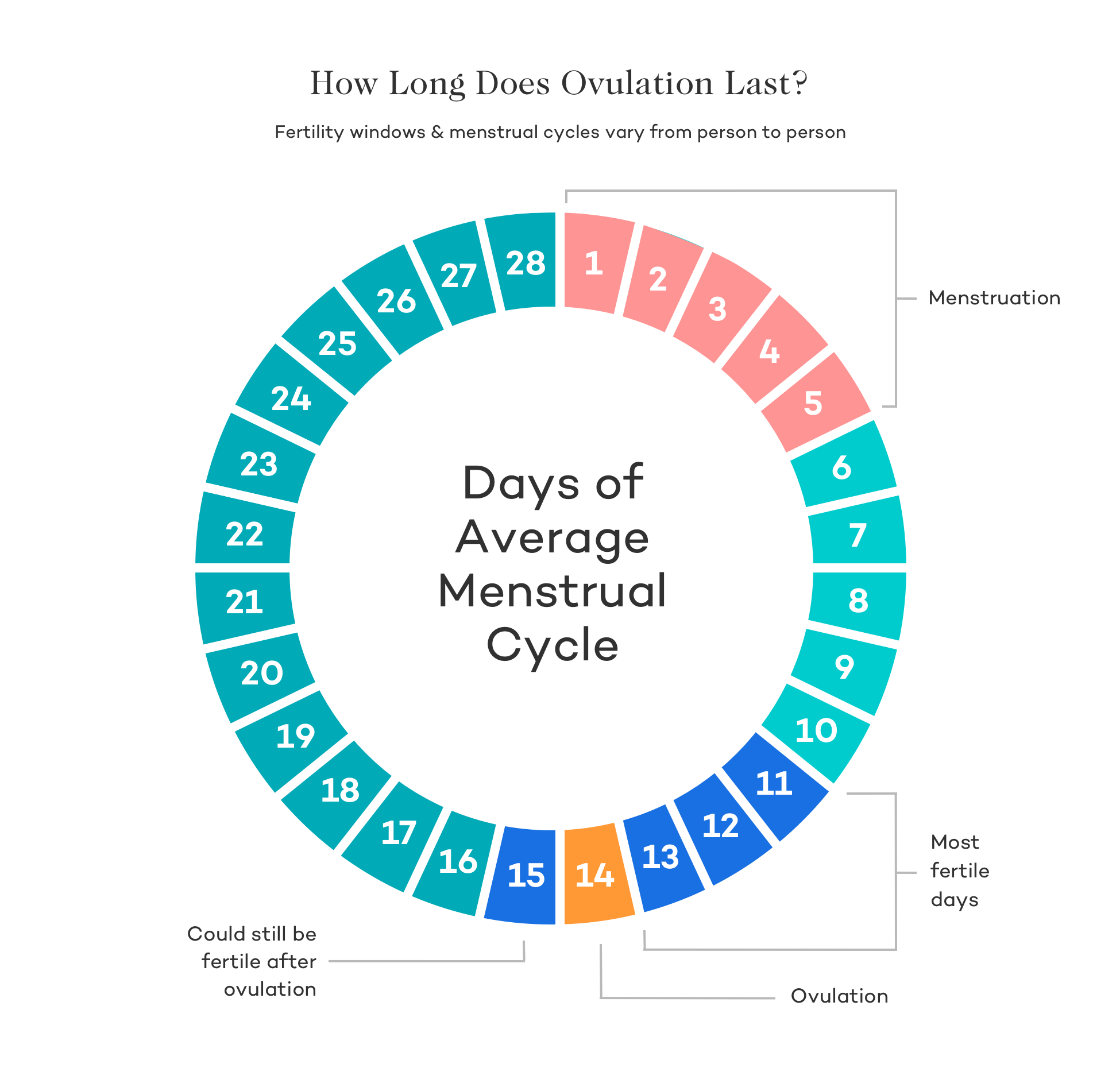
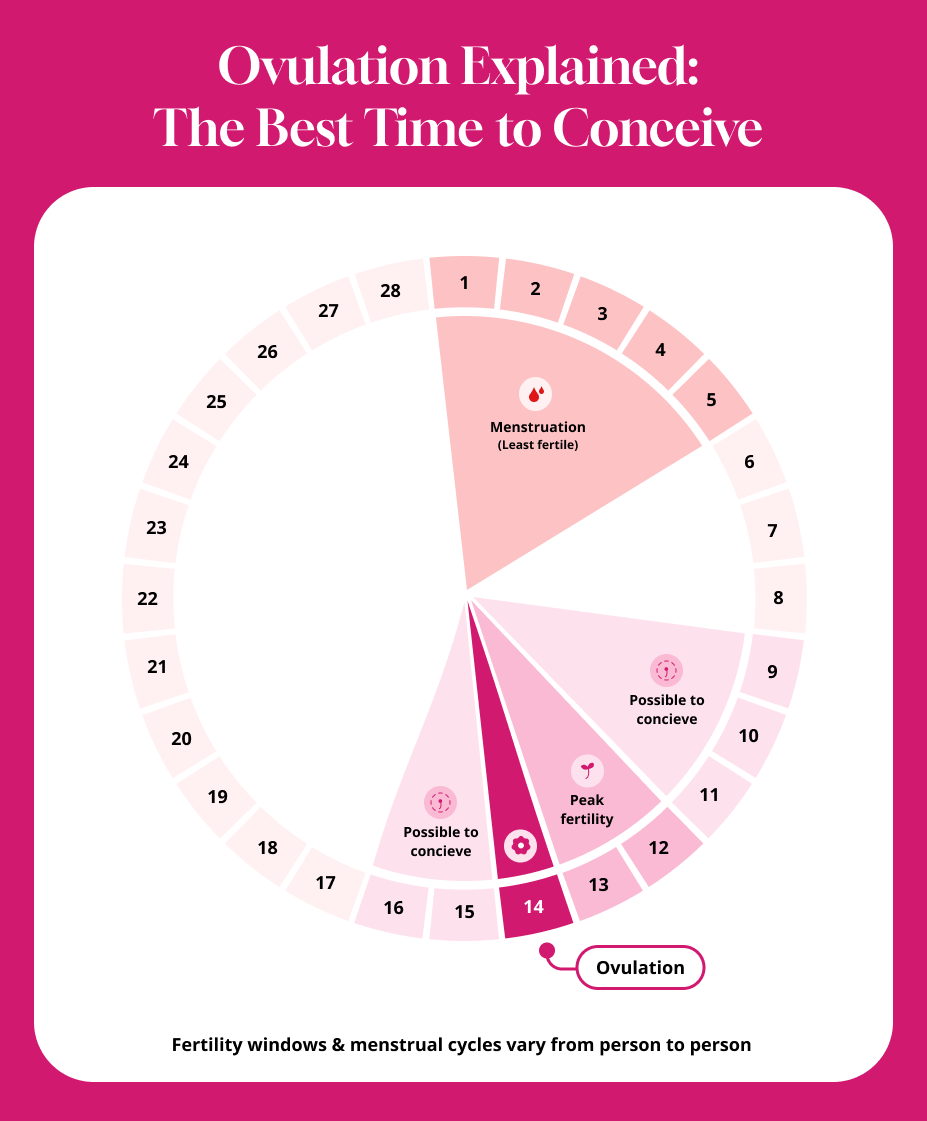
Sperm can live up to 5 days in fertile cervical mucus
The egg lives 12–24 hours after ovulation
This creates a fertile window of about 5–6 days each cycle. Sex outside this window won’t lead to pregnancy, no matter how often it happens.
📌 Related read:
👉 Fertile Window Explained (Day by Day)
🧠 The Short Answer (If You Want It Fast)
👉 Have sex every 1–2 days during your fertile window.
👉 Focus especially on the 2–3 days before ovulation.
This approach balances:
high pregnancy rates
healthy sperm quality
lower stress and burnout
🗓️ How Often Should You Have Sex to Get Pregnant? (By Situation)

🟢 During the Fertile Window
Best frequency: Every 24–48 hours
Why this works:
Keeps sperm available when the egg is released
Prevents sperm depletion
Maintains intimacy without pressure
Most studies show similar pregnancy rates for:
sex every day
sex every other day
👉 So choose what feels sustainable.
🟡 If Cycles Are Irregular
If ovulation timing is unpredictable:
Have sex every 2–3 days throughout the cycle
Increase frequency when fertile signs appear
This strategy prevents “missing” ovulation without exhausting either partner.
📌 Related read:
👉 Ovulation Symptoms: How to Know You’re Fertile
🔵 If You’re Using Ovulation Tests (OPKs)
When the LH surge appears:
Have sex that day and the next 1–2 days
Remember:
The LH surge predicts ovulation—it doesn’t confirm it
Sex before ovulation is usually more effective than after
🟣 If Sperm Count or Motility Is a Concern
Contrary to common belief:
Daily ejaculation does NOT ruin fertility
But some men benefit from every-other-day sex
Best approach:
Every 36–48 hours during fertile window
Avoid long abstinence (>5–7 days)
📌 Related read:
👉 TTC Supplements for Men
⚠️ Is Daily Sex Better?
Daily sex:
❌ Is not required
❌ Does not dramatically increase pregnancy rates
❌ Can increase stress and pressure
Daily sex may help if:
fertile window is very short
ovulation timing is unclear
both partners feel comfortable with it
But for most couples, every other day works just as well.
🧠 The Most Fertile Days (Ranked)
If you want to prioritize:
🥇 2 days before ovulation
🥈 1 day before ovulation
🥉 3 days before ovulation
➡️ Ovulation day itself (still possible, but less ideal)
This is why starting early matters.
💛 How Often Outside the Fertile Window?
Outside the fertile window:
Sex does not increase pregnancy chances
But regular intimacy supports:
relationship health
libido
reduced TTC stress
There’s no “wrong” frequency outside the window—do what feels good.
🚫 Common TTC Sex Myths (Debunked)
❌ Myth: “More sex = faster pregnancy”
Reality:
More sex outside the fertile window doesn’t help.
❌ Myth: “You must save sperm for ovulation”
Reality:
Long abstinence can reduce sperm quality.
❌ Myth: “Specific positions increase chances”
Reality:
No sexual position has been proven to increase pregnancy rates.
📌 Related read:
👉 Fertility Myths vs Reality (Evidence-Based)
🌿 Supporting Healthy Timing Naturally
Clear fertile signs make timing easier.
Support your body with:
balanced nutrition
adequate hydration
quality sleep
stress management
📌 Related reads:
👉 Foods That Support Fertility Naturally
👉 How to Improve Egg Quality Naturally
When your body is supported, the fertile window is clearer—and timing becomes intuitive.
🧪 What If You’re “Doing Everything Right” But Not Pregnant?
If you’ve been timing intercourse well and:
TTC for 12 months (or 6 months if 35+)
cycles are irregular
ovulation signs are unclear
It may be time for professional guidance.
📌 Related read:
👉 Trying to Conceive After 35: What Changes?
Seeking help is a step forward—not a failure.
🧠 A Simple TTC Sex Plan (Low Stress)
Option A: Cycle-Aware Plan
Track ovulation signs
Sex every 1–2 days during fertile window
Option B: Low-Tracking Plan
Sex every 2–3 days all cycle
Increase frequency if fertile signs appear
Both approaches work. Choose the one that feels sustainable.
💬 What About Emotional Pressure?
TTC sex can start to feel scheduled or mechanical. That’s normal—but it doesn’t mean you’re doing it wrong.
Helpful reminders:
Fertility isn’t a performance
Connection matters
Stress reduction helps hormones
It’s okay to:
skip a day
take a break
laugh about the awkwardness
Your relationship is part of fertility health.
🔗 Internal Links (Fertility & Conception Hub)
👉 Fertile Window Explained (Day by Day)
👉 Ovulation Symptoms: How to Know You’re Fertile
👉 Signs Ovulation Is Returning After Birth Control
👉 How Long Should You Take Supplements Before TTC?
🧠 Final Thoughts
So—how often should you have sex to get pregnant?
👉 Every 1–2 days during your fertile window
👉 Focus on the days before ovulation
👉 Avoid unnecessary pressure
Fertility works best with informed timing, not over-trying.
Consistency beats intensity.
Timing beats frequency.
Calm beats pressure.
Trust the biology, support your body, and let knowledge replace stress.
What is your reaction to this article?

Here is a professional English bio for Dr. Elizabeth Williams, Obstetrician-Gynecologist: Dr. Elizabeth Williams, MD, FACOG, is a board-certified obstetrician-gynecologist with over 15 years of experience providing compassionate, evidence-based women’s healthcare. She earned her medical degree from Johns Hopkins University School of Medicine and completed her residency in Obstetrics and Gynecology at Massachusetts General Hospital, Harvard Medical School, where she served as Chief Resident. Dr. Williams specializes in high-risk pregnancies, minimally invasive gynecologic surgery, adolescent gynecology, and menopause management. Known for her warm bedside manner and clear communication, she is dedicated to empowering her patients through every stage of life, from prenatal care and childbirth to preventive wellness and complex gynecologic conditions. In addition to her clinical practice, Dr. Williams is actively involved in medical education and has published research on preeclampsia, labor induction, and robotic-assisted surgery. She is a Fellow of the American College of Obstetricians and Gynecologists (FACOG) and a member of the Society for Maternal-Fetal Medicine. Patients describe Dr. Williams as “attentive, knowledgeable, and truly caring,” and she is proud to deliver hundreds of babies each year while building long-term relationships with the families she serves. Dr. Williams practices in [City/State] and is affiliated with [Hospital Name]. She welcomes new patients and offers both in-person and telemedicine appointments.
VIEW AUTHOR PROFILE