

- 1. The Role of Progesterone in Women’s Health
- 1.1. Symptoms of Low Progesterone
- 2. Dietary Changes to Support Progesterone Production
- 2.1. Consume Nutrient-Dense Foods
- 3. Lifestyle Adjustments for Hormonal Balance
- 3.1. Manage Stress Effectively
- 3.2. Maintain a Healthy Weight
- 4. Herbs and Supplements
- 4.1. Vitamin B6
- 4.2. Vitex (Chasteberry)
- 5. Conclusion
Understanding how to boost progesterone naturally is a vital component of women’s reproductive health, particularly for those looking to balance their hormones, improve fertility, or alleviate symptoms of hormonal imbalance. Progesterone is a crucial hormone produced primarily in the ovaries after ovulation. Its main job is to prepare the uterine lining for a fertilized egg and maintain a healthy pregnancy. However, factors like stress, diet, and lifestyle can lead to low levels, causing issues such as irregular periods, mood swings, and difficulty conceiving.
If you are wondering how to boost progesterone naturally, you are not alone. Many women seek non-pharmacological ways to support their bodies through dietary changes, supplementation, and lifestyle adjustments. This guide will provide actionable, science-backed steps to help you restore hormonal balance.
The Role of Progesterone in Women’s Health
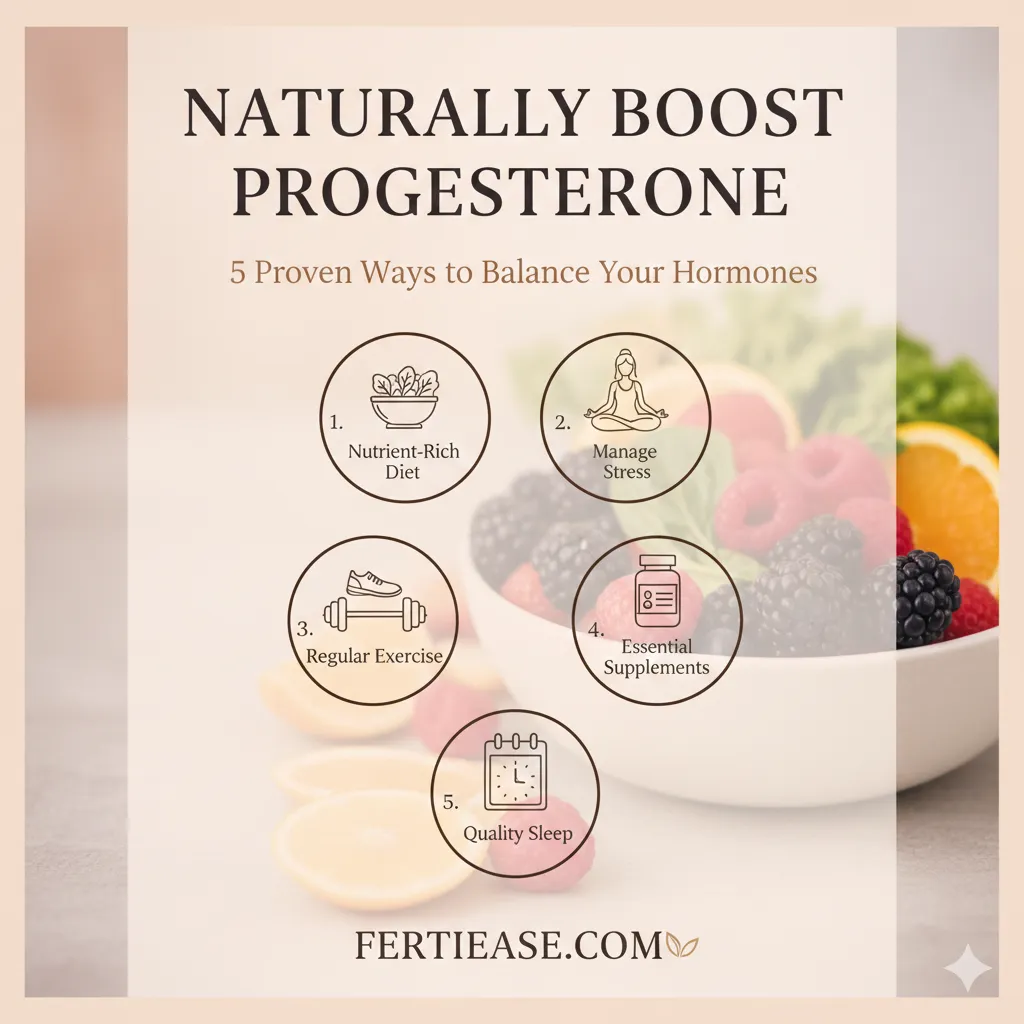
How To Boost Progesterone Naturally Science Backed Methods For Balance 2 Fertiease
Progesterone acts as a calming agent in the body and counterbalances the effects of estrogen. When progesterone is low, estrogen may become dominant, leading to a condition known as estrogen dominance. This imbalance can cause a plethora of health issues.

Symptoms of Low Progesterone
Recognizing the signs of deficiency is the first step toward finding solutions. Common symptoms include:
Irregular menstrual cycles
Heavy or painful periods
Mood changes, anxiety, or depression
Low libido
Weight gain, particularly around the midsection
Dietary Changes to Support Progesterone Production
Your body needs specific nutrients to produce progesterone effectively. By adjusting your diet, you can create the building blocks for hormonal harmony.
Consume Nutrient-Dense Foods
Including foods rich in vitamins and minerals is essential when learning how to boost progesterone naturally.
Vitamin C Rich Foods: Studies have shown that increasing Vitamin C intake can improve progesterone levels. Foods like citrus fruits, broccoli, and bell peppers are excellent sources.
Zinc and Magnesium: These minerals are crucial for reproductive health. Zinc helps the pituitary gland release hormones, while magnesium helps manage stress, which in turn supports progesterone production.
Healthy Fats: Cholesterol is the precursor to all steroid hormones, including progesterone. Consuming healthy fats from avocados, olive oil, and nuts provides the raw material needed for hormone synthesis.
Lifestyle Adjustments for Hormonal Balance
Diet alone may not be enough. Your lifestyle choices heavily influence your endocrine system.
Manage Stress Effectively
Chronic stress increases the production of cortisol. When your body is constantly producing cortisol, it steals the raw materials needed to make progesterone, a phenomenon known as the “pregnenolone steal.”
To counter this, incorporate stress-management techniques into your daily routine:
Yoga and meditation
Deep breathing exercises
Spending time in nature
Maintain a Healthy Weight
Both underweight and overweight individuals can experience hormonal imbalances. Adipose tissue (fat) can affect estrogen levels, which indirectly impacts progesterone. Regular, moderate exercise helps maintain a healthy weight and lowers stress levels.
Herbs and Supplements
Several natural supplements can support progesterone production, but it is important to consult a healthcare provider before starting any new regimen.
Vitamin B6
Vitamin B6 is essential for progesterone synthesis and helps the liver metabolize estrogen efficiently. According to research from the National Institutes of Health, adequate B6 levels are crucial for maintaining the progesterone-estrogen balance.
Vitex (Chasteberry)
Vitex is a popular herb used to support the pituitary gland, which regulates ovulation and subsequent progesterone production.
Learn more about managing your fertile window in our guide to Ovulation Calculator.
Understand the relationship between hormones in our article on Understanding Estrogen.
Explore detailed research on hormonal health at PubMed.
Get insights on lifestyle impact from the Mayo Clinic.
Conclusion
Understanding how to boost progesterone naturally involves a holistic approach that includes nourishing your body with the right foods, managing stress, and making informed lifestyle choices. By focusing on these areas, you can support your body’s natural hormone production and improve your overall health and fertility.
What is your reaction to this article?

Penelope Smith is a certified fertility wellness coach and passionate advocate for natural conception with over 8 years of experience guiding couples on their TTC journeys. Drawing from her background in holistic nutrition and reproductive health counseling, she empowers women and men through evidence-based strategies, compassionate support, and practical lifestyle insights. A mother of two conceived naturally after her own fertility challenges, Penelope blends science, empathy, and real-world results in her writing. Her articles have helped thousands optimize ovulation, balance hormones, and embrace the emotional side of trying to conceive. Connect with her at hello@fertiease.com
VIEW AUTHOR PROFILE