
- 1. 🧠 What Does “Egg Quality” Actually Mean?
- 2. ⏳ Why Timing Matters for Egg Quality
- 3. 🌿 How to Improve Egg Quality Naturally (What Actually Helps)
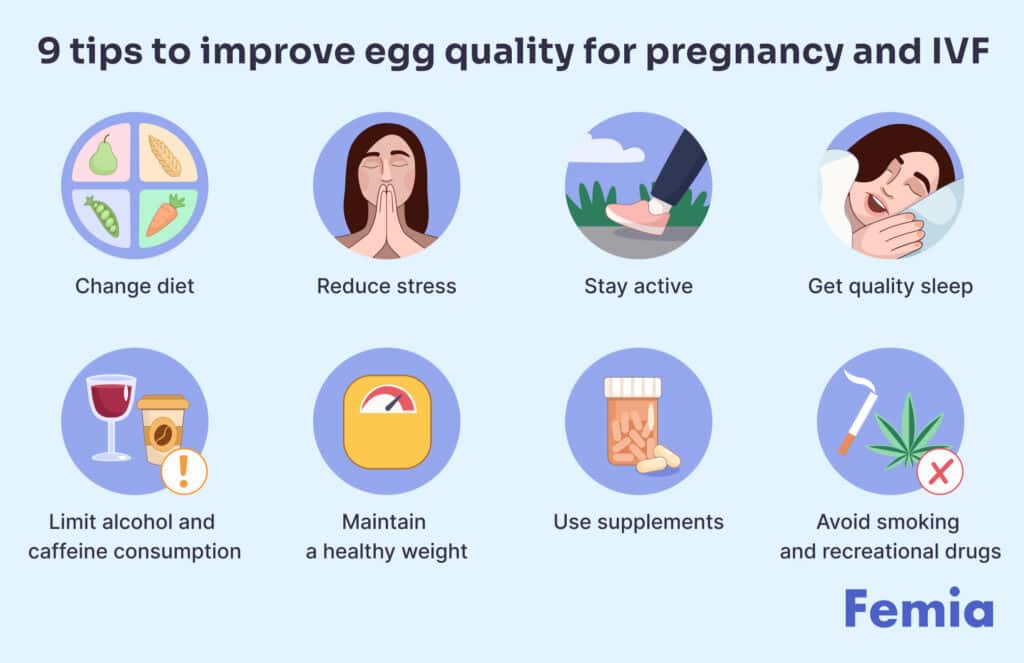
- 3.1. 1️⃣ Eat an Egg-Quality–Supporting Diet
- 3.2. 2️⃣ Balance Blood Sugar
- 3.3. 3️⃣ Prioritize Sleep (Seriously)
- 3.4. 4️⃣ Reduce Chronic Stress (Not All Stress)
- 3.5. 5️⃣ Support Mitochondrial Health
- 3.6. 6️⃣ Maintain a Healthy (Not Extreme) Body Weight
- 3.7. 7️⃣ Gentle, Consistent Exercise
- 3.8. 8️⃣ Limit Toxins & Endocrine Disruptors
- 4. 💊 Supplements That May Support Egg Quality (With Guidance)
- 5. 🚫 What Does NOT Improve Egg Quality
- 6. 🧬 Egg Quality vs AMH: Important Clarification
- 7. 🗓️ A Realistic Egg Quality Improvement Timeline
- 8. 🩺 When to Seek Additional Support
- 9. 🧠 Final Thoughts
How To Improve Egg Quality Naturally Evidence Based Ways To Support Fertility Fertiease
If you’re trying to conceive (TTC), especially after 30 or with concerns like low AMH, one question comes up again and again:
Can you improve egg quality naturally?
The honest answer is:
👉 You can’t create new eggs—but you can support the health and quality of the eggs you already have.
Egg quality plays a major role in fertilization, implantation, and early embryo development. The good news? Egg quality is influenced by lifestyle, nutrition, and metabolic health—and these factors are within your control.

In this guide, you’ll learn how to improve egg quality naturally, what actually helps (based on evidence), and how to build habits that support fertility without extremes.
🧠 What Does “Egg Quality” Actually Mean?
Egg quality refers to an egg’s ability to:
mature properly
fertilize successfully
divide normally
result in a healthy embryo
High-quality eggs have:
healthy mitochondria (energy production)
stable chromosomes
low oxidative stress
Egg quality matters more than egg quantity for most natural conceptions.
⏳ Why Timing Matters for Egg Quality
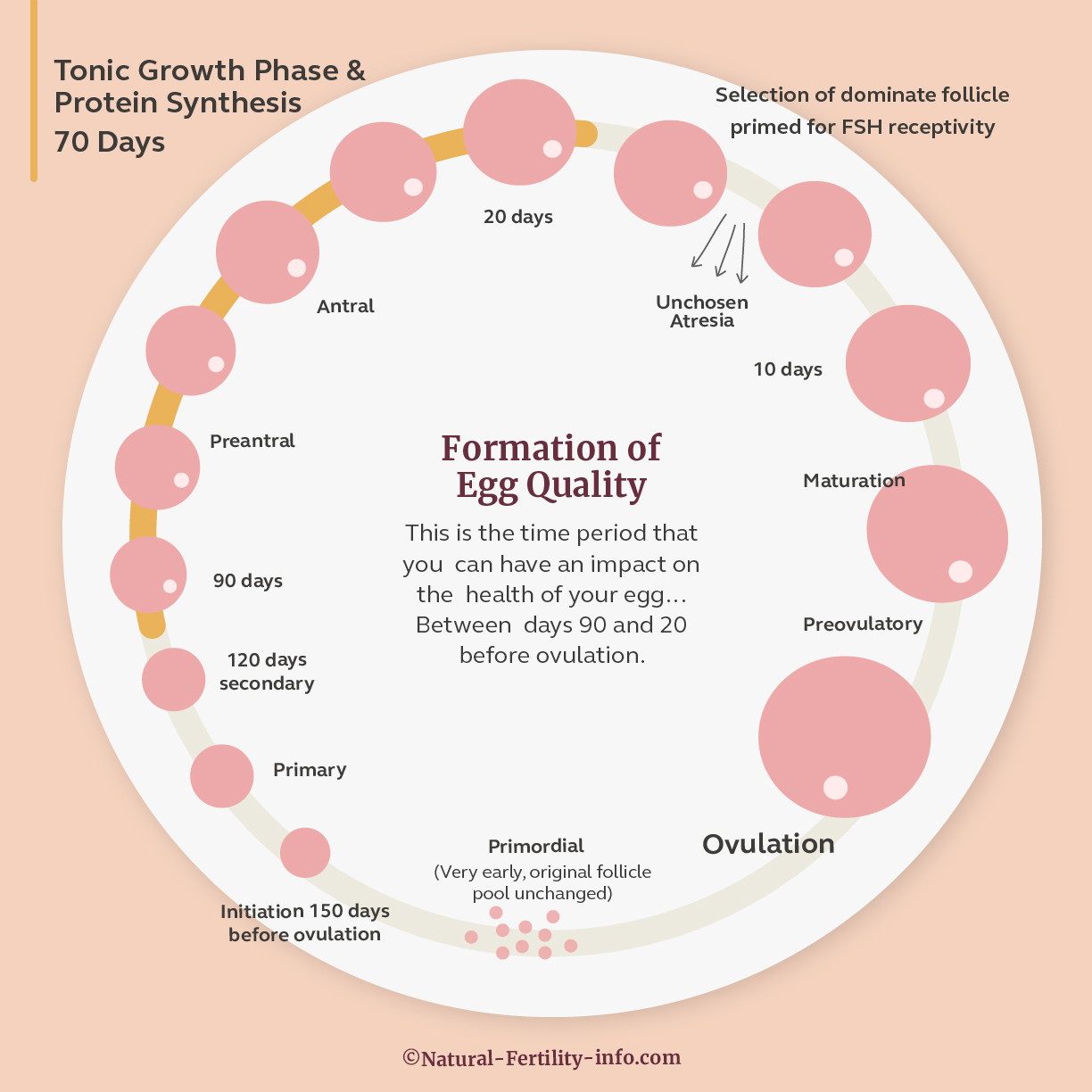
Eggs take about 90 days to mature before ovulation.
That means the choices you make today influence the eggs you’ll ovulate in 2–3 months, not immediately.
👉 Consistency over time is the key.
🌿 How to Improve Egg Quality Naturally (What Actually Helps)
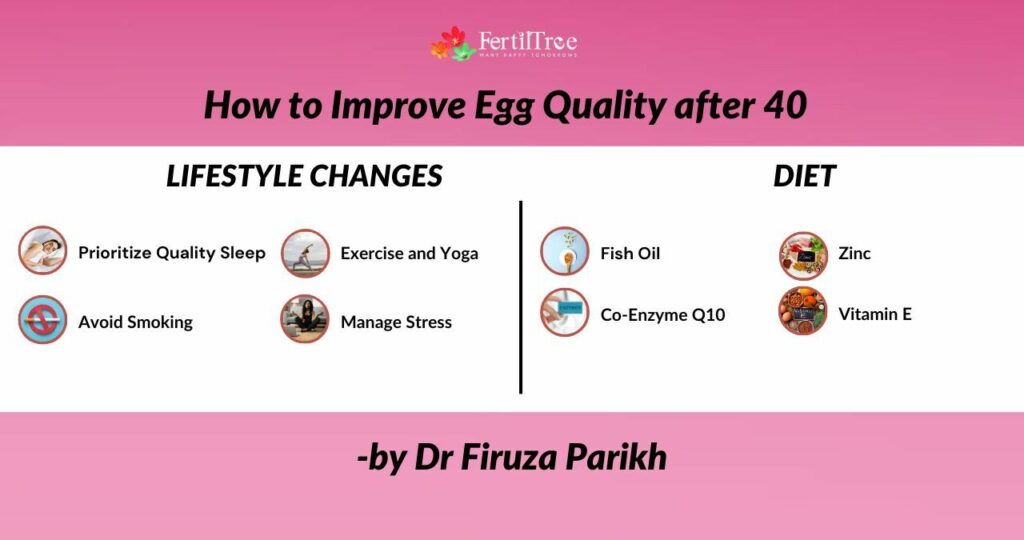
1️⃣ Eat an Egg-Quality–Supporting Diet
Nutrition directly affects cellular health.
Focus on:
Leafy greens (folate, antioxidants)
Fatty fish (omega-3s)
Eggs (choline, protein)
Berries (oxidative stress protection)
Olive oil & avocado (healthy fats)
Avoid:
Trans fats
Ultra-processed foods
Excess sugar
📌 Related read:
👉 Foods That Support Fertility Naturally
2️⃣ Balance Blood Sugar
Insulin resistance negatively affects egg quality—even without PCOS.
Helpful habits:
Pair carbs with protein & fat
Avoid extreme dieting
Eat regularly
Choose whole grains over refined carbs
Stable blood sugar = better hormone signaling = healthier ovulation.
3️⃣ Prioritize Sleep (Seriously)
Sleep is often underestimated in fertility.
Why it matters:
Hormones regulate overnight
Poor sleep increases oxidative stress
Sleep deprivation disrupts ovulation
Aim for:
👉 7–9 hours of quality sleep
This is one of the most powerful free fertility tools.
4️⃣ Reduce Chronic Stress (Not All Stress)
Stress doesn’t “cause” infertility—but chronic stress can:
disrupt ovulation
increase cortisol
reduce progesterone
Helpful stress support:
Gentle movement (walking, yoga)
Breathwork
Time outside
Letting go of TTC perfectionism
📌 Related read:
👉 Fertility Myths vs Reality
5️⃣ Support Mitochondrial Health
Eggs rely heavily on mitochondria for energy.
Support naturally by:
Avoiding smoking
Limiting alcohol
Reducing toxin exposure
Eating antioxidant-rich foods
This is especially important after 35.
6️⃣ Maintain a Healthy (Not Extreme) Body Weight
Both under-eating and over-eating can impact egg quality.
The goal:
Nutrient sufficiency
Hormonal balance
Avoid:
❌ crash dieting
❌ extreme calorie restriction
Fertility thrives in nourishment, not deprivation.
7️⃣ Gentle, Consistent Exercise
Movement supports circulation and insulin sensitivity.
Best options:
Walking
Pilates
Yoga
Strength training (moderate)
Avoid:
Overtraining
Excessive HIIT
Chronic exhaustion
Your body needs energy to ovulate well.
8️⃣ Limit Toxins & Endocrine Disruptors
Certain chemicals affect hormone signaling.
Reduce exposure to:
BPA (plastic containers)
Phthalates (fragrances)
Pesticides (wash produce well)
Small changes compound over time.
💊 Supplements That May Support Egg Quality (With Guidance)
While this guide focuses on natural methods, some supplements are commonly discussed for egg quality support:
Prenatal vitamin with methylated folate
Omega-3 fatty acids
Vitamin D (if deficient)
CoQ10 (especially after 30–35)
📌 Related reads:
👉 TTC Vitamins: What Actually Works?
👉 Best Fertility Supplements
⚠️ Supplements support—they don’t replace lifestyle foundations.
🚫 What Does NOT Improve Egg Quality
Be cautious of:
❌ “Egg rejuvenation” claims
❌ Extreme detox protocols
❌ Hormone manipulation without medical guidance
❌ Promises of instant results
Egg quality improves through biology, not hacks.
🧬 Egg Quality vs AMH: Important Clarification
AMH measures quantity, not quality.
You can:
have low AMH and good egg quality
have normal AMH and poor egg quality
📌 Related read:
👉 Low AMH: Can You Still Get Pregnant?
This is why egg quality support matters for everyone.
🗓️ A Realistic Egg Quality Improvement Timeline
| Time Frame | What’s Happening |
|---|---|
| 0–30 days | Hormonal environment improves |
| 30–60 days | Mitochondrial & metabolic support |
| 60–90 days | Egg maturation reflects lifestyle |
| 90+ days | Full impact seen |
Think in months, not weeks.
🩺 When to Seek Additional Support
Consider professional guidance if:
Over 35 and TTC for 6 months
Irregular or absent ovulation
Low AMH or recurrent loss
Known conditions (PCOS, thyroid issues)
Lifestyle support works best alongside informed care.
🧠 Final Thoughts
So—how to improve egg quality naturally?
👉 Support your body consistently
👉 Nourish, don’t punish
👉 Think long-term, not instant results
Egg quality responds to care, stability, and time.
You don’t need perfect habits.
You need supportive ones—repeated consistently.
Your eggs are listening to how you treat your body today.
Give them what they need.
What is your reaction to this article?

Here is a professional English bio for Dr. Elizabeth Williams, Obstetrician-Gynecologist: Dr. Elizabeth Williams, MD, FACOG, is a board-certified obstetrician-gynecologist with over 15 years of experience providing compassionate, evidence-based women’s healthcare. She earned her medical degree from Johns Hopkins University School of Medicine and completed her residency in Obstetrics and Gynecology at Massachusetts General Hospital, Harvard Medical School, where she served as Chief Resident. Dr. Williams specializes in high-risk pregnancies, minimally invasive gynecologic surgery, adolescent gynecology, and menopause management. Known for her warm bedside manner and clear communication, she is dedicated to empowering her patients through every stage of life, from prenatal care and childbirth to preventive wellness and complex gynecologic conditions. In addition to her clinical practice, Dr. Williams is actively involved in medical education and has published research on preeclampsia, labor induction, and robotic-assisted surgery. She is a Fellow of the American College of Obstetricians and Gynecologists (FACOG) and a member of the Society for Maternal-Fetal Medicine. Patients describe Dr. Williams as “attentive, knowledgeable, and truly caring,” and she is proud to deliver hundreds of babies each year while building long-term relationships with the families she serves. Dr. Williams practices in [City/State] and is affiliated with [Hospital Name]. She welcomes new patients and offers both in-person and telemedicine appointments.
VIEW AUTHOR PROFILE