

- 1. What Is Intermittent Fasting?
- 2. Top Benefits of Intermittent Fasting
- 2.1. 1. Supports Weight Management
- 2.2. 2. Improves Energy and Focus
- 2.3. 3. Supports Healthy Blood Sugar Levels
- 2.4. 4. Helps Reduce Inflammation
- 2.5. 5. May Support Longevity
- 3. Common Side Effects (Especially for Beginners)
- 4. Who Should Avoid Intermittent Fasting?
- 5. How to Start Intermittent Fasting (Beginner Plan)
- 5.1. Step 1: Start With 14/10
- 5.2. Step 2: Move to 16/8 If Comfortable
- 5.3. Step 3: Stay Hydrated
- 5.4. Step 4: Keep Meals Balanced
- 5.5. Step 5: Be Consistent
- 6. Tips to Maximize Results
- 7. Conclusion
Intermittent fasting (IF) has become one of the most popular wellness trends, especially among people looking for sustainable weight control and better energy levels. Instead of focusing on what you eat, intermittent fasting focuses on when you eat — making it simple, flexible, and easy to integrate into daily life.
This guide breaks down everything beginners should know: how it works, benefits, possible side effects, fasting schedules, and tips to start safely.
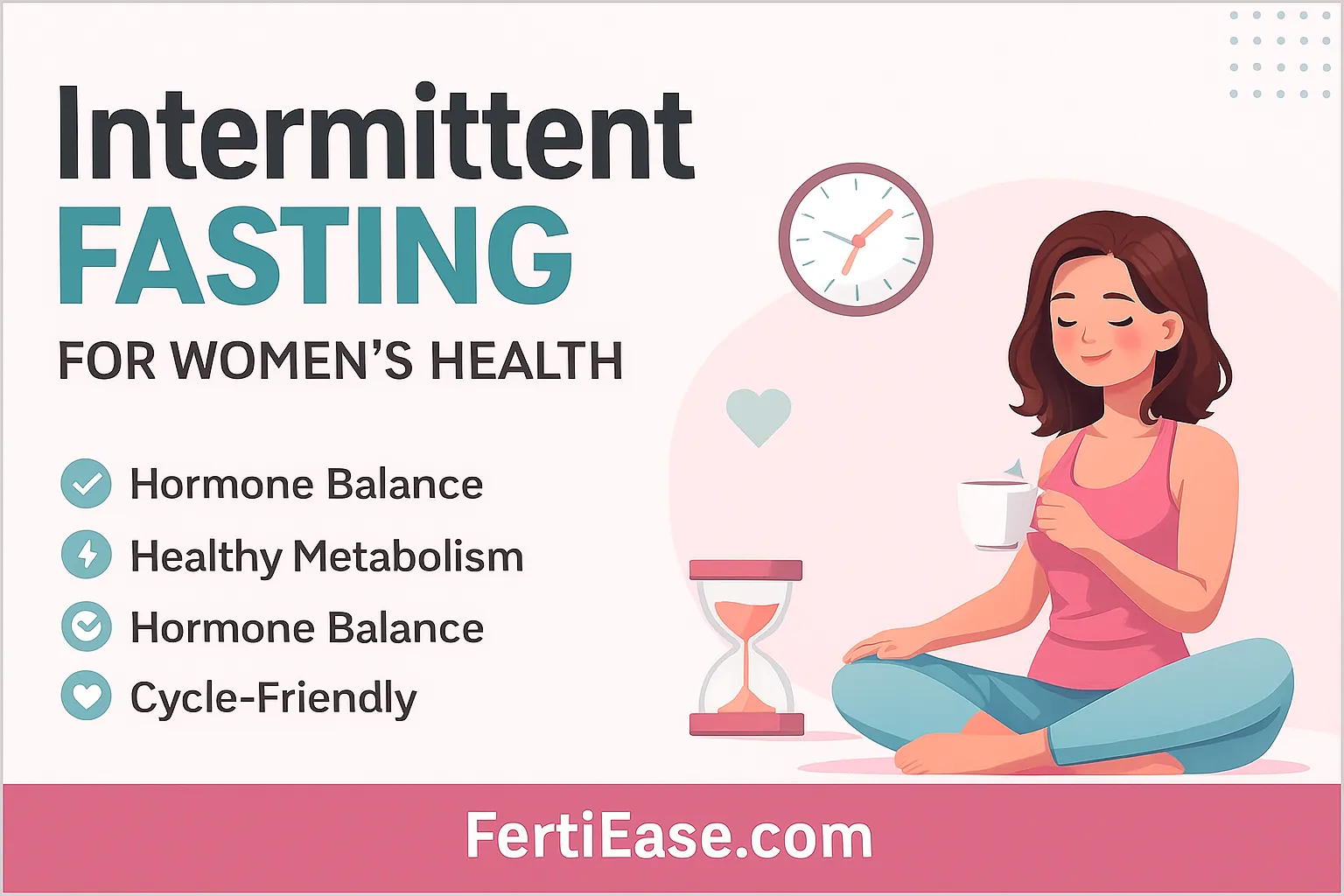

What Is Intermittent Fasting?
Intermittent fasting is an eating pattern that cycles between periods of eating and fasting. It doesn’t restrict specific foods. Instead, it gives your body structured breaks to support metabolic balance, digestion, and cellular repair.
Popular IF schedules include:
16/8 method: Fast 16 hours, eat in an 8-hour window
14/10 method: Beginner-friendly, fast 14 hours
OMAD: One meal a day (advanced)
5:2 method: Eat normally 5 days, reduce calories on 2 days
Top Benefits of Intermittent Fasting
While results vary from person to person, many people experience noticeable improvements after a few weeks.
1. Supports Weight Management
Fasting naturally reduces the eating window, which may help beginners avoid unnecessary snacking and overeating without strict dieting.
2. Improves Energy and Focus
Many individuals report better clarity and steady energy once their body adapts to fasting cycles.
3. Supports Healthy Blood Sugar Levels
Short fasting periods give the body time to regulate glucose more efficiently.
4. Helps Reduce Inflammation
Fasting periods are linked to improved cellular repair processes.
5. May Support Longevity
Some studies suggest that structured fasting can help the body maintain a healthier metabolic rhythm.
Common Side Effects (Especially for Beginners)
Intermittent fasting is generally well-tolerated, but in the first days, some people may experience:
Temporary hunger or cravings
Mild headaches
Low energy
Irritability
Difficulty focusing
These usually improve as the body adjusts.
Who Should Avoid Intermittent Fasting?
Intermittent fasting may not be suitable for everyone. People with chronic medical conditions, pregnant individuals, or those with a history of eating disorders should avoid fasting unless they have guidance from a professional.
How to Start Intermittent Fasting (Beginner Plan)
Here is a simple beginner routine:
Step 1: Start With 14/10
Eat within a 10-hour window (for example, 10 AM to 8 PM).
This helps your body adapt without stress.
Step 2: Move to 16/8 If Comfortable
Once adjusted, try shortening the eating window to 8 hours.
Step 3: Stay Hydrated
Water, black coffee, and unsweetened tea support the fasting phase.
Step 4: Keep Meals Balanced
Focus on easy-to-digest foods:
Lean proteins
Whole grains
Fruits & vegetables
Healthy fats
Step 5: Be Consistent
The key to results is regularity — not perfection.
Tips to Maximize Results
Don’t break your fast with sugary foods
Eat enough protein to avoid muscle loss
Avoid heavy late-night meals
Sleep 7–9 hours
Track what feels best for your body
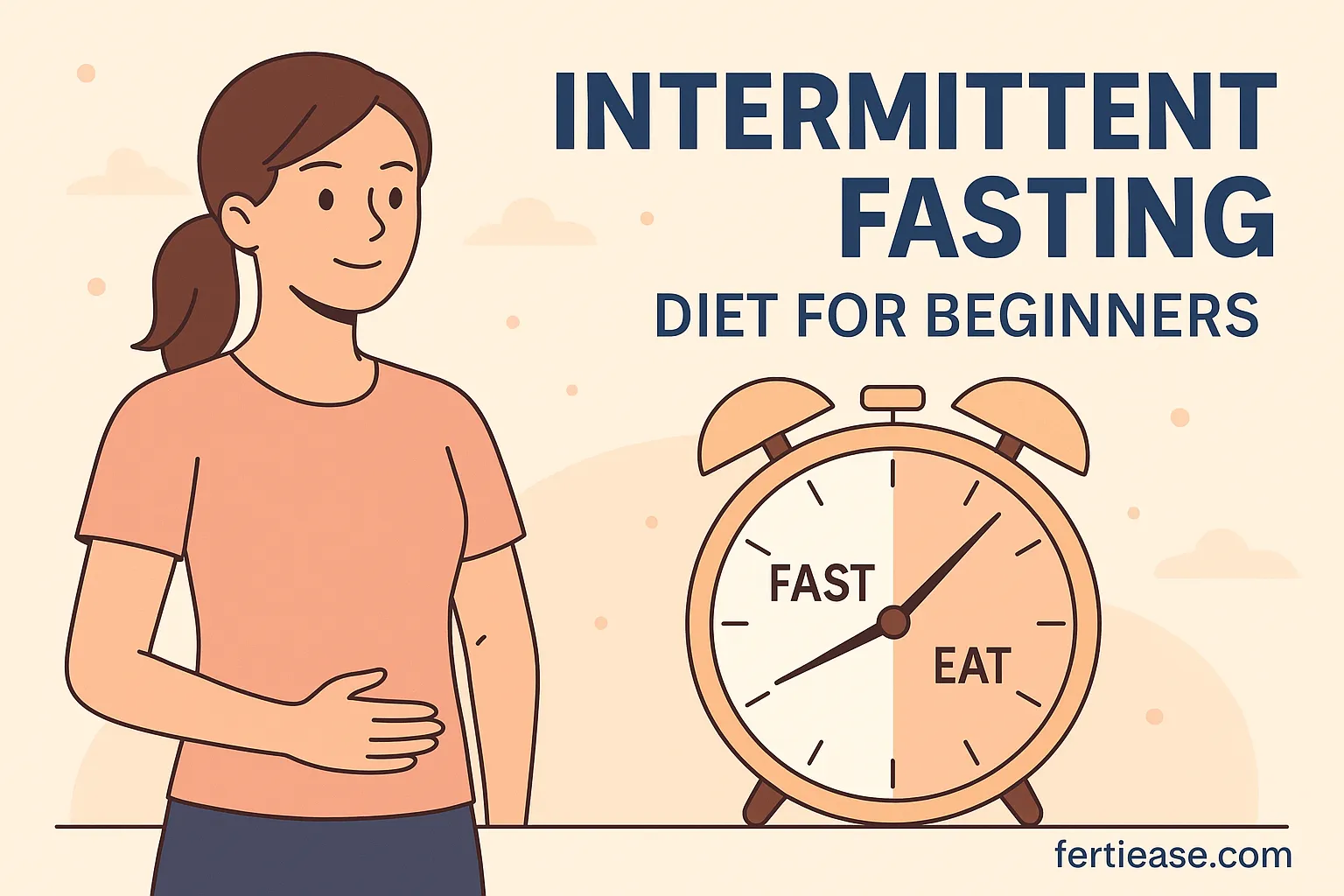
Conclusion
Intermittent fasting is one of the simplest wellness habits to start. With flexible schedules and easy adjustments, it fits naturally into most lifestyles. As long as beginners ease into it and listen to their bodies, IF can support better energy, improved eating habits, and a balanced routine.
What is your reaction to this article?

Hi, I’m Mary! I’m a women’s health educator, certified Fertility Awareness Method (FAM) instructor, and a total cycle nerd who’s been charting my own cycles for over a decade. After ditching hormonal birth control in my mid-20s and realizing how little I actually knew about my body, I dove head-first into the science of natural fertility tracking. What started as a personal experiment turned into a full-on passion: helping women reclaim their cycles, conceive confidently, or avoid pregnancy without side effects. When I’m not geeking out over cervical mucus patterns or BBT charts, you’ll find me sipping herbal tea, tending my (slightly chaotic) houseplant jungle, or walking my rescue dog with a podcast in my ears. I believe knowledge is power, and understanding your cycle is one of the kindest things you can do for yourself. Thanks for being here — let’s decode your body together! 🌿
VIEW AUTHOR PROFILE