
- 1. 🧠 What Is AMH (Anti-Müllerian Hormone)?
- 2. 📉 What Is Considered “Low AMH”?
- 3. ❓ Low AMH: Can You Still Get Pregnant?
- 3.1. Short answer: Yes—many women with low AMH get pregnant.
- 3.2. ✅ AMH does NOT predict natural conception well
- 3.3. ✅ Egg quality matters more than egg count
- 3.4. ✅ AMH is most predictive for IVF response
- 4. 🧠 Common Myths About Low AMH (Debunked)
- 4.1. ❌ Myth: “Low AMH means early menopause”
- 4.2. ❌ Myth: “Low AMH means infertility”
- 4.3. ❌ Myth: “You must do IVF immediately”
- 5. 🧬 What Low AMH Actually Affects
- 6. ⏳ Age + Low AMH: Why Context Is Everything
- 6.1. 🔹 Under 35 with Low AMH
- 6.2. 🔹 Over 35 with Low AMH
- 7. 🌿 How to Support Fertility With Low AMH
- 7.1. 1️⃣ Focus on Egg Quality Support
- 7.2. 2️⃣ Smart Supplement Strategy
- 7.3. 3️⃣ Track Ovulation Precisely
- 7.4. 4️⃣ Don’t Ignore Male Fertility
- 8. 🧪 When to Consider Medical Guidance
- 9. 💛 Emotional Impact of a Low AMH Diagnosis
- 10. 🧠 What Actually Improves Your Chances With Low AMH
- 11. 🔗 Internal Links (Cluster Support)
- 12. 🧠 Final Thoughts
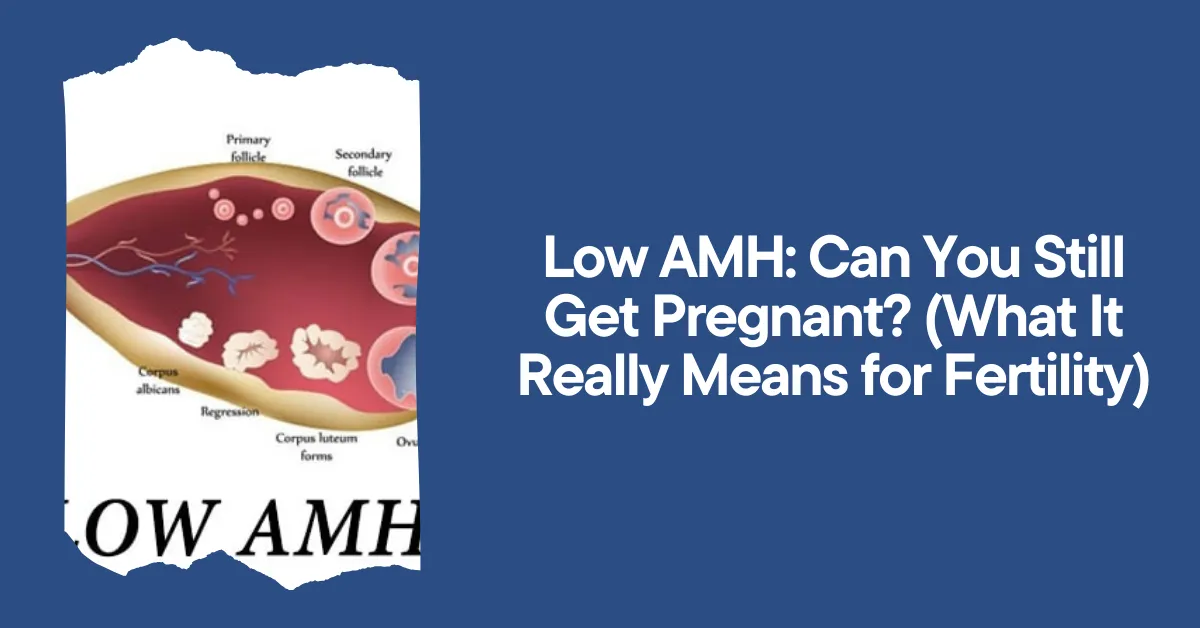
Low AMH Can You Still Get Pregnant What It Really Means For Fertility Fertiease
If you’ve been told you have low AMH, it can feel devastating—especially if you’re trying to conceive (TTC). Many women immediately assume low AMH means pregnancy isn’t possible. But here’s the truth:
👉 Low AMH does NOT mean you can’t get pregnant.
It does provide information—but it’s often misunderstood and overstated. In this guide, we’ll explain what low AMH actually means, what it doesn’t, your real chances of pregnancy, and how to approach TTC with clarity instead of fear.

🧠 What Is AMH (Anti-Müllerian Hormone)?
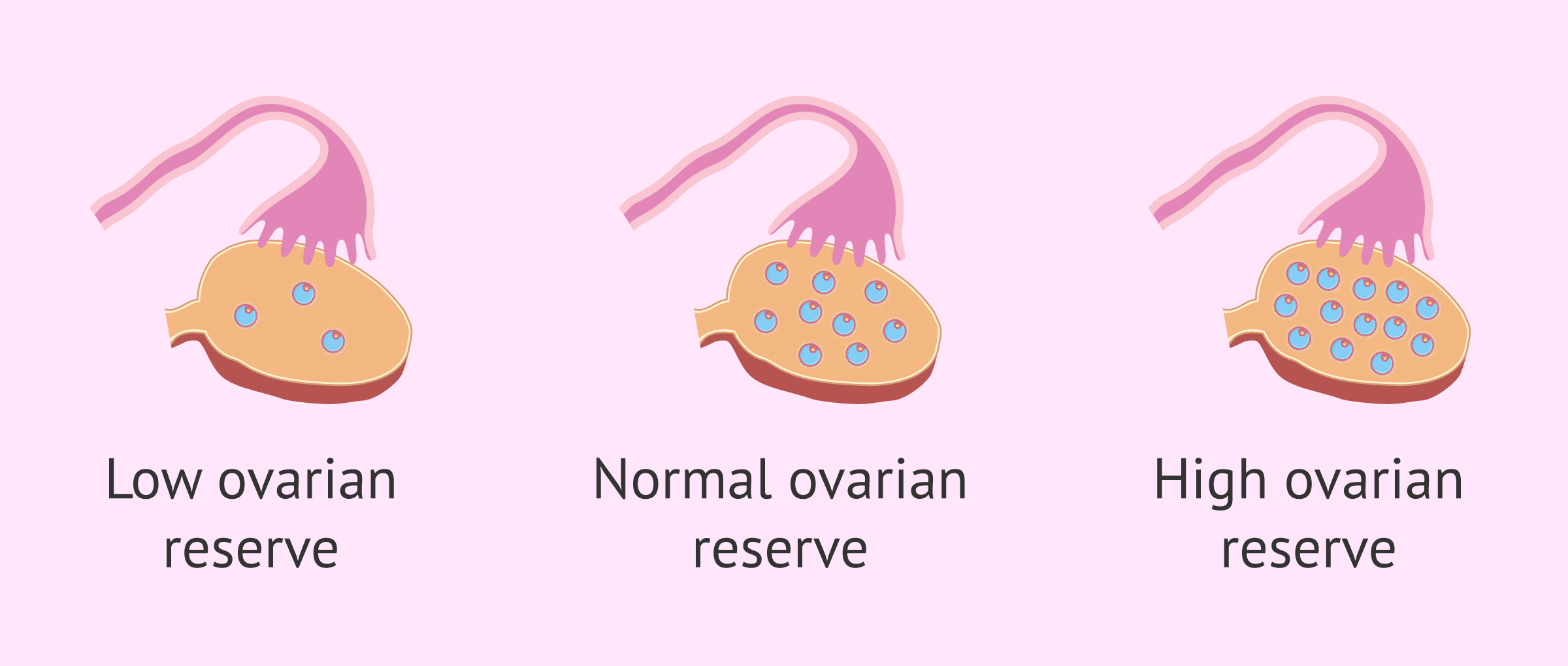
AMH is a hormone produced by small follicles in the ovaries. Doctors use it to estimate ovarian reserve, meaning how many eggs remain—not how good those eggs are.
Key point:
AMH = quantity indicator
AMH ≠ egg quality
AMH ≠ ability to get pregnant naturally
This distinction changes everything.
📉 What Is Considered “Low AMH”?
While ranges vary by lab and age, general guidelines are:
| AMH Level | Interpretation |
|---|---|
| >1.0 ng/mL | Average |
| 0.5–1.0 ng/mL | Low |
| <0.5 ng/mL | Very Low |
But context matters. A “low” AMH at 42 means something very different than a “low” AMH at 30.
❓ Low AMH: Can You Still Get Pregnant?


Short answer: Yes—many women with low AMH get pregnant.
Here’s why:
✅ AMH does NOT predict natural conception well
Research shows AMH is poor at predicting spontaneous pregnancy. Women with low AMH conceive naturally every day—especially if they ovulate regularly.
✅ Egg quality matters more than egg count
You only need one healthy egg to get pregnant. AMH does not measure egg quality, chromosomal health, or implantation potential.
✅ AMH is most predictive for IVF response
AMH is useful for estimating:
how many eggs may be retrieved during IVF
medication response
It is not a fertility verdict.
🧠 Common Myths About Low AMH (Debunked)
❌ Myth: “Low AMH means early menopause”
Reality:
Low AMH does not predict when menopause will occur with accuracy.
❌ Myth: “Low AMH means infertility”
Reality:
Low AMH means fewer eggs—not zero eggs. Fertility is still possible.
❌ Myth: “You must do IVF immediately”
Reality:
Many women with low AMH conceive naturally, especially if cycles are regular.
📌 Related read:
👉 Fertility Myths vs Reality (Evidence-Based)
🧬 What Low AMH Actually Affects
Low AMH may mean:
Fewer ovulatory cycles left overall
Potentially shorter fertility window
Less margin for delay
But it does not automatically affect:
monthly ovulation
ability to conceive in the near term
ability to carry a pregnancy
This is why timing and strategy matter more than panic.
⏳ Age + Low AMH: Why Context Is Everything
🔹 Under 35 with Low AMH
Natural pregnancy is very possible
Egg quality is often still strong
Time matters—but urgency ≠ panic
🔹 Over 35 with Low AMH
Egg quantity + quality both matter
Conception may take longer
Earlier guidance can be helpful
📌 Related read:
👉 Trying to Conceive After 35: What Changes?
🌿 How to Support Fertility With Low AMH
You can’t increase egg count—but you can support overall fertility and egg quality.
1️⃣ Focus on Egg Quality Support
Helpful strategies include:
Antioxidant-rich nutrition
Omega-3 fatty acids
Adequate sleep
Stress management
📌 Related read:
👉 Foods That Support Fertility Naturally
2️⃣ Smart Supplement Strategy
Commonly discussed options (with provider guidance):
Prenatal with methylated folate
Vitamin D (if deficient)
Omega-3 (DHA + EPA)
CoQ10 (often recommended for low AMH)
📌 Related reads:
👉 TTC Vitamins: What Actually Works?
👉 How Long Should You Take Supplements Before TTC?
⚠️ Supplements support—they don’t reverse AMH.
3️⃣ Track Ovulation Precisely
With fewer eggs overall, timing matters more.
Tools:
Ovulation predictor kits (OPKs)
Basal body temperature (BBT)
Cervical mucus tracking
Consistency > perfection.
4️⃣ Don’t Ignore Male Fertility
When egg quantity is lower, sperm quality becomes even more important.
📌 Related read:
👉 TTC Supplements for Men
🧪 When to Consider Medical Guidance
You may benefit from earlier evaluation if:
Over 35 with low AMH
TTC for 6 months without success
Cycles are irregular
History of miscarriage
This doesn’t mean IVF is required—it means information is power.
Possible next steps:
Cycle monitoring
Hormone testing
Ultrasound
Semen analysis
💛 Emotional Impact of a Low AMH Diagnosis
Low AMH often causes:
Fear
Urgency
Grief over perceived loss of time
These feelings are valid—but they don’t define your outcome.
Remember:
Low AMH is information, not a sentence.
Many pregnancies happen after discouraging test results.
🧠 What Actually Improves Your Chances With Low AMH
✔ Timely attempts
✔ Accurate ovulation tracking
✔ Nutrition and lifestyle support
✔ Partner involvement
✔ Evidence-based decisions
✔ Emotional support
Not panic.
Not comparison.
Not extreme measures without context.
🔗 Internal Links (Cluster Support)
👉 Trying to Conceive After 35
👉 Best Fertility Supplements
👉 Foods That Support Fertility Naturally
👉 Fertility Myths vs Reality
🧠 Final Thoughts
So—low AMH: can you still get pregnant?
👉 Yes. Absolutely.
Low AMH tells you about quantity, not possibility.
It invites intentional action, not fear.
You don’t need many eggs.
You need the right one—at the right time—with the right support.
Your fertility journey is not over.
It’s simply asking for clarity, strategy, and compassion.
What is your reaction to this article?

Penelope Smith is a certified fertility wellness coach and passionate advocate for natural conception with over 8 years of experience guiding couples on their TTC journeys. Drawing from her background in holistic nutrition and reproductive health counseling, she empowers women and men through evidence-based strategies, compassionate support, and practical lifestyle insights. A mother of two conceived naturally after her own fertility challenges, Penelope blends science, empathy, and real-world results in her writing. Her articles have helped thousands optimize ovulation, balance hormones, and embrace the emotional side of trying to conceive. Connect with her at hello@fertiease.com
VIEW AUTHOR PROFILE