
- 1. 🌱 What “Core” Training Means During Pregnancy
- 2. 🤰 Why Pregnancy Core Workouts Matter
- 3. ⚠️ The Golden Rule of Pregnancy Core Training
- 4. ✅ What’s SAFE in Pregnancy Core Workouts
- 4.1. 1. Diaphragmatic Breathing
- 4.2. 2. Pelvic Tilts
- 4.3. 3. Modified Bird Dog
- 4.4. 4. Seated Core Engagement
- 4.5. 5. Supported Squats
- 5. ❌ What’s NOT SAFE in Pregnancy Core Workouts
- 5.1. 2. Long or Traditional Planks
- 5.2. 3. Exercises That Cause Doming or Coning
- 5.3. 4. Twisting Under Load
- 5.4. 5. Breath-Holding Core Moves
- 6. 🕒 Pregnancy Core Workouts by Trimester
- 6.1. First Trimester
- 6.2. Second Trimester
- 6.3. Third Trimester
- 7. 🧠 How the Pelvic Floor Fits In
- 8. 🚨 When to Stop Core Exercises and Get Help
- 9. 📌 Related Articles (Internal Linking)
- 10. ✅ Final Thoughts
Many women want to stay strong during pregnancy but feel confused about pregnancy core workouts. One article says “do planks,” another says “never train abs,” and social media often shows unrealistic examples that don’t explain what’s actually safe.
The truth is simple: core training during pregnancy is important—but it must be done correctly.
In this guide, you’ll learn what core exercises are safe, what’s not, why some popular moves can be risky, and how to support your body without increasing pressure on your abdomen or pelvic floor.

Pregnancy Core Workouts Whats Safe Whats Not Expert Backed Guide 1 Fertiease
🌱 What “Core” Training Means During Pregnancy
During pregnancy, the core is not just abs. It includes:
Deep abdominal muscles (transverse abdominis)
Pelvic floor
Diaphragm
Lower back muscles
Healthy pregnancy core workouts focus on support, stability, and breathing, not flattening the stomach.
🤰 Why Pregnancy Core Workouts Matter
Safe core training during pregnancy can:
Reduce lower back pain
Improve posture
Support the growing belly
Prevent excessive abdominal separation
Improve balance
Support labor and postpartum recovery
Ignoring the core—or training it incorrectly—can lead to discomfort and longer recovery after birth.
⚠️ The Golden Rule of Pregnancy Core Training
Before we list exercises, remember this rule:
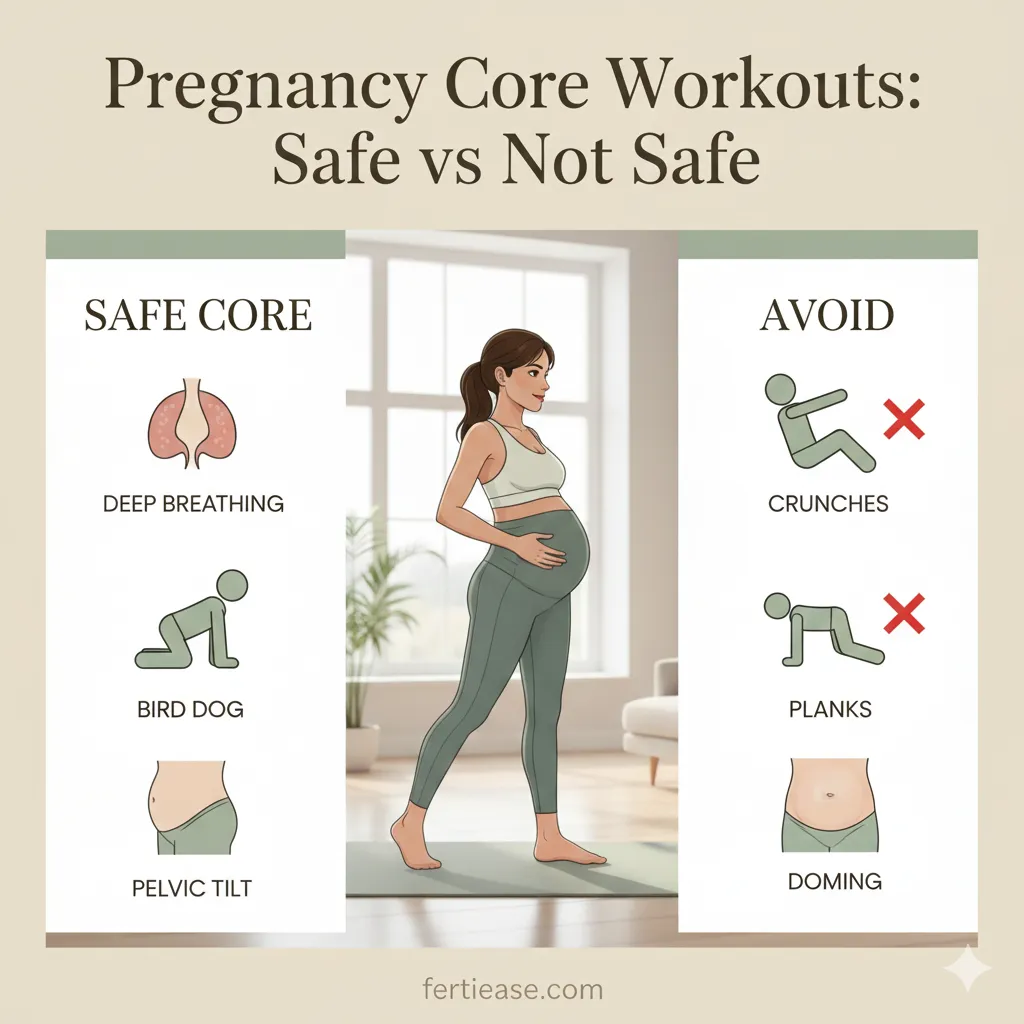
If an exercise causes abdominal doming, bulging, pain, or breath-holding — it’s not safe for you right now.
Every pregnancy is different. Safety always beats intensity.
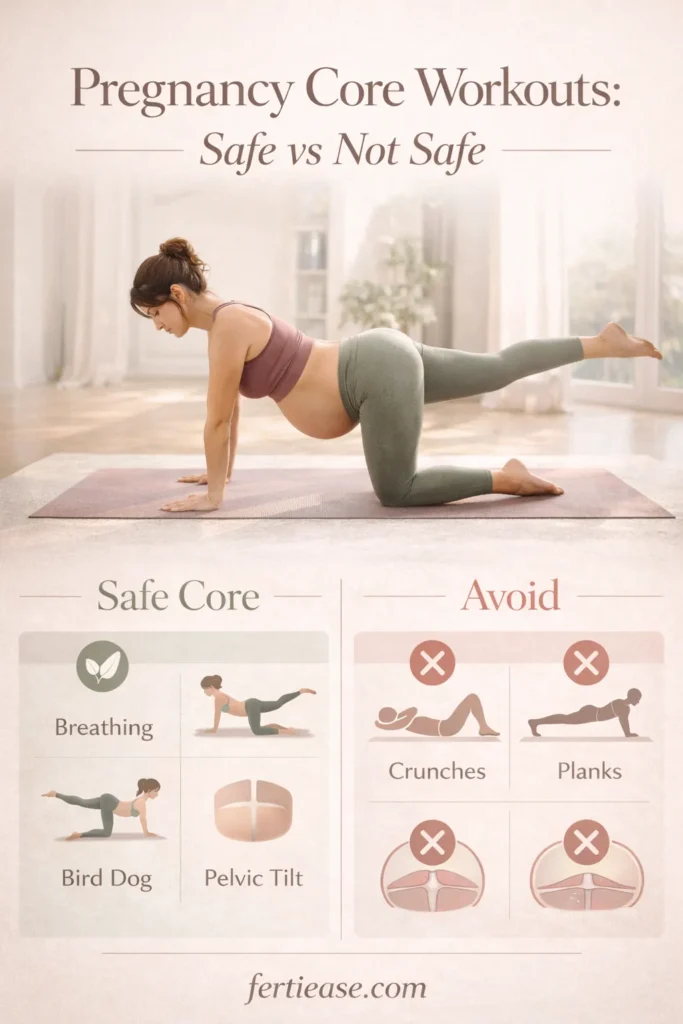
✅ What’s SAFE in Pregnancy Core Workouts
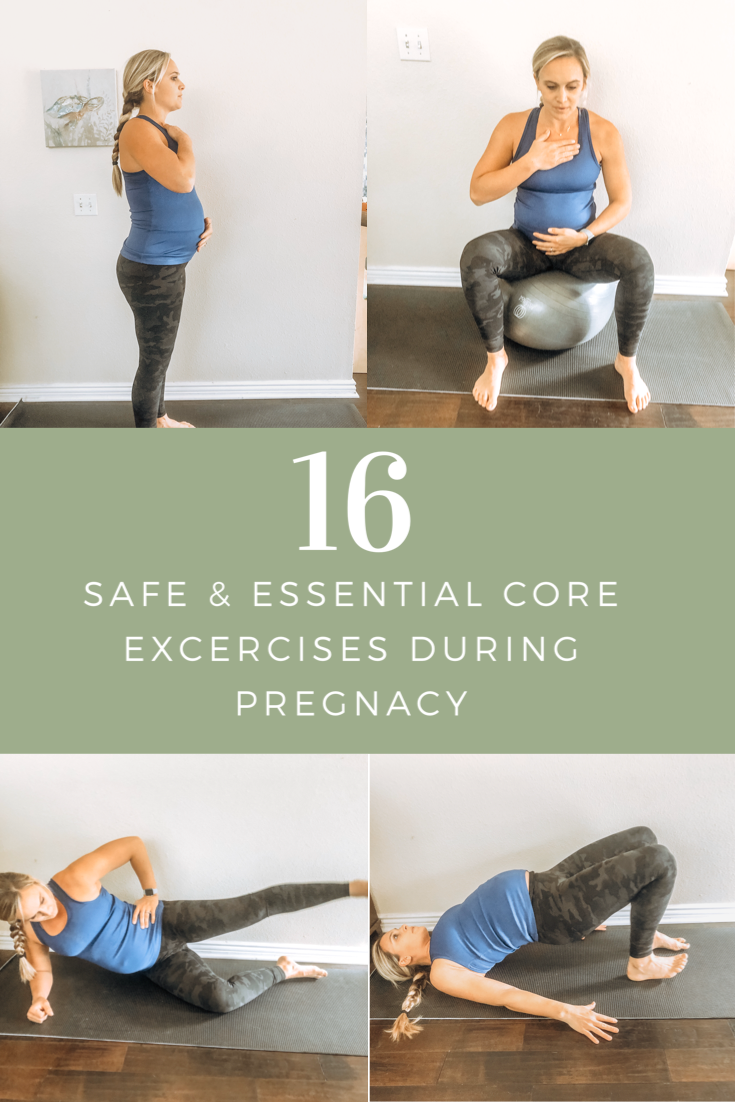
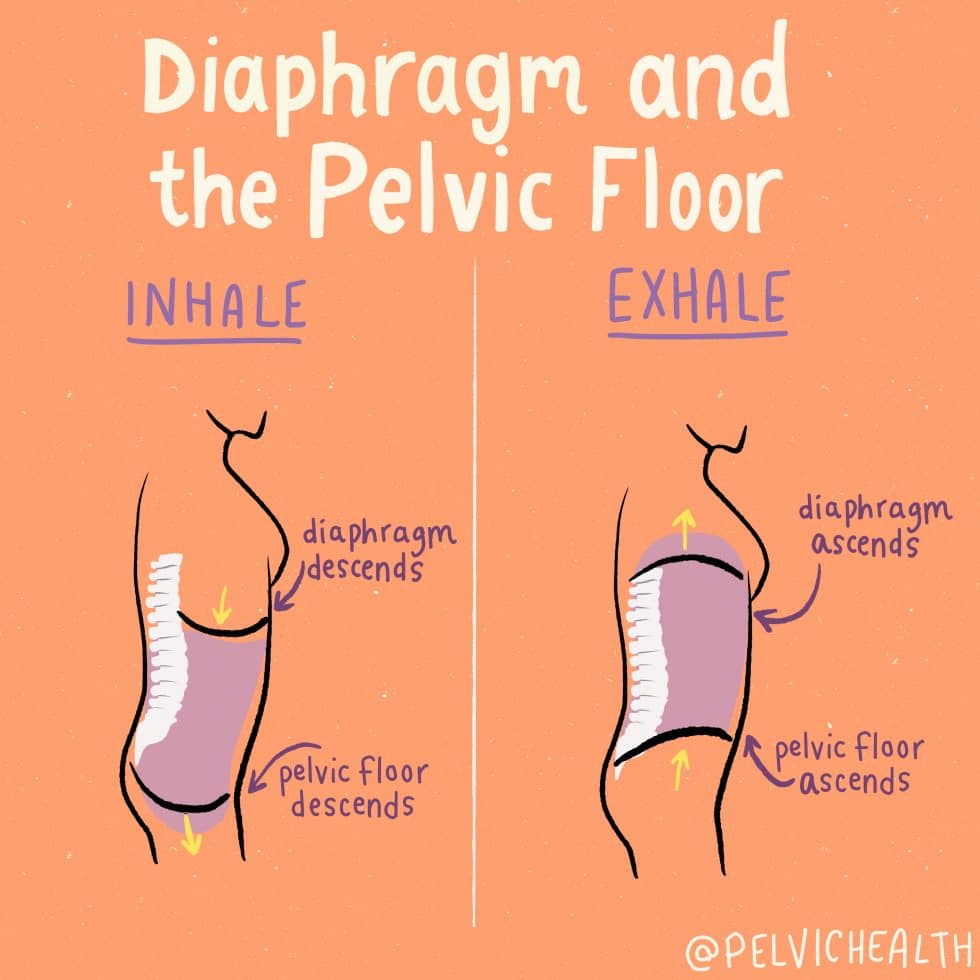
1. Diaphragmatic Breathing
This is the foundation of all safe pregnancy core workouts.
Why it’s safe:
Activates deep core muscles
Coordinates pelvic floor function
Reduces pressure on the abdomen
Breathing properly matters more than any single exercise.
2. Pelvic Tilts
Pelvic tilts gently engage the deep core while relieving back tension.
Benefits:
Improves spinal alignment
Reduces lower back pain
Builds core awareness
They can be done standing, seated, or on hands and knees.
3. Modified Bird Dog
Performed on hands and knees with slow, controlled movement.
Why it works:
Strengthens deep core muscles
Improves balance
Minimizes abdominal pressure
Always move with breath and control.
4. Seated Core Engagement
Sitting upright on a chair or exercise ball:
Gently engage the core
Maintain neutral posture
Focus on breathing
This is ideal for all trimesters.
5. Supported Squats
Squats activate the core indirectly and functionally.
Why they’re safe:
Engage pelvic floor naturally
Prepare the body for labor
Improve posture and strength
Use support as needed for balance.
❌ What’s NOT SAFE in Pregnancy Core Workouts


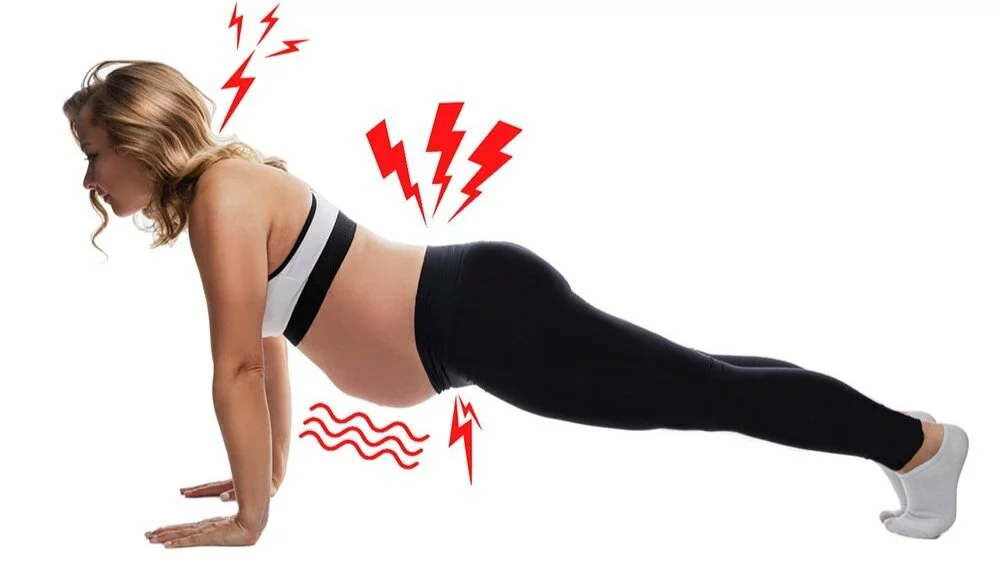
These exercises:
Increase intra-abdominal pressure
Force the abs outward
Stress the connective tissue
They significantly increase the risk of worsening abdominal separation.
2. Long or Traditional Planks
Planks often look controlled but create high internal pressure.
Common warning signs:
Abdominal coning
Breath-holding
Pelvic pressure
📌 Related read:
👉 [Is Plank Safe During Pregnancy? 7 Powerful Facts Every Mom-to-Be Should Know]
3. Exercises That Cause Doming or Coning
Doming is a visible ridge along the midline of the belly.
This means:
Pressure is not being managed properly
The core is under too much strain
Any exercise causing this should be modified or stopped.
4. Twisting Under Load
Heavy rotational movements stress the abdominal wall.
Avoid:
Russian twists
Heavy cable rotations
Fast twisting motions
5. Breath-Holding Core Moves
Holding your breath dramatically increases internal pressure.
Pregnancy core workouts must always:
Allow free breathing
Coordinate movement with exhalation
Avoid bracing
🕒 Pregnancy Core Workouts by Trimester
First Trimester
Focus on breathing and awareness
Gentle activation only
Avoid exhaustion
Second Trimester
Emphasize posture and stability
Modify positions to avoid lying flat on the back
Third Trimester
Prioritize comfort and mobility
Avoid sustained holds or challenging balance work
🧠 How the Pelvic Floor Fits In
The pelvic floor is part of the core system.
Ignoring it can lead to:
Increased pressure
Reduced stability
Pelvic discomfort
📌 Related read:
👉 [Pelvic Floor Exercises During Pregnancy: 9 Powerful Moves for a Strong & Supported Body]
🚨 When to Stop Core Exercises and Get Help
Stop immediately and consult a healthcare provider if you notice:
Vaginal bleeding
Severe abdominal pain
Pelvic heaviness
Persistent doming
Dizziness or shortness of breath
🔗 External references:
https://www.acog.org
https://www.nhs.uk
📌 Related Articles (Internal Linking)
👉 [Safe Core Exercises During Pregnancy: 8 Powerful Moves to Protect Your Body]
👉 [Diastasis Recti During Pregnancy: 9 Critical Things You Must Avoid]
👉 [Can Exercise Cause Miscarriage? 7 Powerful Facts Every Pregnant Woman Should Know]
✅ Final Thoughts
Pregnancy Core Workouts Whats Safe Whats Not Expert Backed Guide 2 Fertiease
Understanding pregnancy core workouts: what’s safe & what’s not gives you confidence—not fear. Core training during pregnancy is not about pushing limits. It’s about supporting your body intelligently.
When you choose breath-led, pressure-aware movements, you protect your abdomen, pelvic floor, and spine—setting yourself up for a smoother pregnancy and easier recovery.
Strong doesn’t mean strained. Strong means supported.
What is your reaction to this article?

Penelope Smith is a certified fertility wellness coach and passionate advocate for natural conception with over 8 years of experience guiding couples on their TTC journeys. Drawing from her background in holistic nutrition and reproductive health counseling, she empowers women and men through evidence-based strategies, compassionate support, and practical lifestyle insights. A mother of two conceived naturally after her own fertility challenges, Penelope blends science, empathy, and real-world results in her writing. Her articles have helped thousands optimize ovulation, balance hormones, and embrace the emotional side of trying to conceive. Connect with her at hello@fertiease.com
VIEW AUTHOR PROFILE