
- 1. 🌱 Why Supplement Safety Matters When TTC
- 2. 🚫 12 Supplements to Avoid When Trying to Conceive
- 2.1. 1️⃣ High-Dose Vitamin A (Retinol Form)
- 2.2. 2️⃣ Herbal Fertility Blends with Proprietary Formulas
- 2.3. 3️⃣ Dong Quai
- 2.4. 4️⃣ Black Cohosh
- 2.5. 5️⃣ Excessive Antioxidant Supplements
- 2.6. 6️⃣ Weight-Loss Supplements or “Fat Burners”
- 2.7. 7️⃣ Adaptogenic Herbs (Ashwagandha, Rhodiola) — Use With Caution
- 2.8. 8️⃣ St. John’s Wort
- 2.9. 9️⃣ Excessive Caffeine Supplements
- 2.10. 🔟 Unregulated Hormone-Boosting Supplements
- 2.11. 1️⃣1️⃣ Excessive Iron (Without Deficiency)
- 2.12. 1️⃣2️⃣ CBD or Cannabis-Based Supplements
- 3. ⚠️ “Natural” Does NOT Mean “Safe”
- 4. ✅ What to Focus on Instead
- 5. 🧪 When to Talk to a Healthcare Provider
- 6. 🧠 Final Thoughts

Supplements To Avoid When Trying To Conceive 12 Common Mistakes That Can Hurt Fertility Fertiease
When you’re trying to conceive (TTC), it’s natural to want to do everything right. Many women turn to supplements hoping to boost fertility—but here’s the truth most people don’t talk about:
👉 Some supplements can actually make it harder to get pregnant.
Certain vitamins, herbs, and “natural” products may interfere with ovulation, hormone balance, implantation, or early embryo development. Others are risky simply because they’re taken in excessive doses or without proper guidance.
In this guide, we’ll break down the most common supplements to avoid when trying to conceive, explain why they can be harmful, and help you make safer, smarter choices during your TTC journey.
🌱 Why Supplement Safety Matters When TTC
Your body during TTC is extremely sensitive to:
hormone fluctuations
inflammatory responses
blood flow changes
nutrient balance
Even supplements labeled as natural or herbal can:
disrupt ovulation
alter progesterone or estrogen
thin or thicken blood too much
interfere with implantation
That’s why knowing what to avoid is just as important as knowing what to take.
🚫 12 Supplements to Avoid When Trying to Conceive

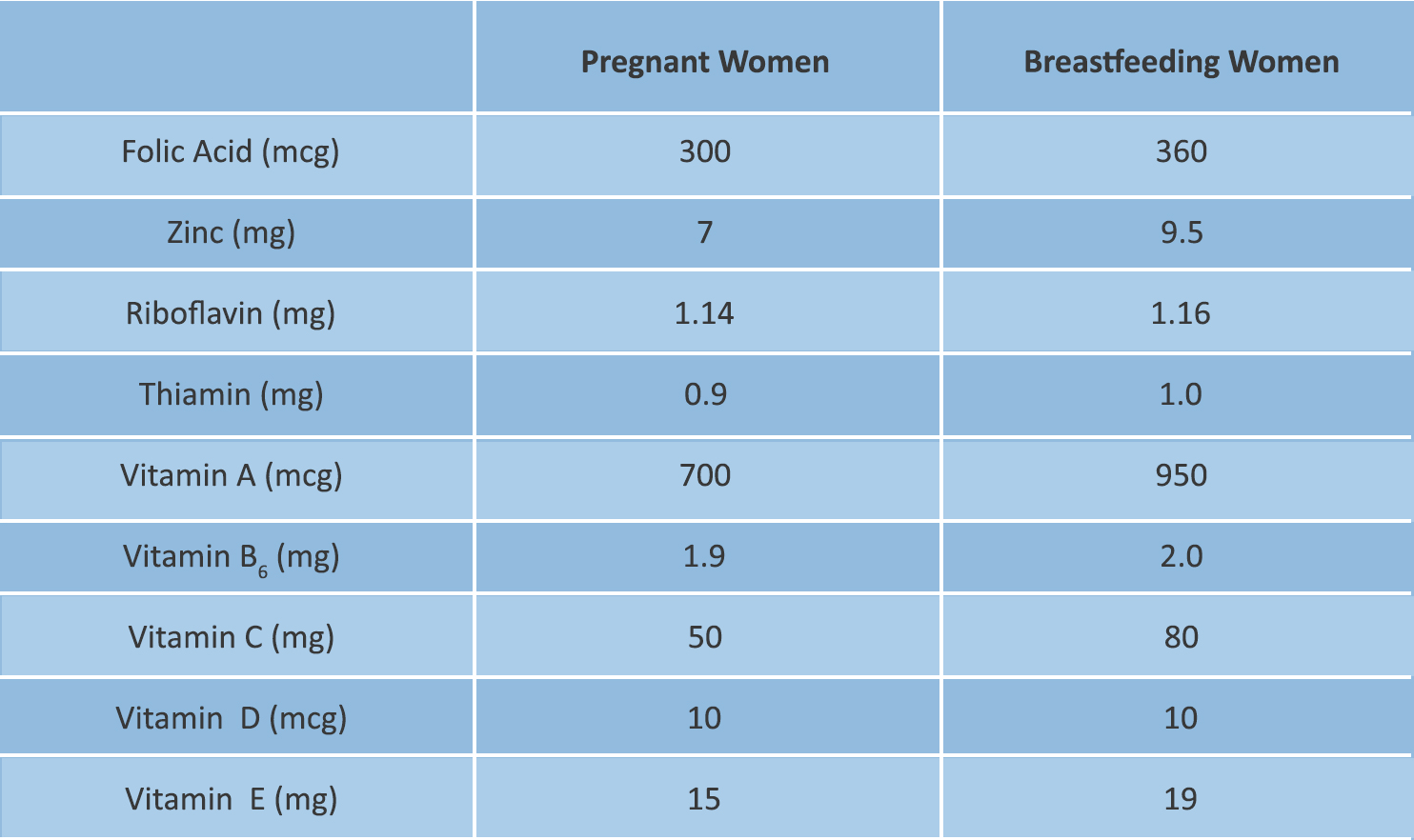
1️⃣ High-Dose Vitamin A (Retinol Form)
This is one of the most important supplements to avoid when trying to conceive.
Why:
Retinol (preformed vitamin A) is linked to birth defects
High doses may affect early embryo development
⚠️ Beta-carotene (plant-based vitamin A) is safer, but retinol supplements should be avoided entirely during TTC.
2️⃣ Herbal Fertility Blends with Proprietary Formulas
Many “fertility boosters” hide ingredient dosages.
Why this is risky:
You don’t know what or how much you’re taking
Some herbs affect hormones or uterine contractions
Interactions are poorly studied
If a label doesn’t show exact amounts, skip it.
3️⃣ Dong Quai
Often marketed for “female balance,” but not TTC-friendly.
Why avoid:
May stimulate uterine contractions
Can interfere with implantation
Blood-thinning properties may increase spotting
Dong quai is not recommended during TTC or early pregnancy.
4️⃣ Black Cohosh
Sometimes used for cycle regulation—but risky.
Why:
Can affect estrogen receptors
Linked to liver toxicity in some cases
Safety during conception is unclear
Not worth the risk while TTC.
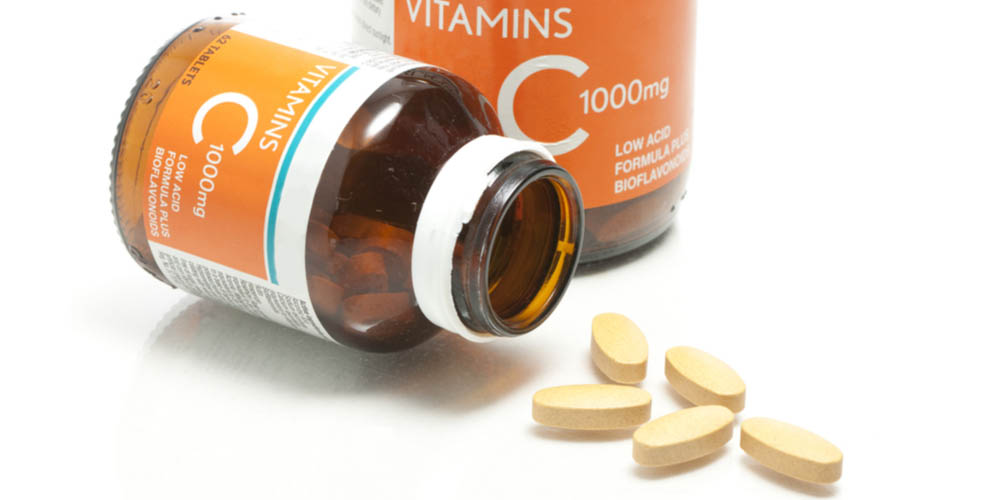
5️⃣ Excessive Antioxidant Supplements
Antioxidants are helpful—but too much can backfire.
High-dose combinations of:
vitamin C
vitamin E
selenium
may interfere with normal cellular signaling needed for ovulation and implantation.
Balance matters more than megadoses.
6️⃣ Weight-Loss Supplements or “Fat Burners”
These are a hard no during TTC.
Why:
Often contain stimulants
Can suppress appetite excessively
Disrupt hormone signaling
Increase stress hormones (cortisol)
Even “natural” weight-loss supplements can negatively impact fertility.
7️⃣ Adaptogenic Herbs (Ashwagandha, Rhodiola) — Use With Caution
Adaptogens are popular—but not always TTC-safe.
Why to be cautious:
May affect cortisol and thyroid hormones
Limited data on implantation safety
Effects vary by individual
Some providers allow them short-term, others advise avoiding them entirely during TTC.
8️⃣ St. John’s Wort
Often used for mood—but problematic when TTC.
Why avoid:
Interferes with hormone metabolism
Can reduce effectiveness of medications
Linked to cycle disruption in some women
Better mood support options exist during TTC.
9️⃣ Excessive Caffeine Supplements
Caffeine pills, energy boosters, and pre-workouts are risky.
Why:
High caffeine intake is linked to delayed conception
Can affect blood flow to reproductive organs
Increases stress response
Moderate caffeine from coffee or tea is usually fine—but avoid concentrated forms.
🔟 Unregulated Hormone-Boosting Supplements
Supplements claiming to:
“boost estrogen”
“increase progesterone”
“balance hormones fast”
are red flags.
Hormones are not something to self-manage with supplements. These products can:
suppress natural hormone production
disrupt ovulation
cause irregular cycles
1️⃣1️⃣ Excessive Iron (Without Deficiency)
Iron is important—but more is not better.
Why avoid unnecessary iron:
Can increase oxidative stress
May worsen insulin resistance
Linked to ovulation issues when overloaded
Always test iron levels before supplementing.
1️⃣2️⃣ CBD or Cannabis-Based Supplements
CBD is often marketed as calming—but TTC safety is unclear.
Concerns include:
Possible ovulation disruption
Hormonal effects not fully understood
Lack of long-term TTC data
Best avoided until pregnancy is established or discussed with a provider.
⚠️ “Natural” Does NOT Mean “Safe”
This is one of the biggest TTC myths.
Many herbs:
act like hormones
affect blood flow
influence uterine activity
Always ask:
Is this studied in women trying to conceive?
If the answer is unclear—skip it.
✅ What to Focus on Instead
Instead of risky supplements, prioritize:
Prenatal vitamin with folate (not retinol)
Vitamin D (if deficient)
Omega-3 (DHA + EPA)
Myo-inositol (if cycles are irregular)
CoQ10 (especially over 30)
📌 Related reads:
👉 [TTC Vitamins: What Actually Works?]
👉 [Vitamins to Help Conceive: 11 Key Nutrients That Support Fertility]
👉 [Best Fertility Supplements for Women]
🧪 When to Talk to a Healthcare Provider
Always consult a professional if:
You’re taking prescription medications
You have PCOS, thyroid conditions, or endometriosis
You’ve been TTC for 6–12 months
You’re considering herbal supplements
Personalized guidance beats generic advice.
🧠 Final Thoughts
Knowing the supplements to avoid when trying to conceive protects your fertility just as much as taking the right ones.
Remember:
Fertility thrives in balance — not extremes.
More supplements don’t mean better results.
Smarter choices, patience, and consistency do.
Support your body gently, avoid unnecessary risks, and let your reproductive system do what it’s designed to do.
What is your reaction to this article?

Here is a professional English bio for Dr. Elizabeth Williams, Obstetrician-Gynecologist: Dr. Elizabeth Williams, MD, FACOG, is a board-certified obstetrician-gynecologist with over 15 years of experience providing compassionate, evidence-based women’s healthcare. She earned her medical degree from Johns Hopkins University School of Medicine and completed her residency in Obstetrics and Gynecology at Massachusetts General Hospital, Harvard Medical School, where she served as Chief Resident. Dr. Williams specializes in high-risk pregnancies, minimally invasive gynecologic surgery, adolescent gynecology, and menopause management. Known for her warm bedside manner and clear communication, she is dedicated to empowering her patients through every stage of life, from prenatal care and childbirth to preventive wellness and complex gynecologic conditions. In addition to her clinical practice, Dr. Williams is actively involved in medical education and has published research on preeclampsia, labor induction, and robotic-assisted surgery. She is a Fellow of the American College of Obstetricians and Gynecologists (FACOG) and a member of the Society for Maternal-Fetal Medicine. Patients describe Dr. Williams as “attentive, knowledgeable, and truly caring,” and she is proud to deliver hundreds of babies each year while building long-term relationships with the families she serves. Dr. Williams practices in [City/State] and is affiliated with [Hospital Name]. She welcomes new patients and offers both in-person and telemedicine appointments.
VIEW AUTHOR PROFILE