
- 1. 🌱 Why Men’s Fertility Supplements Matter
- 2. 🧠 How We Define “Works” for TTC Supplements for Men
- 3. 🧬 Top TTC Supplements for Men (Evidence-Based Picks)
- 3.1. 1️⃣ Zinc — Sperm Production & Testosterone Support
- 3.2. 2️⃣ Coenzyme Q10 (CoQ10) — Mitochondrial Power for Sperm
- 3.3. 3️⃣ Omega-3 Fatty Acids — Sperm Membrane & Motility
- 3.4. 4️⃣ L-Carnitine — Sperm Energy & Movement
- 3.5. 5️⃣ Selenium — Antioxidant Protection
- 3.6. 6️⃣ Vitamin D3 — Hormone Optimization
- 3.7. 7️⃣ Vitamin C — Antioxidant & Sperm Protection
- 3.8. 8️⃣ Folic Acid (Folate) — DNA Synthesis & Cellular Health
- 3.9. 9️⃣ Lycopene — Tomato Power for Sperm
- 3.10. 🔟 L-Arginine — Nitric Oxide & Blood Flow
- 4. 🧠 Supplements With Limited or No Strong Evidence
- 5. 📊 How to Choose TTC Supplements for Men
- 6. 🧪 When to Get Labs and Medical Input
- 7. 🍽️ Food First: Nutrients From Diet
- 8. 🧠 Lifestyle Factors That Support Male Fertility
- 9. 📌 Related Articles (Internal Linking)
- 10. 🧠 Final Thoughts
TTC Supplements For Men What Works What Science Says Fertiease
When couples are trying to conceive (TTC), a lot of focus naturally goes to women’s health — but male fertility plays an equally critical role. Around 40–50% of fertility challenges involve male factors, particularly sperm quality, motility, and morphology.
While supplements aren’t magic, some key nutrients do have research supporting their beneficial roles in male reproductive health.
This guide breaks down the best TTC supplements for men, what they do, how they work, and how to choose them wisely — so you and your partner can optimize your fertility together.

🌱 Why Men’s Fertility Supplements Matter
Male fertility isn’t just about sperm count — it’s about:
Sperm quality
Motility (movement)
Morphology (shape)
DNA integrity
Hormone balance
Antioxidant protection
Poor diet, stress, age, smoking, environmental toxins, and micronutrient deficiencies can all impair sperm health. Targeted supplements can help fill nutritional gaps and support key biological processes involved in sperm formation and reproductive health.
🧠 How We Define “Works” for TTC Supplements for Men
For this article, works means:
✔ Human clinical evidence or scientific studies
✔ Biological relevance to sperm formation and reproductive function
✔ Safe to use in men trying to conceive
✔ Commonly recommended by healthcare professionals
🧬 Top TTC Supplements for Men (Evidence-Based Picks)


1️⃣ Zinc — Sperm Production & Testosterone Support
Why it works:
Zinc plays a central role in:
spermatogenesis (sperm production)
testosterone metabolism
antioxidant defense
Benefits:
✔ Supports sperm count and quality
✔ May improve testosterone levels
✔ Helps reduce oxidative stress
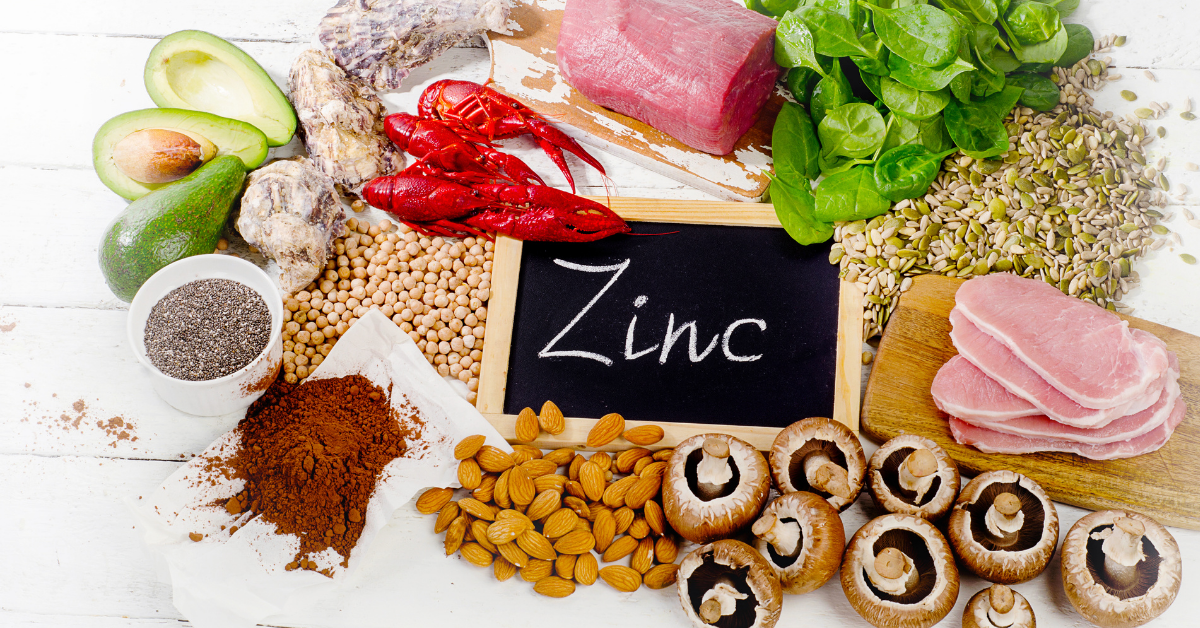
Sources: oysters, pumpkin seeds, beef, zinc supplements
Low zinc levels are common and often overlooked in male fertility.
2️⃣ Coenzyme Q10 (CoQ10) — Mitochondrial Power for Sperm
Why it works:
CoQ10 is central to cellular energy production — and sperm need a lot of energy to swim.
Benefits:
✔ Improves sperm motility
✔ Supports sperm concentration
✔ Acts as a potent antioxidant
Tip: Ubiquinol form may be more effective (especially in older men).
3️⃣ Omega-3 Fatty Acids — Sperm Membrane & Motility
Why it works:
Omega-3s (DHA + EPA) support cell membrane integrity and reduce inflammation — two key factors in sperm health.
Benefits:
✔ Enhances sperm motility
✔ Supports sperm morphology
✔ Balances hormones and circulation
✔ Helps reduce oxidative stress
Food sources include fatty fish (salmon, sardines) or high-quality fish oil.
4️⃣ L-Carnitine — Sperm Energy & Movement
Why it works:
L-Carnitine plays a crucial role in transporting fatty acids into mitochondria — the energy factories of cells.
Benefits:
✔ Enhances sperm motility and function
✔ Supports mitochondrial energy production in sperm
✔ Often used in clinical male fertility protocols
5️⃣ Selenium — Antioxidant Protection
Why it works:
Selenium acts as an antioxidant and supports thyroid function, which is important for hormonal balance.
Benefits:
✔ May support sperm motility and quality
✔ Synergistic with Vitamin E and antioxidant systems
Selenium is best when balanced — excessive amounts can be harmful.
6️⃣ Vitamin D3 — Hormone Optimization
Why it works:
Vitamin D acts like a hormone and plays a role in:
testosterone balance
immune function
overall reproductive health
Benefits:
✔ May support testosterone levels
✔ Linked to improved semen quality in some studies
Because deficiency is common, testing and supplementation can be beneficial if levels are low.
7️⃣ Vitamin C — Antioxidant & Sperm Protection
Why it works:
Vitamin C helps protect sperm DNA against oxidative damage.
Benefits:
✔ Supports sperm quality
✔ Reduces DNA fragmentation
✔ Works with Vitamin E synergistically
Found in citrus fruits, berries, peppers, and supplements.
8️⃣ Folic Acid (Folate) — DNA Synthesis & Cellular Health
Why it works:
Folate is involved in DNA synthesis and repair — important for sperm quality and genetic stability.
Benefits:
✔ Supports sperm count and health
✔ Often paired with zinc or other B vitamins
Low folate status has been linked to reduced sperm quality in some studies.
9️⃣ Lycopene — Tomato Power for Sperm
Why it works:
Lycopene is a potent antioxidant found in tomatoes and watermelon.
Benefits:
✔ Supports sperm morphology
✔ Helps protect against oxidative stress
Some clinical studies show improved semen parameters with lycopene supplementation.
🔟 L-Arginine — Nitric Oxide & Blood Flow
Why it works:
L-Arginine supports nitric oxide production, enhancing blood flow — important for erection health and may support sperm delivery.
Benefits:
✔ Supports blood flow and circulation
✔ Used in male reproductive protocols
🧠 Supplements With Limited or No Strong Evidence
While many products claim fertility benefits, these have weak or inconsistent evidence:
❌ Tribulus terrestris — limited data, may affect hormones unpredictably
❌ Maca root (only small studies, mixed results)
❌ Proprietary “male fertility blends” with unclear dosages
❌ High-dose testosterone boosters — can harm natural hormone balance
More isn’t always better — especially with proprietary blends that hide ingredient amounts.
📊 How to Choose TTC Supplements for Men
When selecting supplements:
✔ Look for third-party testing (purity & quality)
✔ Check exact dosages (not “proprietary blends”)
✔ Avoid “hormone boosters” without clinical backing
✔ Prefer forms with research (e.g., CoQ10, L-Carnitine at clinical doses)
✔ Start 3–6 months before TTC to support sperm development (spermatogenesis takes ~74 days)
🧪 When to Get Labs and Medical Input
Bloodwork can help personalize supplement choices. Consider testing for:
Vitamin D levels
Zinc / selenium status
Testosterone levels
Thyroid panel
Oxidative stress markers (in fertility clinics)
Personalized care beats guesswork.
🍽️ Food First: Nutrients From Diet
Supplements help — but food matters too.
Top foods that support male fertility:
Oysters, beef, pumpkin seeds (zinc)
Fatty fish (omega-3)
Eggs (choline, B vitamins)
Citrus fruits & berries (vitamin C)
Tomatoes (lycopene)
Nuts & seeds
Leafy greens (folate)
Balanced nutrition + targeted supplements = best synergy.
🧠 Lifestyle Factors That Support Male Fertility
Supplements alone aren’t enough. Focus on:
✨ Healthy sleep
✨ Stress management
✨ Regular movement
✨ Avoiding smoking & excessive alcohol
✨ Maintaining a moderate weight
✨ Reducing heat exposure (tight underwear / hot tubs)
Lifestyle + supplements deliver the best results.
📌 Related Articles (Internal Linking)
👉 [TTC Vitamins: What Actually Works?]
👉 [Best Fertility Supplements for Women]
👉 [Foods That Support Fertility Naturally]
👉 [Supplements to Avoid When Trying to Conceive]
🧠 Final Thoughts
Male fertility plays a huge role in TTC success — and targeted supplements can support sperm quality, hormones, and reproductive health.
But remember:
Supplements support the body — they don’t guarantee pregnancy.
Pair with nutrition, lifestyle improvements, and medical guidance — that’s the power combo.
If both partners optimize health, you multiply your chance of a healthy conception and pregnancy.
What is your reaction to this article?

Penelope Smith is a certified fertility wellness coach and passionate advocate for natural conception with over 8 years of experience guiding couples on their TTC journeys. Drawing from her background in holistic nutrition and reproductive health counseling, she empowers women and men through evidence-based strategies, compassionate support, and practical lifestyle insights. A mother of two conceived naturally after her own fertility challenges, Penelope blends science, empathy, and real-world results in her writing. Her articles have helped thousands optimize ovulation, balance hormones, and embrace the emotional side of trying to conceive. Connect with her at hello@fertiease.com
VIEW AUTHOR PROFILE