
Estrogen is one of the most important hormones in a woman’s body—yet many women don’t fully understand what it actually does. From regulating the menstrual cycle to supporting bone strength, skin health, mood, and fertility, estrogen plays a crucial role at every stage of life. When estrogen levels shift too high or too low, the effects can be felt physically, mentally, and emotionally.
This guide breaks down what estrogen is, how it changes over time, and the signs that your levels may be out of balance, based on scientific insight from trusted medical organizations such as the National Institutes of Health (NIH) and the American College of Obstetricians and Gynecologists (ACOG).
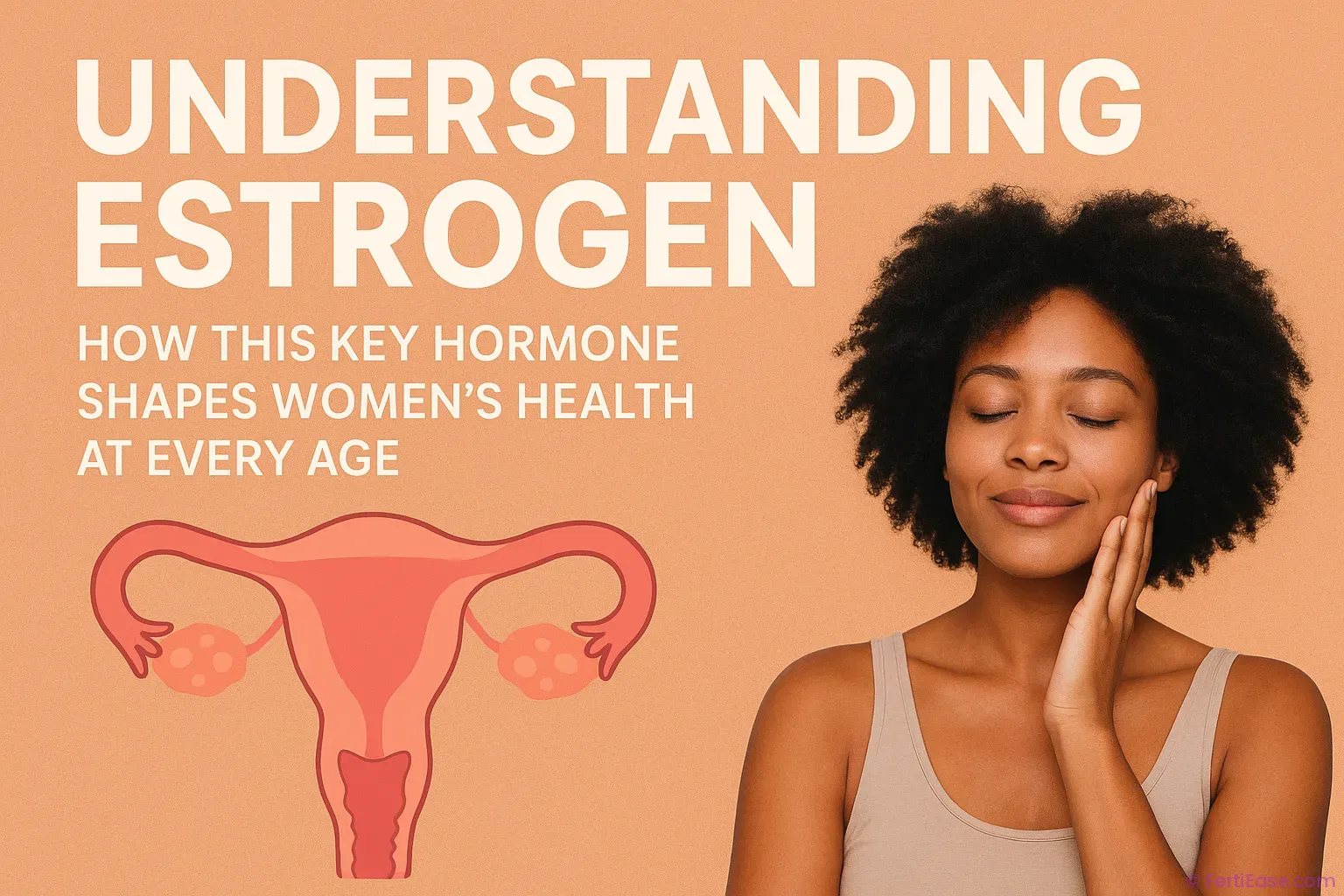
What Is Estrogen and What Does It Do?
Estrogen is a group of hormones—including estradiol, estriol, and estrone—that regulate a wide range of functions. While it’s known primarily for governing the menstrual cycle and reproductive system, its influence extends far beyond fertility.
According to the NIH Office of Research on Women’s Health, estrogen plays a vital role in:
Supporting ovulation and the menstrual cycle
Maintaining bone density
Regulating mood and emotional well-being
Supporting skin elasticity and hydration
Protecting heart and blood vessel health
Influencing metabolism and fat distribution
Simply put, estrogen is essential for a woman’s overall health—not just reproduction.
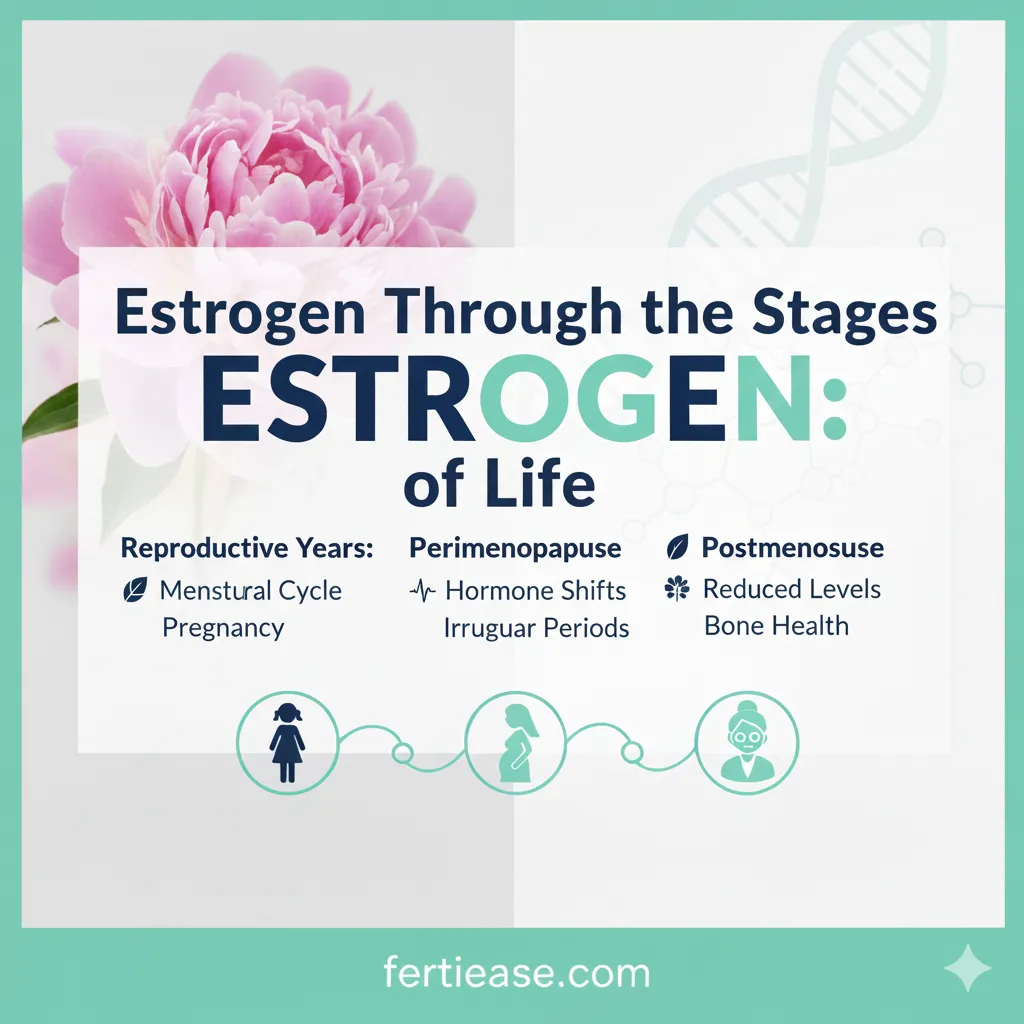
Estrogen Through the Stages of Life
1. Puberty
During adolescence, estrogen levels rise rapidly, leading to:
breast development
growth spurts
the start of menstrual cycles
This surge of estrogen also contributes to emotional regulation and brain development.
2. Reproductive Years
During adulthood, estrogen follows a monthly pattern—rising before ovulation and falling after. Healthy levels support:
fertility
vaginal lubrication
stable moods
regular cycles
Disruptions in this pattern may signal hormonal imbalance.
3. Pregnancy
Estrogen reaches its highest levels during pregnancy. According to ACOG, this hormone helps form the placenta, supports fetal organ development, and prepares the body for breastfeeding.
4. Perimenopause
Starting as early as age 35–40, estrogen begins fluctuating, leading to symptoms such as:
irregular cycles
mood swings
hot flashes
sleep disturbances
This transitional phase can last several years.
5. Menopause
Once a woman goes 12 months without a period, menopause begins. Estrogen significantly declines, which can affect bone health, heart function, and vaginal comfort.
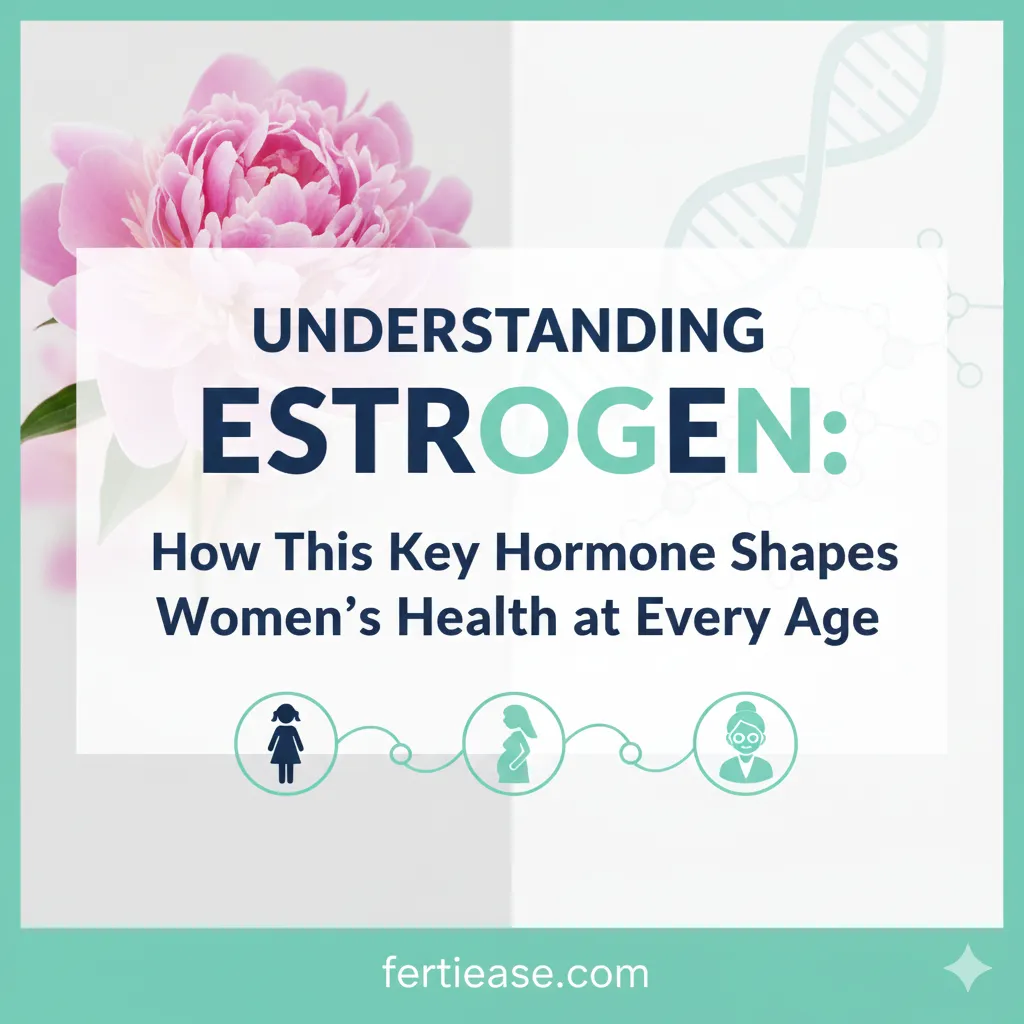
Signs of Low Estrogen
Low estrogen can appear at any age—not just menopause. Some women experience it due to stress, intense exercise, thyroid issues, or medical conditions.
Common symptoms include:
irregular or absent periods
vaginal dryness
low libido
mood changes or irritability
sleep problems
hot flashes
decreased bone density
ACOG notes that persistent low estrogen should be evaluated by a healthcare professional, especially if menstrual cycles stop unexpectedly.
Signs of High Estrogen (Estrogen Dominance)
High estrogen can occur when the body produces too much—or when progesterone is too low.
Symptoms can include:
heavy or painful periods
bloating
breast tenderness
mood swings
weight gain
fatigue
High estrogen is often manageable with lifestyle changes, though medical evaluation may be needed when symptoms persist.
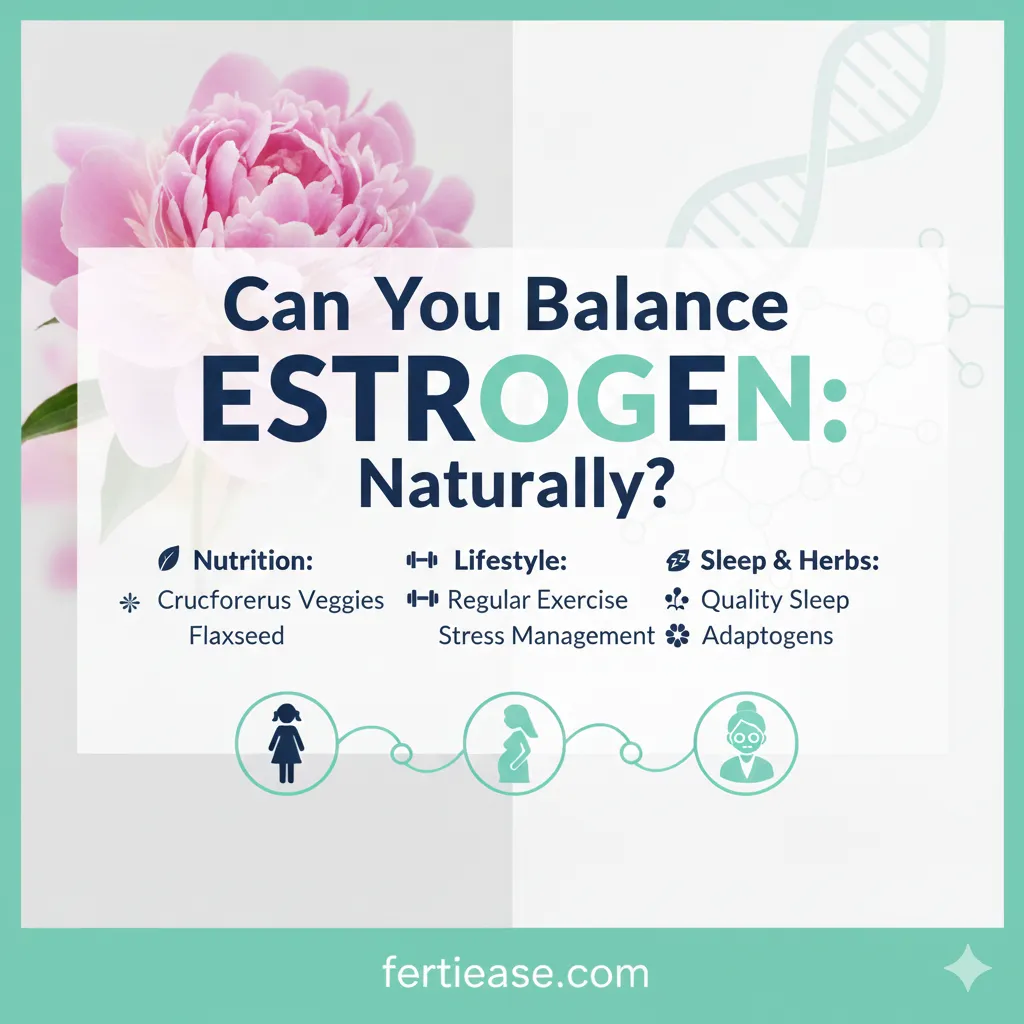
Can You Balance Estrogen Naturally?
While hormone levels are influenced by genetics and age, lifestyle plays a significant role. Research referenced by NIH suggests that:
regular exercise
a balanced diet
stress reduction
adequate sleep
maintaining a healthy weight
can all support hormonal balance.
For severe symptoms, medical evaluation is essential.
Bottom Line
Estrogen affects far more than the menstrual cycle—it shapes physical, mental, and emotional health across a woman’s entire life. Understanding your estrogen levels is key to recognizing changes in mood, fertility, metabolism, and overall wellness. If symptoms of imbalance appear, a healthcare provider can help guide testing and treatment options.
What is your reaction to this article?

Hi, I’m Mary! I’m a women’s health educator, certified Fertility Awareness Method (FAM) instructor, and a total cycle nerd who’s been charting my own cycles for over a decade. After ditching hormonal birth control in my mid-20s and realizing how little I actually knew about my body, I dove head-first into the science of natural fertility tracking. What started as a personal experiment turned into a full-on passion: helping women reclaim their cycles, conceive confidently, or avoid pregnancy without side effects. When I’m not geeking out over cervical mucus patterns or BBT charts, you’ll find me sipping herbal tea, tending my (slightly chaotic) houseplant jungle, or walking my rescue dog with a podcast in my ears. I believe knowledge is power, and understanding your cycle is one of the kindest things you can do for yourself. Thanks for being here — let’s decode your body together! 🌿
VIEW AUTHOR PROFILE